















India likely to see sharp rise in cancer cases by 2030, doctors warn
text_fields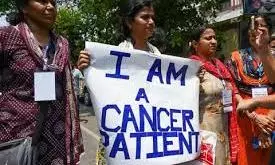

India is expected to witness a significant rise in cancer cases by 2030, with doctors across the country already reporting a steady increase in patients seeking care.
Medical experts say the growing burden is the result of a combination of demographic changes, lifestyle shifts, environmental factors, and gaps in early detection.
One of the primary drivers is an ageing population. As life expectancy improves, more people are reaching ages at which cancer risk increases naturally. Doctors note that even if individual risk remains unchanged, a larger elderly population leads to higher overall case numbers.
Rapid urbanisation and lifestyle changes are also contributing. Increased consumption of processed foods, reduced physical activity, rising obesity, and continued use of tobacco and alcohol are linked to cancers such as breast, colorectal, and oral cancer. Clinicians are increasingly seeing these cancers in younger patients.
Environmental and occupational exposures are emerging concerns. Long-term exposure to air pollution, contaminated water, and industrial chemicals is associated with lung and head and neck cancers, including among non-smokers.
Infections remain a major cause of cancer in India. Conditions linked to human papillomavirus and hepatitis B and C continue to drive cervical and liver cancer cases, despite the availability of vaccines and effective treatments.
Late diagnosis further worsens outcomes, particularly in non-urban areas where access to screening is limited. At the same time, improved diagnostic tools and awareness are identifying cases that previously went undetected.
Experts stress that prevention, early screening, and wider use of technology such as artificial intelligence will be crucial in reducing the impact of cancer in the coming years.