













It is nothing but oil robbery
text_fields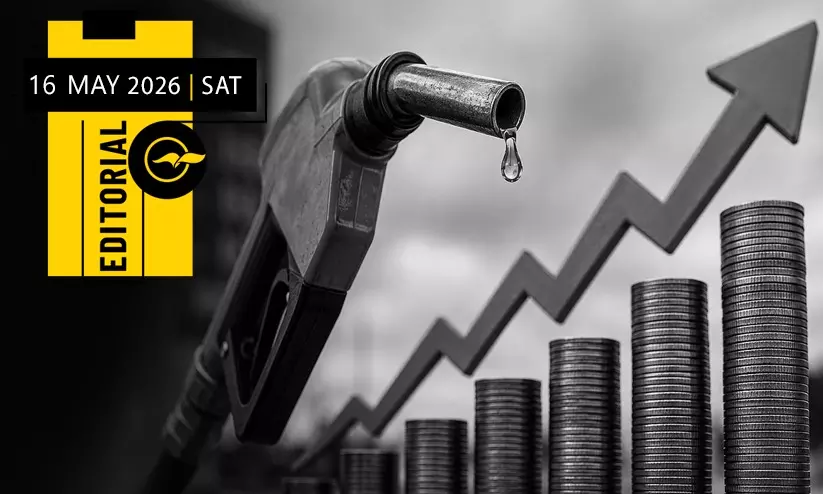

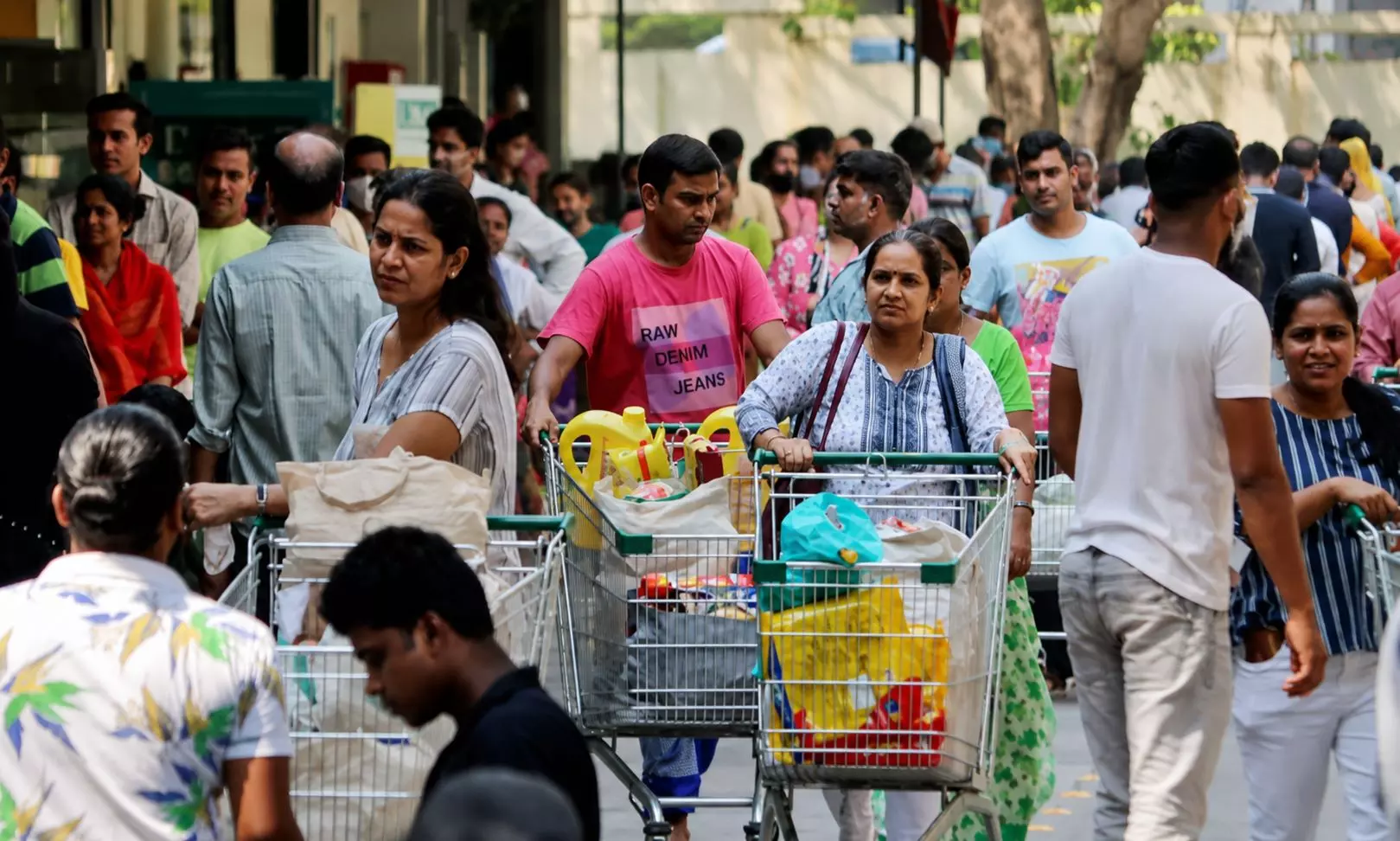
When Prime Minister Narendra Modi’s ‘advice’ to reduce fuel consumption and avoid travel in order to cut the cost of living was issued, many observed that it signalled an impending hike in fuel prices. As expected, the central government increased fuel prices after the completion of the election process in all five states, including Kerala. While petrol and diesel prices were raised by Rs 3 per litre, CNG prices were increased by Rs 2 per kilogram. From now on, consumers in Kerala will have to pay Rs 109 per litre for petrol and Rs 97 per litre for diesel. This is the biggest fuel price increase in four years. A few days ago, the price of commercial LPG cylinders was sharply increased, and the latest move is a continuation of those measures. As soon as the Union Petroleum Ministry made the announcement, the opposition came out in protest. The opposition described the anti-people action, taken immediately after the election results, as a betrayal. Parties, including the Left, have announced nationwide and intensified protest programmes in the coming days. One thing is certain: this move will slow down a market already facing economic uncertainty for various reasons and trigger further price rises; ultimately, it will push the common people of the country closer to hunger.
The central government is now citing the increase in global oil prices following the West Asian conflict as the reason for the fuel price hike. The government’s justification is that it had held back as much as possible by reducing excise duty in order to prevent the impact of the global price rise from directly affecting the people, and was therefore compelled to increase prices as there was no alternative.
The world has been in a state of oil crisis ever since the US and Israel launched airstrikes on Iran on February 28 under the name ‘Operation Epic Fury’. In response to the joint military attack, Iran adopted a counter-strategy of closing the Strait of Hormuz, which it controls. One-fifth of the world’s oil shipments pass through Hormuz; if it were to be blocked, there is no doubt that fuel availability would decline globally. In addition, the crisis deepened when Gulf countries halted oil production following Iran’s counter-attack, pushing the price of crude oil from $77 per barrel to $120. At that point, most countries around the world were increasing fuel prices. It is true that India, which imports 86 per cent of its oil, did not increase fuel prices at that time. Instead, the government attempted to compensate oil companies for the losses they were incurring due to the global price rise by reducing excise duty on petrol and diesel by up to Rs 10. That was on March 28. At that time, oil prices had crossed $110 per barrel. Later, following the Iran-US talks and the ceasefire announced on April 8, the situation in West Asia began to calm down. Although Gulf countries partially resumed oil production, oil shipping traffic could not be fully restored because of continuing uncertainty in Hormuz. However, oil prices fell below $100 and are now below $105. Given that oil prices are likely to return to previous levels once Iran and the US reach a peace agreement in the region, it is reasonable to conclude that the central government has now increased fuel prices entirely in line with the interests of oil companies.
The country’s oil companies have been committing large-scale theft for the past decade and a half with the government’s connivance. In 2011, the second UPA government handed over control of fuel pricing to oil companies, marking the beginning of the crisis in the country’s fuel pricing regime. The Manmohan Singh government had explained that fluctuations in the global market would be reflected in domestic prices. In other words, when prices rise in the global market, prices here would rise, and when they fall, prices here would fall as well. However, when oil prices fell, the common people of this country received no benefit. Instead, the government attempted to assist corporates by increasing excise duty on fuel and maintaining prices at that level. Oil prices declined in the global market during the first six years of the Narendra Modi government; during this period, the central government increased excise duty ten times. To understand the scale of this oil ‘theft’, one figure alone is enough: in 2013, when crude oil was priced at $124 per barrel, petrol in India cost less than Rs 75 per litre. Now, when crude oil stands at $105, the price of petrol is hovering around Rs 109. Even after accounting for the natural increase in taxes and the rupee-dollar exchange rate difference, if this ‘theft’ were excluded, the price of petrol would be less than Rs 80. It is only when we realise that it has reached Rs 109 that the extent of this fuel ‘theft’ becomes clear. The answer to why prices did not rise in India when other countries increased theirs is also hidden in these figures. In 2021, when there was widespread protest across the country citing such figures, the government was forced to reduce excise duty on petrol and diesel by Rs 10 and Rs 5 respectively. That move, too, was made in anticipation of elections in several states. Even after oil prices crossed $100 in the wake of the Russian invasion of Ukraine, the government remained unwilling to increase prices. It is therefore clear that the factor controlling fuel prices is not volatility in the global oil market; rather, it is the nexus between the government and corporates. There is no way to overcome it except through protest.