














FSI refutes media reports on Aravalli protection, says no study found 90% of hills at risk
text_fields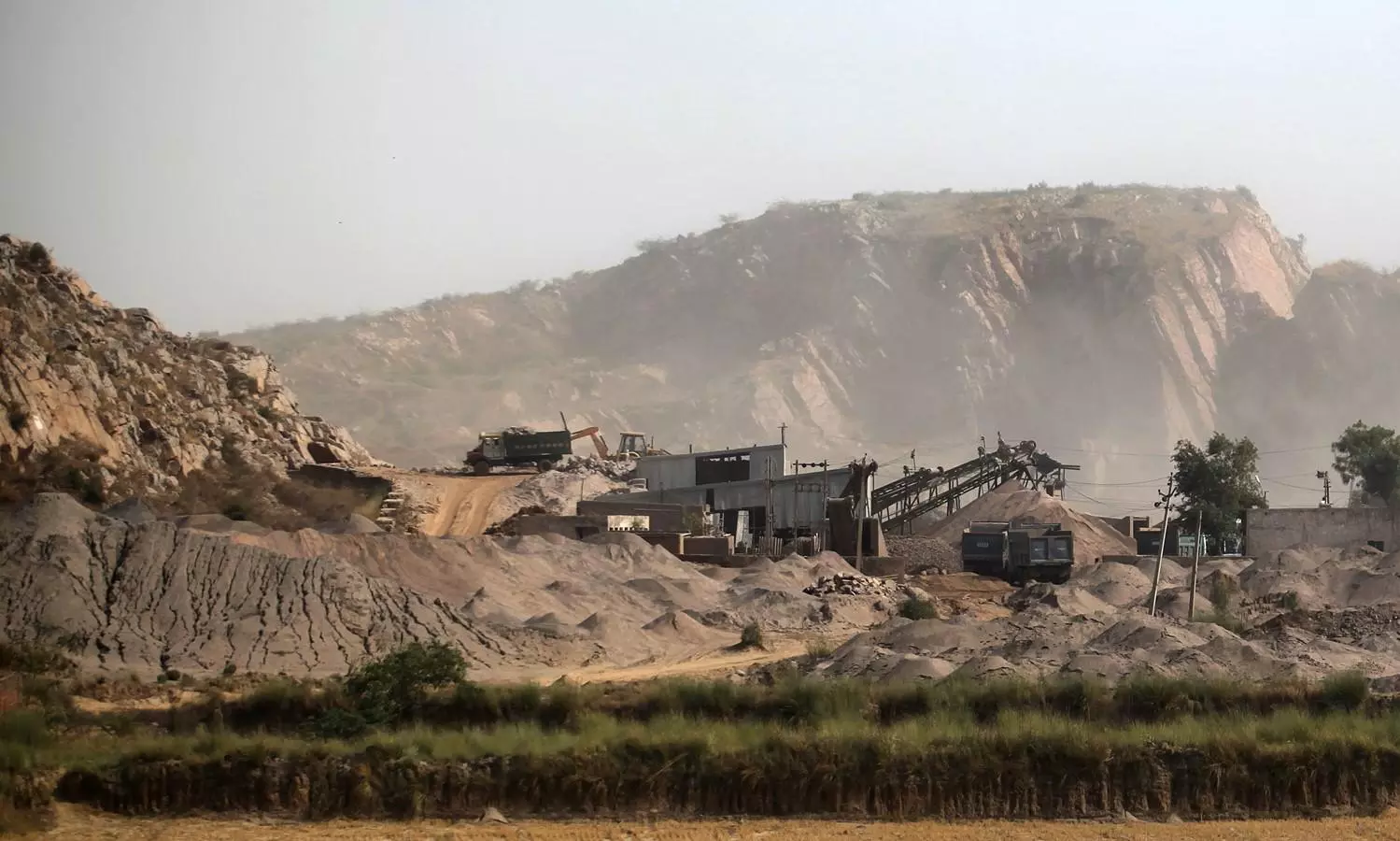

The Forest Survey of India (FSI) on Tuesday said it had not conducted any study claiming that 90% of the Aravalli hills would be left unprotected following a recent Supreme Court judgment, while firmly rejecting media reports that attributed such findings to the organisation.
In a clarification issued through posts on X, the FSI stated that it had neither assessed the post-judgment protection status of the Aravallis nor concluded that only 9% of the hill range lay above the 100-metre threshold, which has become central to the current debate on protection norms.
The statement came amid widespread discussion triggered by reports linking the Supreme Court’s November 20, 2025, judgment to a potential dilution of safeguards for large parts of the ancient hill system.
An Indian Express report published on November 27 had cited internal FSI documents indicating that only 1,048 of the 12,081 Aravalli hill features in Rajasthan that are 20 metres or higher exceed 100 metres in height, suggesting that barely 8.7% of the range in the state would qualify for protection under that definition, even as Rajasthan accounts for the largest share of the Aravallis across India.
The report had also referred to concerns within the Union Environment Ministry that such a cut-off could leave lower hill formations vulnerable, thereby increasing the risk of desertification, dust movement from the Thar Desert and adverse impacts on agriculture and public health in the Indo-Gangetic plains, including Delhi-NCR.
Long-standing environmental damage to the Aravallis has been documented earlier, as a report submitted by the Central Empowered Committee to the Supreme Court noted that mining activities had led to the disappearance of 31 out of 128 hills in Rajasthan, while rapid urbanisation and extraction of minerals had severely depleted forest cover over decades.
The FSI clarification followed a statement by the Union Environment Ministry a day earlier that only 217.89 square kilometres out of the total 1.43 lakh square kilometres Aravalli region was currently open for mining, even as concerns over conservation and enforcement continue to intensify.