











Hajj in the age of consumerism
text_fields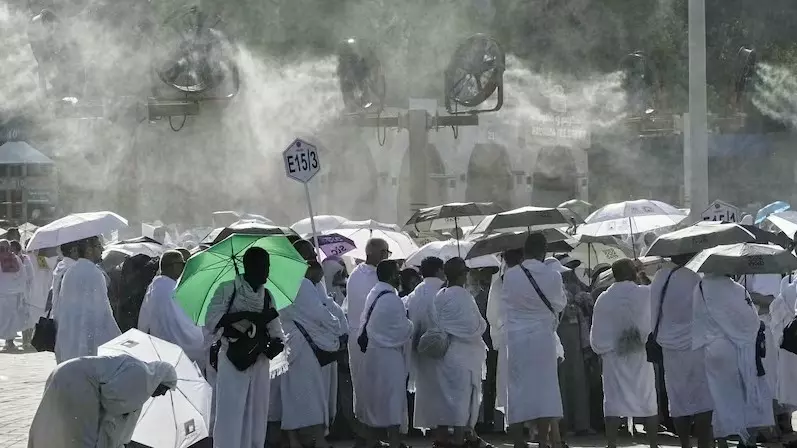
Watching the flood of Hajj videos and images on social media this year, I found myself reflecting not only on the spiritual beauty of the pilgrimage, but also on an uncomfortable reality many Muslims are hesitant to discuss openly: the growing class divide within what is supposed to be Islam’s greatest symbol of equality.
Hajj was meant to strip human beings of worldly distinctions. Rich and poor, powerful and powerless, black and white, all stand before God wearing the same simple garments. Few religious rituals in human history embody equality as powerfully as the Hajj does.
Or at least, that was the ideal.
Today, social media increasingly showcases another side of the pilgrimage: luxury hotel suites overlooking the Kaaba, VIP tents in Mina, gourmet buffets, concierge services, premium buses, and exclusive packages costing tens of thousands of dollars. Some differences in comfort are understandable, especially for elderly pilgrims or those with health challenges. But increasingly, what we are witnessing goes beyond necessity. Hajj is slowly becoming entangled with the same consumerism, branding, and status culture that dominates modern life.
I experienced this contradiction personally during my own Umrah (minor pilgrimage) a few years ago. I traveled on a Canadian tour package and stayed in the Clock Tower complex overlooking the Haram. The arrangements were comfortable and convenient. To be clear, I likely could have chosen a more modest package if I had searched harder. But that is not really the point. What struck me was the sheer contrast. Only minutes away from pilgrims struggling in crowded accommodations were others enjoying luxury suites, elaborate meals, private elevators, and breathtaking views of the Kaaba. The inequalities of the outside world seemed to have followed us into one of the few spaces meant to transcend them.
For many Muslims from places like India, Pakistan, Bangladesh, Africa, and other parts of the Global South, Hajj historically represented something profound: a temporary suspension of social hierarchy. Laborers stood beside kings. Villagers prayed beside businessmen and scholars. The pilgrimage reminded believers that human worth is not measured by wealth, passports, or status.
That is why Malcolm X’s reflections on Hajj continue to resonate so deeply. During his pilgrimage in 1964, he wrote movingly about seeing Muslims “of all colors, from blue-eyed blonds to black-skinned Africans” treating one another as equals. He spoke of sharing food, space, and worship with people whom racist societies would normally separate. Hajj transformed his understanding of race and humanity by disrupting the hierarchies of the world around him.
The Prophet Muhammad’s Farewell Sermon preached precisely this message. No Arab over non-Arab. No white over black. No superiority except through righteousness and character. The ihram garments symbolized this moral equality by stripping away visible markers of privilege and status.
Yet modern Hajj increasingly mirrors the inequalities outside it.
Social media has intensified this transformation. Pilgrimage is now often curated as a digital experience. Influencers showcase luxury accommodations, exclusive access, designer prayer wear, and premium travel experiences. What should be a deeply spiritual journey sometimes risks becoming another form of subtle status performance.
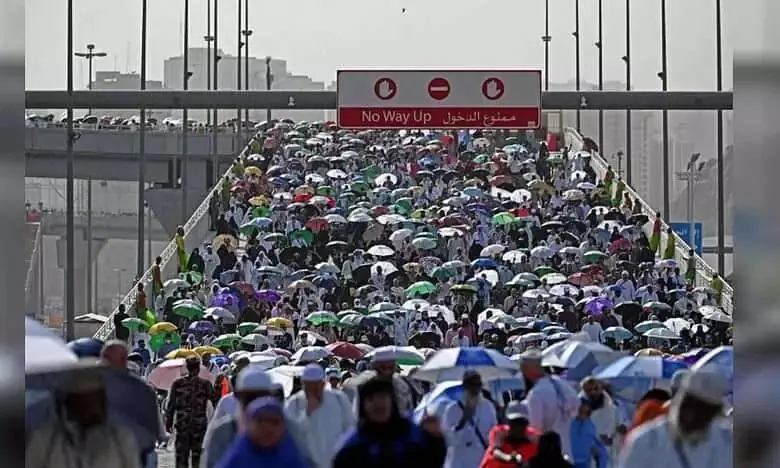
Saudi Arabia deserves credit for massively expanding and modernizing Hajj infrastructure to safely accommodate millions of pilgrims. Managing Hajj is an extraordinary logistical challenge. But there remains an important difference between facilitating pilgrimage and commercializing it. When wealth increasingly determines comfort, proximity, and exclusivity, difficult questions arise about whether the egalitarian spirit of Hajj is slowly being diluted.
This reflects a broader global reality as well. Around the world, religion itself is increasingly shaped by market logic. Spiritual experiences become products. Pilgrimage becomes industry. Faith risks becoming another arena where wealth determines access and prestige.
And yet, despite all this, the spiritual power of Hajj endures.
Beyond the luxury towers and VIP packages, millions still stand on Arafah weeping before God. Ordinary believers still spend decades saving to fulfill this sacred obligation. Pilgrims still return transformed by humility, repentance, and spiritual awakening. The sacred survives despite the forces of commercialization pressing against it.
Perhaps that is the true miracle of Hajj today: that even in an era consumed by wealth, branding, and status, the call to equality and human humility still breaks through.
But preserving that spirit requires honesty. Muslims must be willing to confront whether the inequadtlities of the modern world are slowly colonizing one of the few sacred spaces meant to rise above them.