








If pellet use was wrong, what is the punishment?
text_fields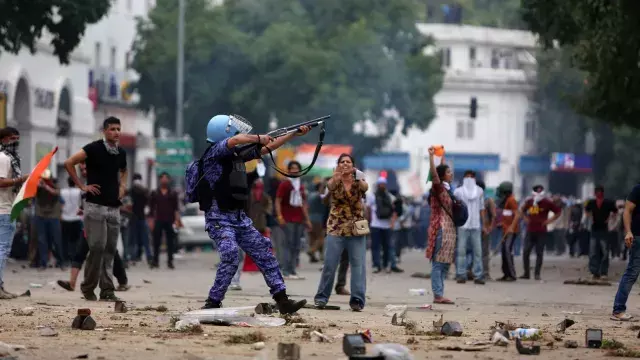

The Rapid Action Force (RAF) has found in an internal inquiry that the use of pellet guns during the police action against participants of the Cockroach Janata Party (CJP)'s Parliament march on July 20, demanding the resignation of Union Minister Dharmendra Pradhan over the question paper leak, was unjustified. Pellet guns and shock batons are among the authorised weapons of the anti-riot unit of the RAF, which functions under the Central Reserve Police Force (CRPF). The force has clear and stringent standards and guidelines governing their use. However, the inquiry found that the use of pellets against CJP protesters was a serious lapse and that there were no circumstances warranting such action. The RAF chief has informed the personnel that the police action did not comply with prescribed standards and that the force's intervention was not in accordance with its training and guidelines.
It was a Delhi University student, Sahil Lochab (19), a native of Jabalpur in Madhya Pradesh, Sheikh Irshad Mansoori (25), and a journalist with Outlook magazine who were hit by pellets fired by a Rapid Action Force personnel near Palika Bazaar in New Delhi while participating in the Parliament march. One pellet that had pierced below Irshad's eye was surgically removed, but another lodged in his neck, close to a blood vessel, will require another surgery. He has more than 30 pellet wounds on his face and other parts of his body. Sahil sustained similar injuries. When fired from a distance, pellets can penetrate the human body and lodge inside as fragments. It was against protesters during the unrest that followed the killing of militant Burhan Wani in Jammu and Kashmir in 2016 that the Army used them extensively. They were again used during the ethnic violence in Manipur in 2023. In 2024, there were also allegations that pellet guns were fired at the Shambhu border between Punjab and Haryana during the farmers' protest. However, this is the first instance of pellets being used against a civilian protest in the national capital. There are also allegations that shock batons, which deliver electric shocks, were used against the protesters.
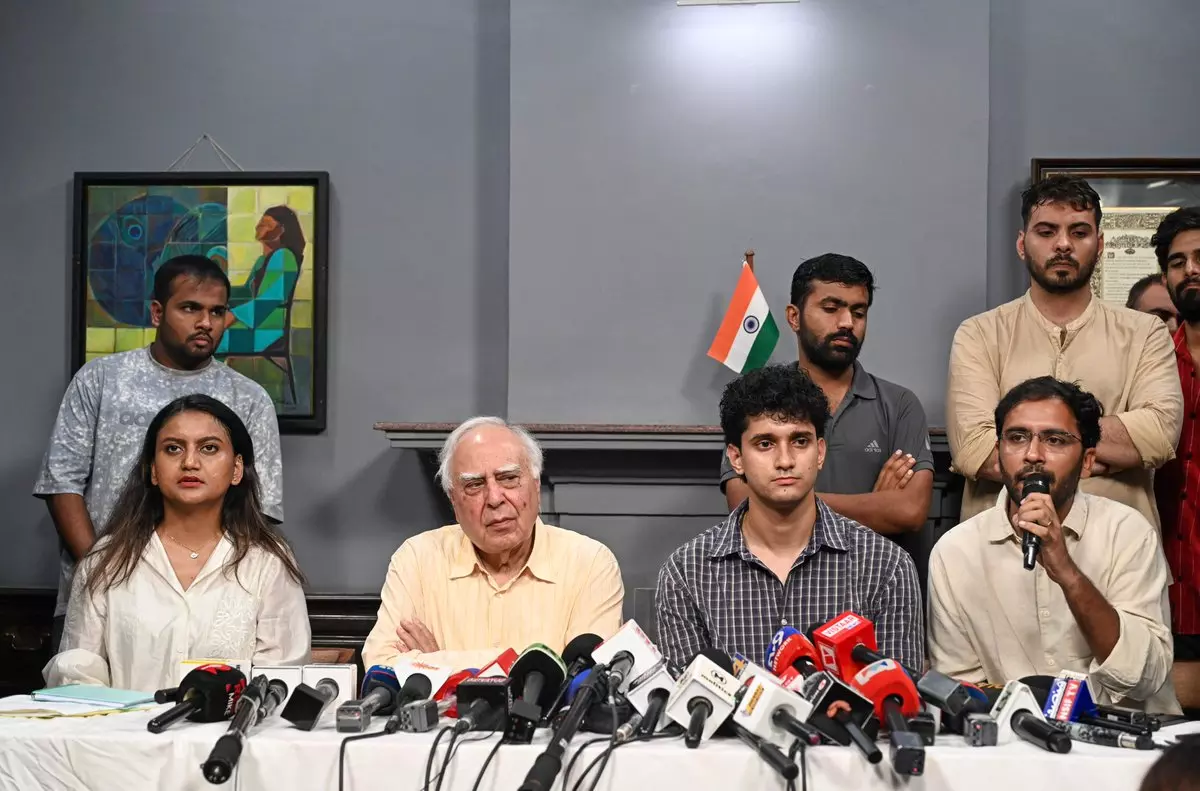
The CJP, which took to the streets under the slogan of a non-violent protest, had been careful to ensure that the agitation did not descend into a breach of peace. The protest leadership had also taken precautions to prevent infiltration, such as what had occurred during the earlier anti-Citizenship Amendment Act protests. It was against protesters who had conducted themselves with such discipline that the Delhi Police unleashed brutal violence without any provocation. The Parliament march showed how the administration and the police had shifted from their initial approach of ignoring and dismissing the CJP protest to one of crushing it through force. In doing so, however, they ended up playing a dangerous game that backfired on them. These excesses by the Delhi Police and the central forces deployed alongside them only served to strengthen the resolve of the protesters and bolster public support for the agitation. When the incident became news, the Delhi Police's official explanation was that the reports were "completely false and misleading". However, the Delhi Police's false claim was exposed after Union Health Minister J.P. Nadda visited Irshad at the hospital and photographs of his injuries were circulated on social media. In a letter to Union Home Minister Amit Shah on Saturday, July 25, Leader of the Opposition Rahul Gandhi had asked who had authorised the force to use lethal weapons such as pellet guns. The RAF's inquiry report came out shortly afterwards. According to the report, an RAF personnel fired seven rounds, five of which were directed at the protesters, while the remaining two hit the ground.
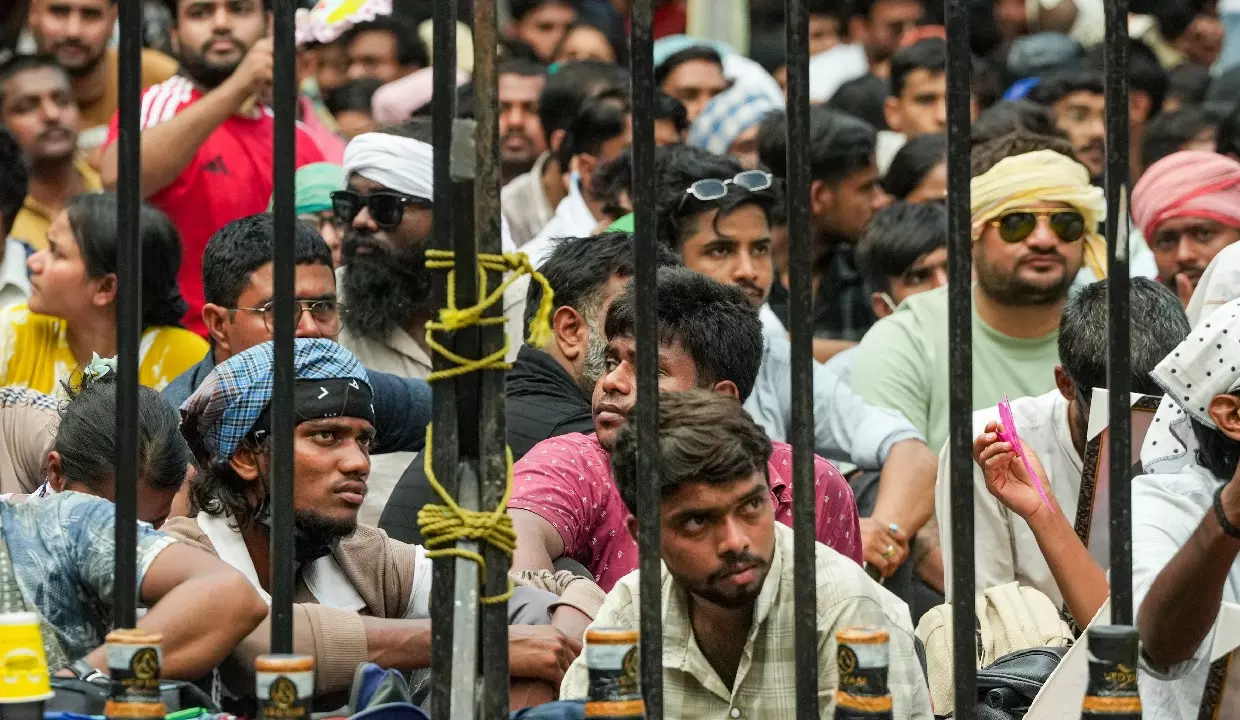
The CJP, which took to the streets with the slogan of a non-violent protest, had been vigilant to ensure that the agitation did not descend into a breach of peace. The protest leadership had also taken care to prevent infiltration, as had happened during the earlier anti-Citizenship Amendment Act (CAA) protests. It was against protesters who had proceeded with such discipline that the Delhi Police unleashed brutal violence without any provocation. The Parliament march showed that the administration and the police had shifted from their initial stance of ignoring and dismissing the CJP protest to one of suppressing it by force. That, in turn, proved to be a game that backfired on them. These excesses by the Delhi Police and the central forces deployed alongside them only served to strengthen the resolve of the protesters and steadily increase public support for the agitation. When the incident became news, the Delhi Police's official explanation was that it was "completely false and misleading." However, the Delhi Police's falsehood was exposed after Union Health Minister J.P. Nadda visited Irshad at the hospital and photographs of his injuries were circulated on social media. In a letter to Union Home Minister Amit Shah on Saturday, July 25, Leader of the Opposition Rahul Gandhi had asked who had authorised the force to use lethal weapons such as pellet guns. It was after this that the findings of the Rapid Action Force (RAF) inquiry came out. The report says that an RAF operative fired seven rounds, five of which were aimed at the protesters, while the remaining rounds hit the ground.
There are strict guidelines that the use of lethal weapons like pellets should be done only in extremely serious situations with maximum restraint. The soldier resorted to using pellets recklessly without any regard for that. Usually, it is the protesters who venture to make uncontrollable provocations. However, here it was the force that crossed the line. It is reported that amidst those in uniform, there were also many in plain clothes and other goons who took advantage of the opportunity. Thus, chaos prevailed, and in Delhi became witness to everyone in the police force and others taking the law into their own hands as they wished. Now that the police force itself has clarified that what happened was a fatal mistake and that the culprit has been identified, what we are entitled to know now is what the government will do to ensure adequate punishment for the atrocities and compensation for the victims.