











Delimitation alters Assam politics; Muslims fear underrepresentation
text_fields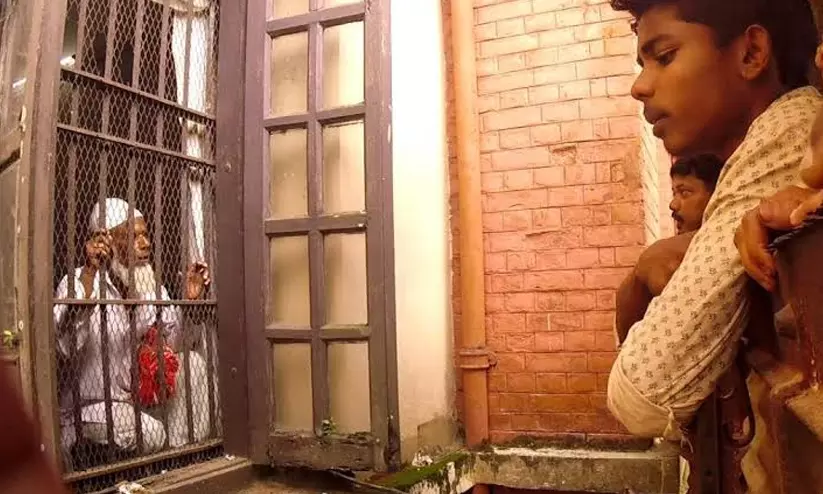
Maktoob Media photo.

Guwahati: As Assam heads to polls on April 9, concerns are mounting among sections of the Muslim community that a recent delimitation exercise has significantly altered the state’s electoral landscape, weakening their political representation. The redrawing of constituency boundaries, ordered in 2023 by the Election Commission of India, has triggered allegations of systematic marginalisation, particularly in constituencies like Katigorah, a report by Al Jazeera suggested.
For residents such as Islam Uddin, a retired teacher who has long mobilised voters in the region, the elections are no longer just about participation but about whether their votes will carry meaningful political weight. Once evenly balanced between Hindu and Muslim voters, Katigorah has undergone a demographic shift after tens of thousands of Hindu voters from neighbouring constituencies were merged into the seat, transforming it into a Hindu-majority constituency. Political observers say this has sharply reduced the likelihood of Muslim candidates being elected.
The changes are not isolated. Across Assam’s 126 assembly constituencies, analysts and opposition leaders argue that the delimitation exercise has redrawn boundaries in a way that fragments Muslim voters and consolidates Hindu majorities. Prominent political analyst Yogendra Yadav has described the process as a form of “communal gerrymandering,” drawing parallels with historical practices in the United States where electoral maps were manipulated to dilute minority voting power.
Experts outline a pattern in which Muslim-majority areas have been divided and dispersed across multiple constituencies, reducing their electoral influence, while other regions have been merged to create consolidated Hindu-majority seats. As a result, the number of constituencies where Muslims form a majority has reportedly dropped from around 35 to about 20.
In regions like the Barak Valley, which has a large Bengali-speaking Muslim population, the impact has been particularly stark. Constituencies that previously elected Muslim representatives have been restructured by carving out Hindu-majority pockets and merging them strategically, altering electoral outcomes. In some cases, seats have also been reserved for candidates from specific caste groups, further limiting Muslim representation.
Political leaders and researchers argue that even geographical guidelines for delimitation—such as maintaining contiguity and respecting natural boundaries—may have been overlooked. Instances have been cited where areas separated by rivers were combined, raising questions about the criteria used in redrawing boundaries.
The ruling Bharatiya Janata Party has rejected allegations of communal bias, stating that the exercise was conducted by the Election Commission. However, critics point to remarks by party leaders suggesting an intent to reduce Muslim electoral influence in certain constituencies.
The developments come against a broader political backdrop in which Muslims—who make up more than a third of Assam’s population—have faced increasing scrutiny through policies and rhetoric targeting their citizenship and land rights. Analysts say the delimitation exercise reflects a shift in Assam’s political fault lines, where religious identity has overtaken earlier concerns around language and migration.
For many voters, the changes have created a sense of political disenfranchisement. Community voices warn that the redrawing of boundaries has effectively silenced their electoral voice, raising concerns about representation, democratic fairness and the future of inclusive politics in the state.