

















US strikes Iranian sites, Kuwait intercepts missiles as ceasefire breached for third time amid further truce talks
text_fields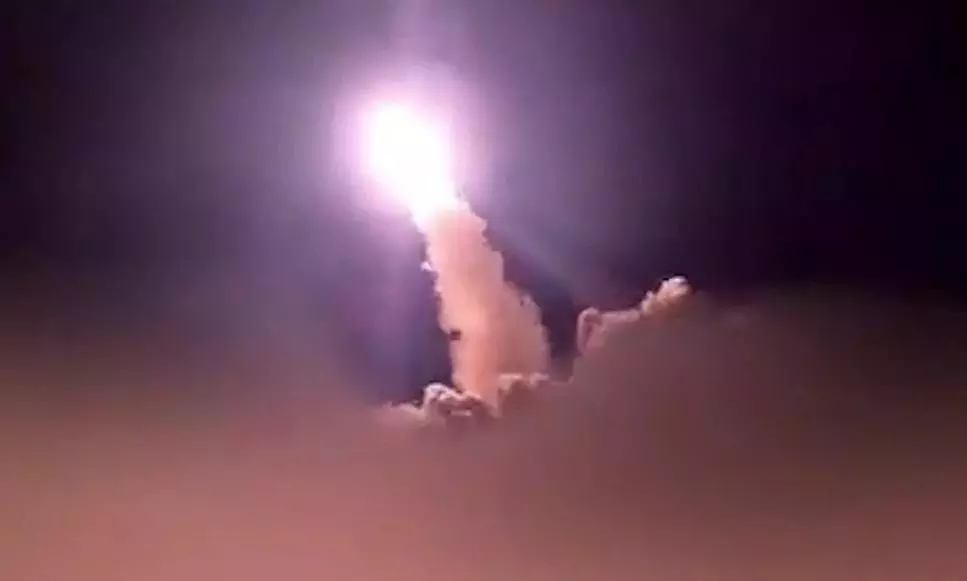

Amid ongoing talks for a further truce between Iran and the US, reports suggested that the US had attacked Iranian “radar and command and control sites for drones in Goruk, Iran, and Qeshm Island”, marking the third time the ceasefire between the two countries had been violated, while Washington defended the strikes by citing Iranian aggression, including the shootdown of a U.S. MQ-1 drone that was operating over international waters.
The latest military exchange has cast a long shadow over fragile diplomatic efforts aimed at securing a durable cessation of hostilities, even as negotiators from both sides continue to exchange messages in pursuit of a broader settlement.
The strikes, carried out by the US Central Command (CENTCOM), targeted what the US described as Iranian military infrastructure associated with drone operations and air defence capabilities, while US officials insisted that the action constituted a measure of self-defence rather than an escalation of the conflict.
In a statement, CENTCOM asserted that American forces had neutralised Iranian air-defence assets, a ground-control station and two one-way attack drones which allegedly posed an imminent threat to commercial and military vessels navigating regional waters.
The operation, according to the US military, was a direct response to a series of hostile Iranian actions, including the downing of an American MQ-1 drone over what it described as international waters.
Iran, however, responded with defiance, as the Islamic Revolutionary Guard Corps (IRGC) announced that its Aerospace Force had launched retaliatory strikes against an airbase allegedly used in an attack on a telecommunications tower situated on Sirik Island in the southern province of Hormozgan.
The IRGC claimed that the facility from which the aggression originated had been struck and that designated targets were destroyed, although it refrained from disclosing the precise location of the base.
The confrontation reverberated across the Gulf region, with Kuwait announcing that its air-defence systems had been activated to intercept what it termed hostile missile and drone attacks. The General Staff of the Kuwaiti Army stated that any explosions heard across the country were the result of defensive interceptions.
The renewed exchange unfolded against the backdrop of intensive diplomatic manoeuvring over a proposed memorandum of understanding that would extend the ceasefire by a further 60 days while negotiations for a permanent settlement continue.
Reports indicate that the draft framework envisages unrestricted shipping through the Strait of Hormuz, the removal of Iranian naval mines, a phased lifting of sanctions, humanitarian assistance mechanisms and discussions concerning Iran’s uranium enrichment programme.