















Drug-resistant tuberculosis: Early detection, effective treatment
text_fields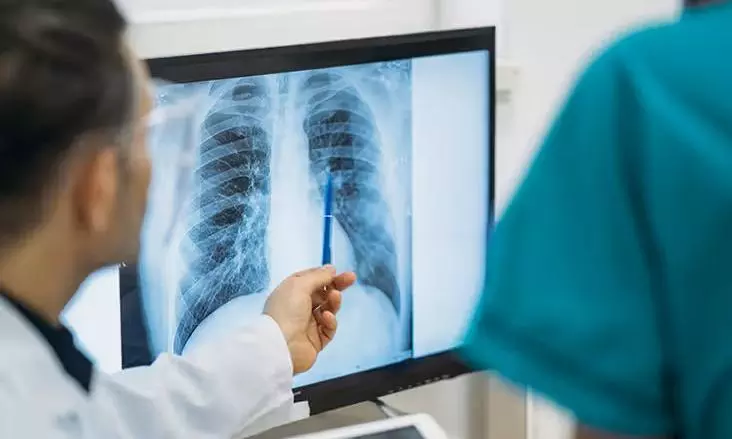

Although the world is making steady progress against drug-resistant tuberculosis, the disease continues to claim thousands of lives every year. According to the WHO Global TB Report 2025, an estimated 390,000 people developed multidrug-resistant or rifampicin-resistant TB (MDR/RR-TB) in 2024, while around 150,000 people died from the disease. TB remains one of the top 10 causes of death worldwide and continues to be the leading cause of death due to a single infectious agent. Consolingly, the proportion of TB patients with drug-resistant disease has gradually come down over the past decade, suggesting that global control efforts are having an impact.
In India, an estimated 150,000 cases of RR-TB occur annually. India continues to carry the world's largest burden, followed by China, the Philippines and the Russian Federation. WHO report also states that drug resistance remains a serious concern, with an estimated 1.5 million people developing isoniazid-resistant TB in 2024 and nearly one in five MDR/RR-TB patients having resistance to key second-line drugs, making treatment even more difficult.
Kerala reports relatively few drug-resistant TB cases compared with many other Indian states. However, every case is important because untreated pulmonary TB can spread infection to several close contacts, making early diagnosis and treatment essential.
What is Drug-Resistant TB?
Drug-resistant TB (DR-TB) occurs when the TB bacteria become resistant to one or more of the standard anti-tuberculosis drugs.
Resistance can develop in two ways:
• Primary (transmitted) drug resistance: A person becomes infected directly by another individual with drug-resistant TB.
• Acquired drug resistance: The bacteria develop resistance during treatment due to:
o Incomplete treatment
o Treatment interruption
o Inadequate drug dosage
o Irrational combinations of anti-TB drugs
Early Diagnosis: Universal Drug Susceptibility Testing
Under the National TB Elimination Programme (NTEP), every patient diagnosed with microbiologically confirmed TB has access to Universal Drug Susceptibility Testing (UDST).
Testing is performed using rapid molecular tests such as:
• CBNAAT
• TruNAAT
These facilities are available across all districts of Kerala, enabling early detection of rifampicin resistance and prompt initiation of appropriate treatment.
When Should You Suspect and Test for TB/DR-TB?
Testing should be considered in individuals with:
• Coughing for more than two weeks
• Any duration of cough in a person who is a close contact of a patient with TB
• Blood in sputum
• Chest pain
• Unexplained weight loss
• Persistent fatigue
• Fever
• Night sweats
• Chills
• Loss of appetite
• Shortness of breath
Which Samples Can Be Tested?
The type of sample depends on the site of disease.
Pulmonary TB
For patients producing sputum, a freshly collected sputum sample, preferably an early morning specimen, is the sample of choice.
Extrapulmonary TB
When TB involves organs other than the lungs, appropriate samples should be obtained whenever feasible, including from:
• Lymph nodes
• Pleural fluid
• Abdomen
• Central nervous system
• Skin
• Bone
• Other affected organs
A diagnosis of DR-TB can only be established from a microbiologically tested specimen.
Treatment of Drug-Resistant TB
Treatment for DR-TB has undergone a major transformation.
Earlier regimens required nearly two years of treatment, often involving injectable drugs along with multiple oral medications.
Today, eligible patients can receive the BPaLM regimen, a six-month, all-oral treatment consisting of four drugs taken daily.
The regimen has demonstrated a treatment success rate of over 85%, making it a significant advance in DR-TB care.
Availability of Treatment in Kerala
The BPaLM regimen is provided free of cost under the National TB Elimination Programme.
Treatment is initiated after careful evaluation at:
• District TB Centres
• Nodal DR-TB Centres located at Government Medical Colleges in:
o Thiruvananthapuram
o Thrissur
o Kozhikode
Patients diagnosed in private hospitals through government-approved diagnostic systems can also be referred to these centres for treatment while continuing follow-up with their treating physician.
Monitoring During Treatment
Since the drugs used in the BPaLM regimen have been introduced relatively recently in India, patients undergo regular clinical and laboratory monitoring for potential adverse effects.
Overall, the regimen is relatively safe, with significant adverse events occurring mainly in patients with additional comorbidities.
Screening of Close Contacts
All close contacts of a patient with DR-TB should be evaluated to rule out active disease.
Screening may include:
• Sputum examination (when indicated)
• Chest X-ray
If active TB is excluded, contacts may be tested for TB infection using the Cy-Tb skin test.
Individuals with evidence of TB infection may be offered TB Preventive Therapy (TPT) according to national guidelines.
Preventing Transmission
The infectiousness of a patient with pulmonary TB decreases substantially within 2–4 weeks of starting effective treatment.
Household contacts who have already been exposed before diagnosis are not at additional risk after treatment begins.
Therefore, routine isolation of patients from family members at home is generally not required.
However, patients should continue to follow simple infection-control measures, including:
• Wearing a mask while travelling on public transport or visiting hospitals
• Covering the mouth and nose while coughing or sneezing
• Avoiding spitting in public places
These measures help reduce transmission to the community and protect healthcare workers.
Drug-resistant tuberculosis (DR-TB) is a serious health problem that affects not only the affected person but also families as well as communities.
Early diagnosis, taking medicines correctly and completing the full course of treatment are important to stop the disease from spreading and becoming more resistant.
With greater awareness, better healthcare and continued efforts, we can reduce the burden of drug-resistant TB and more lives can be saved.
Credit
Dr Anitha Thilakan
Associate Professor, Pulmonary Medicine, GMC Thrissur
Nodal Officer, Nodal DRTB Centre, GMC Thrissur