












Drone strike sparks fire near UAE’s Barakah nuclear power plant
text_fields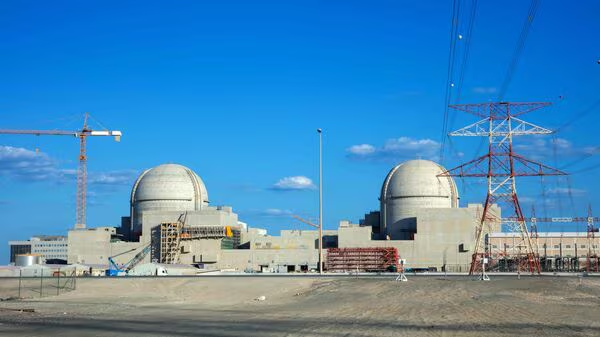

Dubai: A drone strike targeted the perimeter of the United Arab Emirates’ Barakah nuclear power plant on Sunday, setting an electrical generator on fire and further straining the fragile ceasefire in the ongoing Iran war.
Authorities in Abu Dhabi said there was no radiological leak or injuries in the incident. No group immediately claimed responsibility for the attack, though suspicion quickly turned towards Iran, which has intensified threats against the UAE in recent days over its hosting of Israeli Iron Dome missile defence systems and troops during the conflict.
The attack comes as Iran continues to maintain pressure over the Strait of Hormuz, a critical global shipping route through which around one-fifth of the world’s oil and natural gas passes. The disruption has already impacted global energy supplies. At the same time, the United States has continued blocking Iranian ports after ceasefire negotiations failed to make progress.
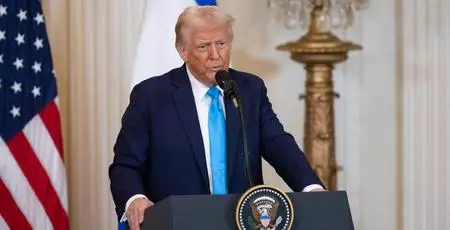
US President Donald Trump recently warned that hostilities could resume, while Iranian state television has repeatedly aired armed presenters carrying Kalashnikov-style rifles in what appeared to be efforts to prepare the public for renewed conflict.
Meanwhile, exchanges of fire between Israel and Hezbollah in Lebanon have also intensified in recent days, threatening another ceasefire in the region.
The USD 20 billion Barakah nuclear power plant, developed with South Korean assistance, became operational in 2020. It is the first and only nuclear power plant on the Arabian Peninsula and the first commercial nuclear power facility in the Arab world.
Located in the western desert region of Abu Dhabi near the Saudi Arabian border, the four-reactor facility can provide up to a quarter of the UAE’s energy requirements.
The UAE’s nuclear regulator said the fire did not affect the plant’s operations or safety.
“All units are operating as normal,” the regulator posted on X.
The UAE government did not directly blame any country or group for the attack. The International Atomic Energy Agency (IAEA), the UN’s nuclear watchdog based in Vienna, did not immediately comment on the incident.
The Barakah facility had not previously been targeted during the Iran war. Under a strict “123 agreement” signed with the United States, the UAE agreed not to enrich uranium domestically or reprocess spent fuel in order to address nuclear proliferation concerns. The plant imports its uranium from abroad.
Nuclear power plants have increasingly become vulnerable during armed conflicts, particularly since Russia’s full-scale invasion of Ukraine in 2022.
During the ongoing Iran war, Tehran has repeatedly claimed that its Bushehr nuclear power plant was attacked, although there were no reports of direct damage to the Russian-operated reactor or any radiation leak.
The latest attack follows weeks of escalating incidents around the Strait of Hormuz and Gulf nations as tensions between Iran, the US and regional powers continue to rise. Diplomatic talks remain stalled, increasing fears that the ceasefire could collapse entirely and push the Middle East back into wider warfare, worsening the global energy crisis.
Iranian state television has also adopted increasingly militaristic messaging. On one channel, presenter Hossein Hosseini appeared receiving basic firearms training from a masked member of the Revolutionary Guard and mimed firing at the UAE flag.
On another broadcast, presenter Mobina Nasiri appeared armed on live television and declared she was ready to “sacrifice” her life for Iran.
With PTI inputs