


















One-third of world could face far more heatwaves and droughts by 2100: study
text_fields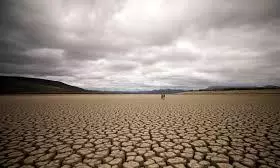

Nearly one in three people worldwide could face simultaneous heatwaves and droughts up to five times more often by the end of the century, according to a new study published in Geophysical Research Letters.
Researchers from Germany and China examined “compound hot-dry extremes,” where intense heat and severe drought occur together.
Their findings suggest that about 28 per cent of the global population, roughly 2.6 billion people, could experience at least a fivefold increase in such events by the 2090s.
Scientists warn that the combined impact of heat and drought is far more damaging than either event alone, raising the risk of heat-related deaths, wildfires, crop failures, and economic instability.
“Heat and drought amplify each other,” said Di Cai of Ocean University of China, adding that such conditions can lead to water shortages and unstable food prices, particularly affecting outdoor workers.
The study analysed 152 climate simulations based on models used in the Intergovernmental Panel on Climate Change Sixth Assessment Report. Under current policies, global temperatures are projected to rise by 2.7 degrees Celsius by 2100, which could result in 2.4 times more compound events globally, with episodes lasting nearly three times longer.
The burden is expected to fall disproportionately on tropical and lower-income countries, which have contributed less to global emissions but face greater challenges in adapting to extreme conditions.
Researchers said stronger commitments under the Paris Agreement could reduce the share of affected people from 28 per cent to 18 per cent, potentially sparing around 900 million people.
Climatologist Monica Ionita of the Alfred Wegener Institute said the findings underline the urgency of climate action, noting that the scale of impact makes the issue critical for the future.