














A snail-paced, rat-gnawed justice
text_fields

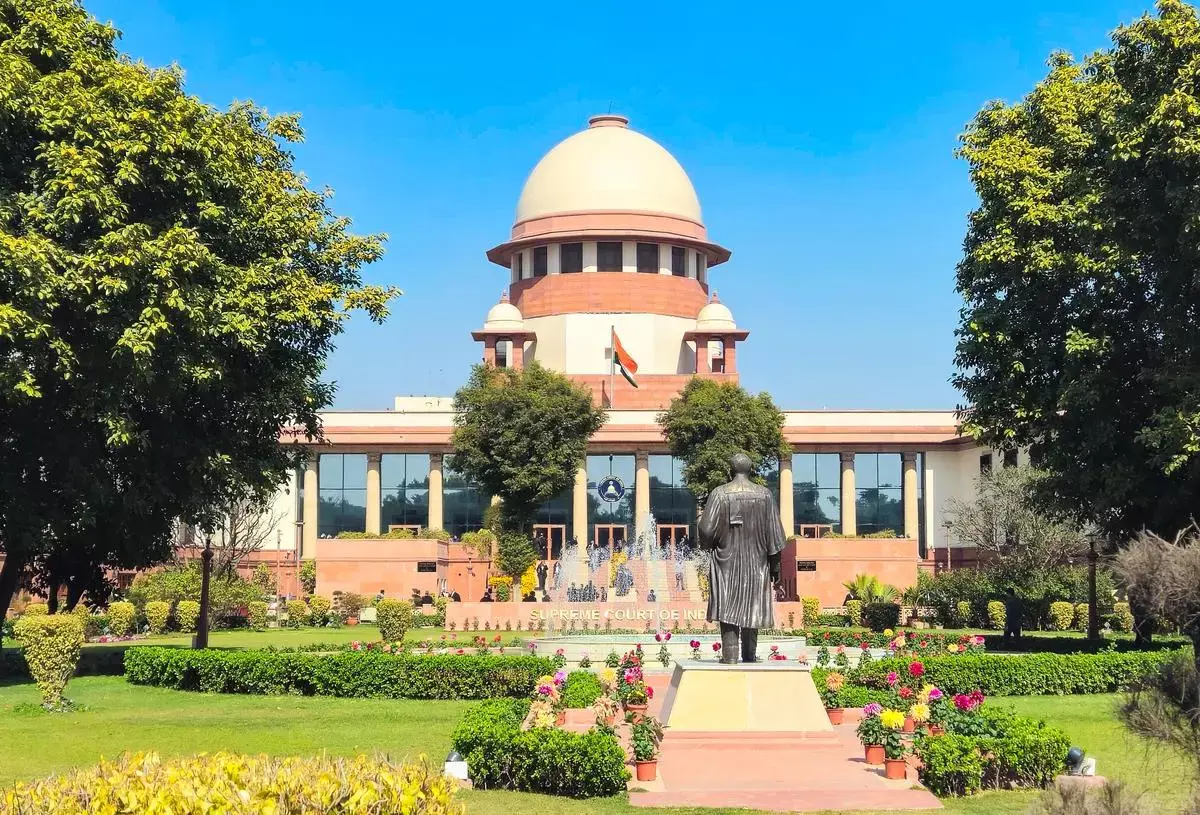
Those who closely observe and seriously reflect on the state of law enforcement and the administration of justice in the country would not have missed two cases that came before the Supreme Court last week. One was a case of rioting, and the other a case of bribery. The petitioner in the first case is a police officer named Kailash Chandra Kapri. He is an accused in a case registered in 1989 at the Rambagh Railway Police Station in Allahabad, now renamed Prayagraj. A case was filed against him under charges of rioting, causing injury, and intentional insult, and for the past 35 years—since 1991—the trial proceedings have been pending before the Additional Chief Judicial Magistrate (Railways) Court in Prayagraj. However, not a single witness has been produced by the prosecution to date. Of the five accused in the case, two have died, and two others have been acquitted after being found not guilty. The remaining accused, Kapri, approached the Allahabad High Court seeking termination of the proceedings against him. However, the court did not grant the request, observing that prima facie the case could not be dismissed. He then approached the Supreme Court with an appeal. Considering the delay in the case, the bench comprising Justice J. B. Pardiwala and Justice Vijay Bishnoi observed that the possibility of quashing the proceedings could be considered.
The identity of those who were victims of the rioting, violence, and insult mentioned in the case has itself been forgotten by the judiciary as well as by the public at large. There is no clarity either among the media regarding what eventually happened to them. Even after three and a half decades, it is the grievance of the officer who continues to remain an accused in the case that was highlighted before the Supreme Court. No one is raising the question from any quarter as to what the state’s law enforcement system was doing without conducting an investigation or producing witnesses.
The next case is from Bihar. In 2014—over a decade ago—a case was registered against Anjana Kumari, who was then a Child Development Project Officer, alleging that she had accepted a bribe of ₹10,000 from an individual. In a case weakened by the failure to produce the material evidence, namely the marked currency notes, the trial court acquitted the accused. However, the High Court overturned that decision. Although the seized money was not produced in court, the High Court held that the records in the case register could be considered, and sentenced her to three years of rigorous imprisonment. Challenging this verdict, the accused approached the Supreme Court. The Supreme Court observed that the argument that the bribe currency notes were destroyed after being eaten by rats was astonishing, and granted bail to the accused while staying the execution of the sentence.
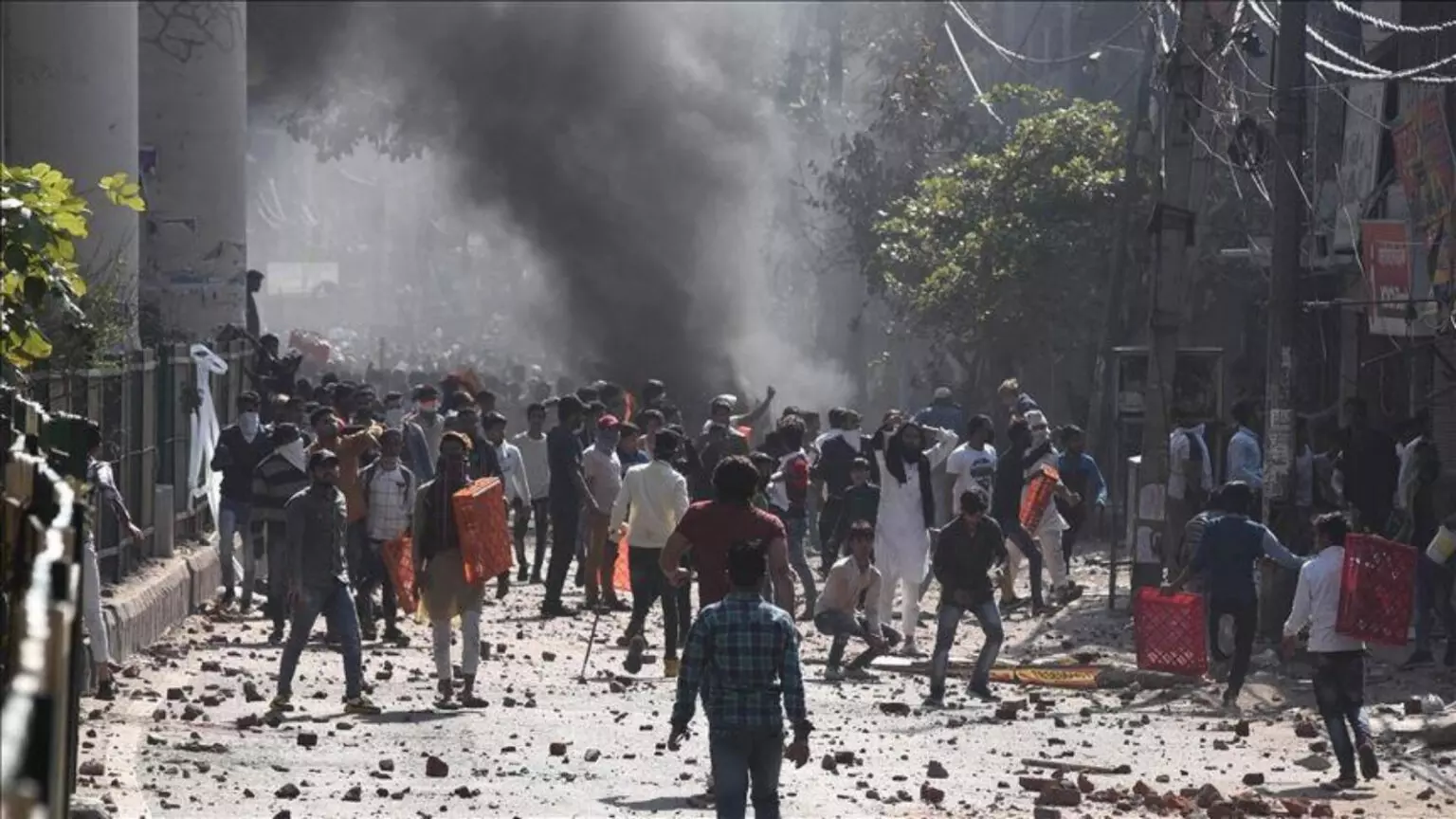
In both the cases mentioned above, one can clearly see a series of denial of justice. It is the boundless confidence of criminals that they will not be punished that paves the way for recurring riots, violence, and corruption. And amid investigations and legal proceedings moving at a snail’s pace, even the strongest of evidence is often erased or tampered with. In cases of police excesses and communal or ethnic riots that took place decades ago in Uttar Pradesh, there are numerous examples where the accused have not spent even a single day in jail, yet continue to hold high administrative and official positions—thereby making a mockery of both the country’s legal system and its Constitution.
In a state like Bihar, with the highest child mortality rate other than Madhya Pradesh and Uttar Pradesh, if responsible officials in the Child Development Department of the state, are found accepting bribes, that itself becomes the foremost reason for the stagnation of development in those regions. One must also remember that in a land where people are forced to eat rats due to lack of food, money, and employment, it is from such a place that a story emerges claiming that cash was eaten away by rats. One only wishes that the hands of the judiciary will also extend to provide relief to hundreds of people who are arrested as accused and then left to spend years in prison, who do not enjoy either political influence or legal support, without trial or further proceedings, waiting endlessly for justice.