
















Burning firewood at home in winter fuels air pollution, premature deaths
text_fields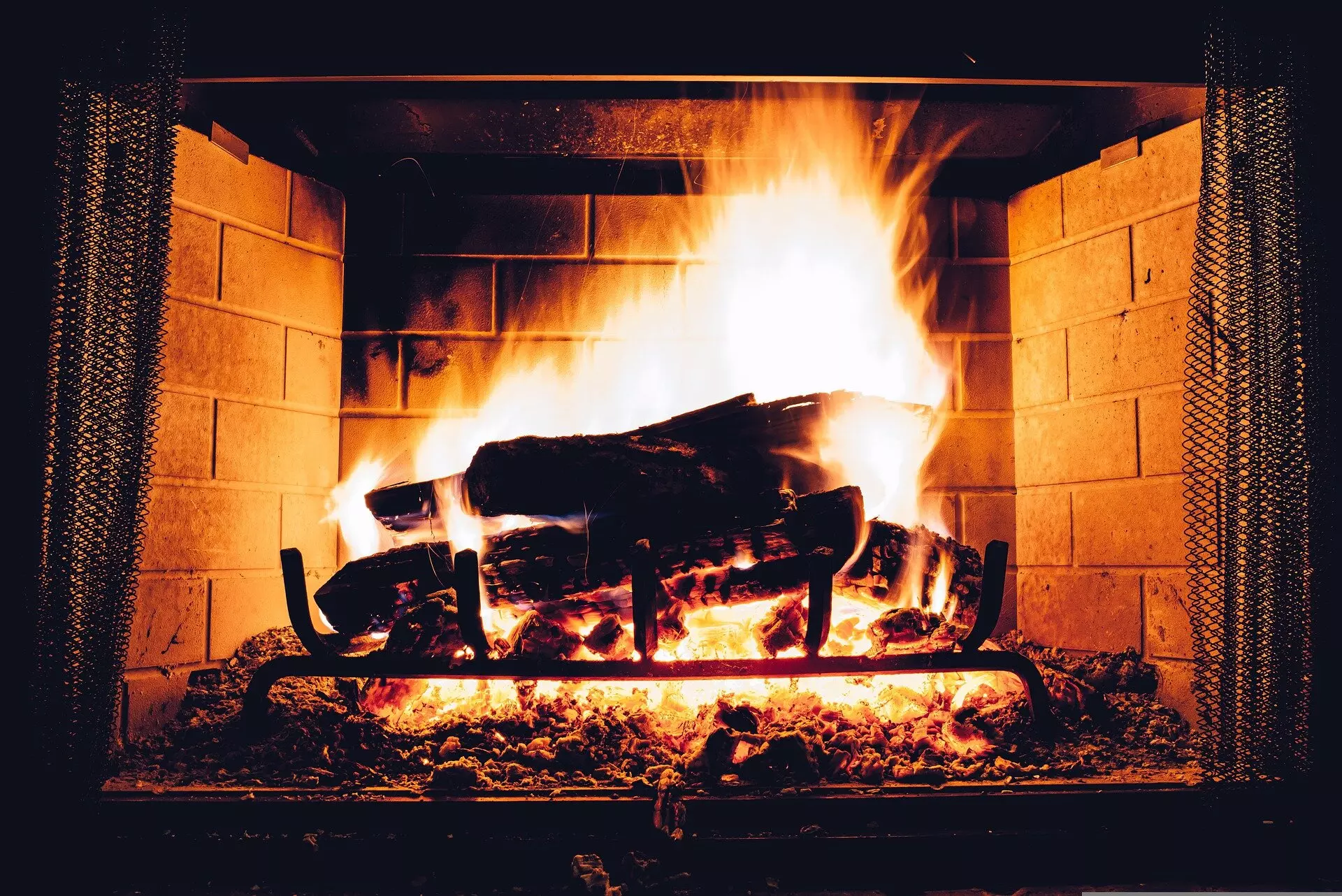

New Delhi: Burning firewood in homes can be a major contributor to air pollution and premature deaths during winters, according to a study published in the journal Science Advances.
The research showed that residential wood burning accounts for around 22 per cent of PM2.5 pollution in winter, making it one of the single largest sources of fine particulate pollution during the coldest months.
Led by researchers from Northwestern University, the modelling study found that pollution from residential wood burning is associated with approximately 8,600 premature deaths annually in the United States.
The researchers recommended using alternative home-heating appliances instead of burning wood, which could significantly reduce fine particulate matter in the air and lower the risk of cardiovascular diseases.
“We frequently hear about the negative health impacts of wildfire smoke, but do not often consider the consequences of burning wood for heat in our homes,” said Daniel Horton, Associate Professor of Earth and Planetary Sciences at Northwestern University.
“Since only a small number of homes rely on wood burning for heat, facilitating a transition to cleaner or non-burning heat sources could lead to outsized improvements in air quality,” he added.

The study examined emissions from wood-burning furnaces, boilers, fireplaces, and stoves. Using a high-resolution atmospheric model, the researchers simulated how pollution disperses in the air, taking into account weather, wind, temperature, terrain, and atmospheric chemistry to estimate air quality over time.
“Wood burning emissions enter the atmosphere, where they are affected by meteorology. Some emissions are primary pollutants, such as black carbon, while others interact with atmospheric constituents to form additional secondary particulate matter,” Horton explained.
The study found that particulate pollution from wood burning is particularly problematic in cities and suburban areas due to the combined effects of population density, emissions density, and atmospheric transport.
In many cities, smoke from surrounding suburbs drifts into more densely populated urban cores, even in areas with limited wood-burning emissions. Cities not typically associated with wood burning, including those in warmer climates, can experience spikes in particulate matter during cold snaps, recreational burning, and through atmospheric transport.
With IANS inputs