











Rahul Gandhi protests CBI chief selection, says he will not be 'rubber stamp' in 'biased exercise'
text_fields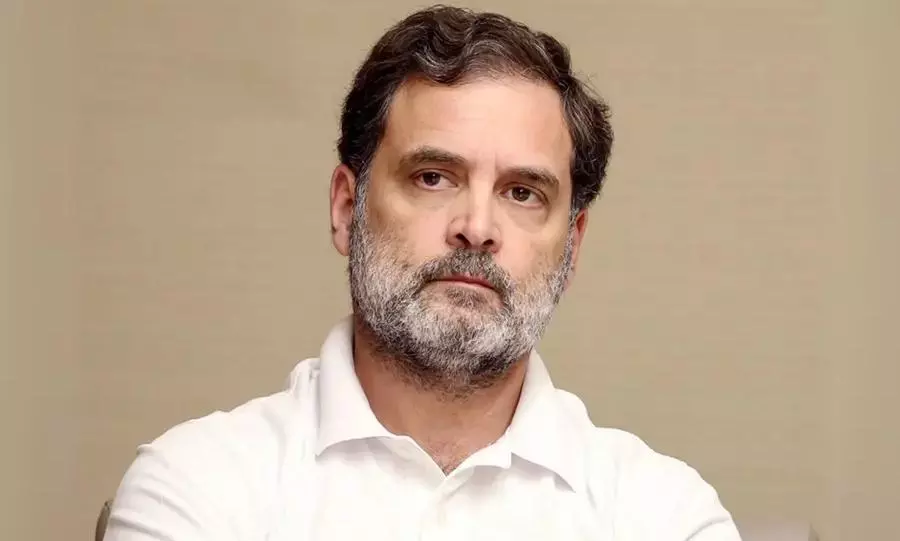

In a dissent note written to Prime Minister Narendra Modi regarding the selection of the next CBI chief, Leader of Opposition in the Lok Sabha Rahul Gandhi said that, being the LoP, he did not wish to be a rubber stamp participating in a biased exercise, as he called the process a mere formality aimed at appointing a pre-decided candidate and misusing the agency against political opponents, journalists and critics.
The fiery two-page missive alleged that the Union government deliberately obfuscated the proceedings, and Gandhi maintained that he was systematically denied access to the indispensable "360-degree reports" and self-appraisal dossiers of the prospective candidates.
The dissent erupted on Tuesday evening during a high-powered committee meeting at 7 Lok Kalyan Marg, where Prime Minister Modi and Chief Justice Surya Kant convened to appoint the next CBI director.
As the tenure of the incumbent, Praveen Sood, approaches its May 24 expiry, the Union Government has remained conspicuously silent on his successor, heightening the tension surrounding the deliberations.
Although the government presented a list of 69 eligible officers for instantaneous review during the meeting, Rahul Gandhi argued that such an eleventh-hour disclosure rendered a meticulous evaluation of professional integrity impossible, thereby reducing his constitutional mandate to a hollow performance.
Central to Gandhi’s grievance was the accusation that the Prime Minister’s administration has consistently weaponised the Central Bureau of Investigation to orchestrate "institutional rupture" and stifle dissent.
He contended that his inclusion in the panel was architected specifically to safeguard against such partisan overreach; however, he lamented that the government’s refusal to provide comprehensive performance records made a mockery of democratic checks and balances.
Despite the procedural deadlock and Gandhi’s categorical dissent, several high-ranking IPS officers remain under consideration, including R&AW chief Parag Jain and Maharashtra DGP Sadanand Date. Other prominent contenders on the shortlist include Haryana’s Shatrujeet Singh Kapoor, CRPF Director General GP Singh, NDRF chief Piyush Anand, and Delhi Police Commissioner Satish Golccha. While the government appears poised to proceed with the appointment, the shadow of Gandhi’s scathing critique looms large over the bureau's future autonomy, and the official announcement of the new director remains pending amidst this atmosphere of profound political acrimony.