














Indian defence veterans question India’s reticence over US torpedoing of Iranian frigate
text_fields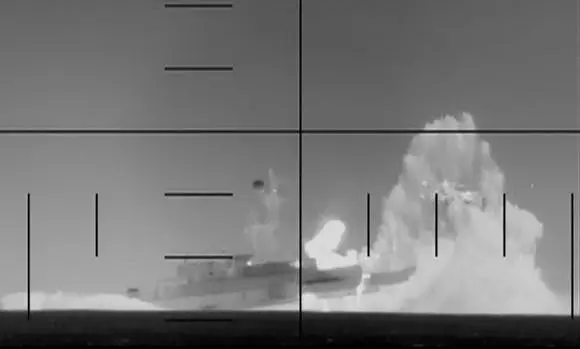

Egregious transgression is how veteran military staff of India have characterised the United States’ torpedoing of an Iranian frigate on the international channel off the Indian coast, the vessel having been on its return passage after Indian hosting, describing the strike as a “strategic embarrassment” to the Indian government and a “blow to its regional credibility”.
The IRIS Dena, a guest of the Indian Navy’s International Fleet Review in Visakhapatnam between February 15 and 25, was purportedly obliterated by a US submarine without provocation, resulting in a staggering loss of life that includes eighty-seven confirmed fatalities and dozens missing beneath the churning waves of the Laccadive Sea, even as the Sri Lankan Navy rescued 32 survivors from the debris-strewn waters.
Iran’s Foreign Minister, Seyed Abbas Araghchi, asserted that the vessel, which he termed “a guest of India’s Navy”, had been attacked without warning, and he cautioned that Washington would “bitterly regret” the precedent it had established, thereby escalating diplomatic rhetoric in an already volatile maritime theatre.
The US Department of War has confirmed the offensive, even disseminating high-definition footage of the catastrophic detonation to the global public, yet the Modi government maintains a conspicuous and controversial silence that critics suggest signals a profound abdication of strategic autonomy.
Former Navy Chief Admiral Arun Prakash expressed his profound consternation, asserting that New Delhi must convey deep displeasure for the US having brought “maritime warfare to our doorstep” without prior consultation; he lamented that the conflict appears “needless and open-ended,” lacking the moral moorings required to anchor India’s complex geopolitical alignments.
Scholars such as Sushant Singh of Yale University contend that the Trump administration’s decision to bypass the Indian government entirely constitutes a "fat line" crossed, suggesting that the United States would never have dared such kinetic action near Chinese waters.
This perceived insolence effectively hollows out the “MAHASAGAR” vision—Prime Minister Modi’s flagship policy intended to position India as the Indian Ocean’s “preferred security partner”—by demonstrating that a distant superpower can exercise lethal force within India’s maritime backyard with total impunity
The timing of the strike is particularly galling to the Indian establishment, as the vessel was returning from the International Fleet Review in Visakhapatnam—a biennial pageant of naval diplomacy meant to foster a “rules-based maritime order.”
Diplomatic veterans, including former Foreign Secretary Nirupama Menon Rao and Kanwal Sibal, have voiced their indignation over the violation of “naval hospitality,” noting that the IRIS Dena was an invited guest and, per protocol for the Milan exercises, was ostensibly defenceless and devoid of ammunition.
They argue that India’s refusal to offer even a word of condolence for the fallen sailors portrays the nation as “tongue-tied” and subservient to Washington’s interests at the expense of its own moral voice.
The political opposition intensified its censure, with Rahul Gandhi accusing the Prime Minister of surrendering strategic autonomy through silence, and party colleagues questioning whether India’s influence in its own neighbourhood had been quietly ceded, thereby converting a naval tragedy into a fulcrum for domestic political indictment as well as geopolitical disquiet.