











When the fence itself devours the crop?
text_fields

The demand for a separate “Dravida Nadu” raised in Tamil Nadu was viewed as a threat to the unity and integrity of the country, leading Parliament to pass the Unlawful Activities (Prevention) Act (UAPA) in 1967. Over the years, the law was amended several times and gradually became increasingly stringent and prone to misuse, prompting protests from human rights movements and civil liberties advocates. The UAPA has now become a tool that enables governments to arrest and detain indefinitely anyone perceived by the establishment as dissenting or undesirable. Critics argue that the harsh law is frequently misused to target individuals and ban organisations that peacefully protest against unjust laws, rights violations and dangerous legislation while exercising their constitutional rights. They further contend that grave charges such as sedition, waging war against the nation and attempting to overthrow the government are often invoked under the law to suppress dissent and criminalise democratic resistance. It is not uncommon for those accused under misused laws to be denied timely production before courts and for their bail pleas to be rejected solely on the basis of one-sided allegations raised by the government.

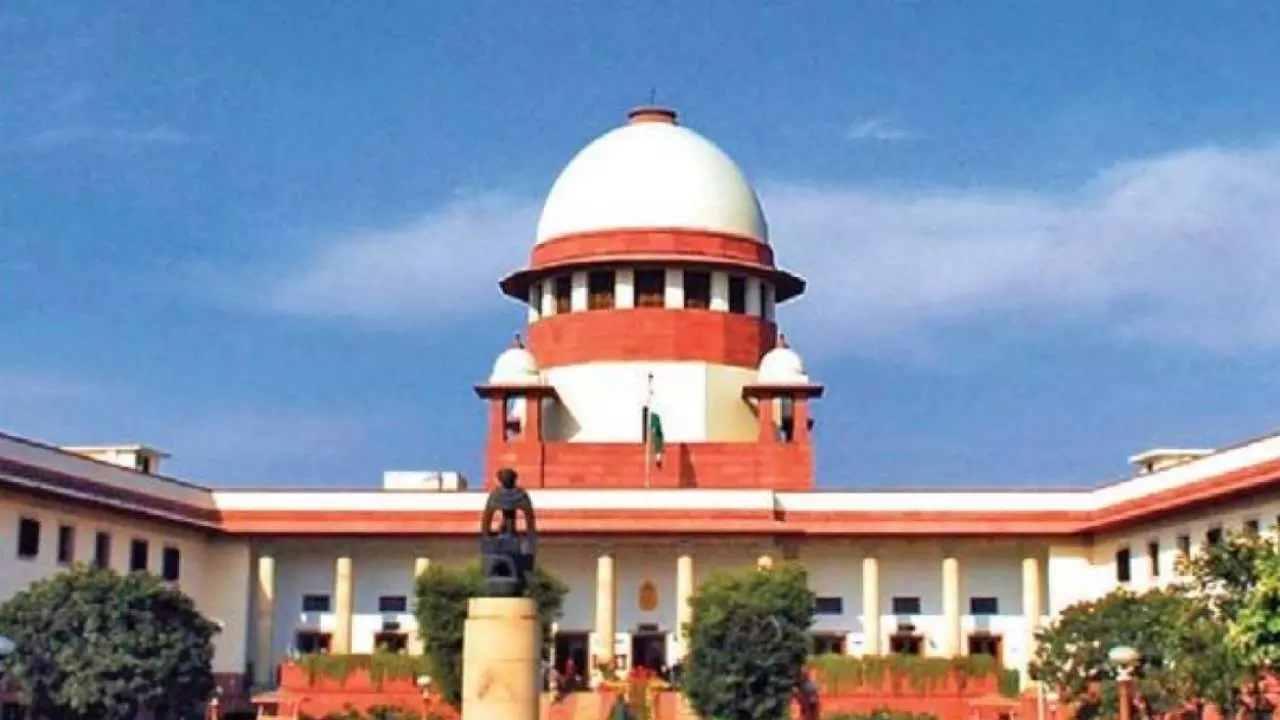
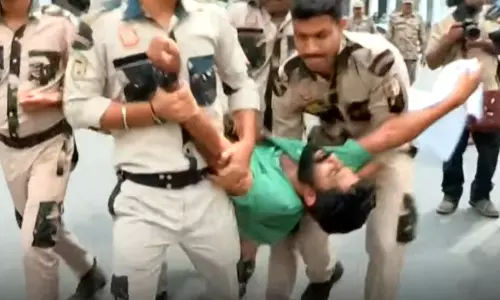
Many innocent detainees are unable to approach courts because of the unbearable financial burden involved in pursuing legal battles. Even those who overcome these difficulties and seek bail before the High Courts or the Supreme Court of India are often denied relief without sufficient justification. It is in this context that Justices B. V. Nagarathna and Ujjal Bhuyan made strong observations against a recent decision of a two-judge Supreme Court bench that once again rejected the bail pleas of student leaders Sharjeel Imam and Umar Khalid. The two were arrested by the Delhi Police under the Unlawful Activities (Prevention) Act (UAPA) for their alleged involvement in protests against the Citizenship Amendment Act protests. Sharjeel Imam and Umar Khalid were jailed on September 13, 2020, facing serious charges including sedition, terrorism, conspiracy, hate speech and participation in protests against the citizenship law. While another bench comprising Justices Aravind Kumar and N. V. Anjaria had granted bail to other student leaders accused in the same case, the two judges denied similar relief to Imam and Khalid. A review petition filed against that decision was also dismissed after the court heard the prosecution’s objections. It is this judgment that has now come under sharp criticism from another bench of the Supreme Court of India. Justices B. V. Nagarathna and Ujjal Bhuyan observed that bail had been denied to Umar Khalid and Sharjeel Imam without properly applying the principle laid down by a three-judge Supreme Court bench in the 2021 K. A. Najeeb judgment.
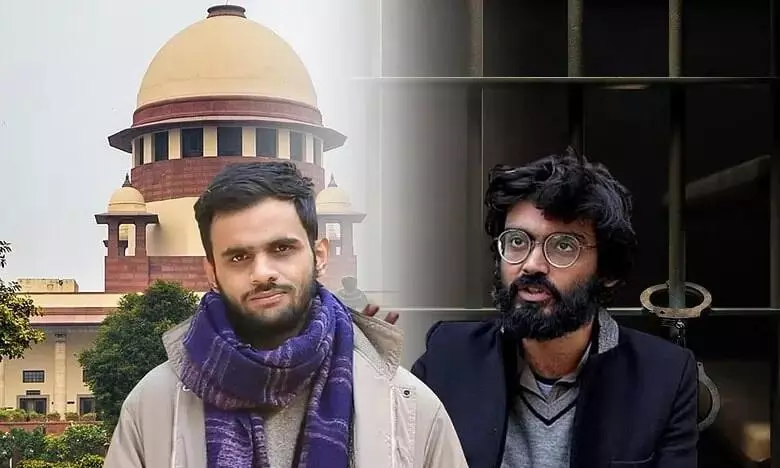
In that ruling, the court had held that prolonged delay in trial could itself constitute sufficient grounds for granting bail in cases under the Unlawful Activities (Prevention) Act (UAPA). The judges pointed out that Section 43D(5) of the UAPA, considered one of the law’s harshest provisions, had been recognised by the three-judge bench in the Najeeb case as a clause that effectively makes bail extremely difficult and results in prolonged pre-trial detention. They recalled that such prolonged incarceration could violate the right to personal liberty guaranteed under Article 21 of the Constitution. The judges also emphasised that smaller benches are bound to follow decisions delivered by larger benches of the Supreme Court. At the same time, the Supreme Court of India has pointed out that the conviction rate in cases registered under the Unlawful Activities (Prevention) Act (UAPA) remains extremely low. According to data from the National Crime Records Bureau covering the period from 2019 to 2023, only around two to six percent of accused persons across the country were convicted under the law. The court reportedly observed that between 94 and 98 percent of the accused are likely to be acquitted once trials conclude. Critics argue that these figures reveal the scale of injustice and human rights violations taking place under the existing system. They contend that it is difficult for anyone with a conscience to remain silent in the face of such widespread misuse of harsh laws and the prolonged incarceration of individuals who may ultimately be found innocent. The criminal justice system and anti-terror laws are intended to prevent violence and acts of terror. However, critics argue that when governments elected by the people and institutions entrusted with delivering justice themselves appear to act in a harsh and oppressive manner, it raises troubling questions about where ordinary citizens can turn in their search for justice.