

















Gig workers’ union calls 5-hour nationwide shutdown over fuel price hike
text_fields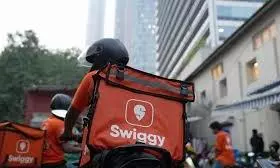

The Gig & Platform Service Workers Union (GIPSWU) has called for a nationwide five-hour shutdown of app-based services on Saturday in protest against the recent increase in petrol and diesel prices.
The union has demanded an immediate revision in per-kilometre service rates from the government and major digital platforms, warning that the fuel price hike will severely impact India’s gig workers.
Oil marketing companies earlier raised petrol and diesel prices by around Rs 3 per litre, marking the first major nationwide retail fuel hike in nearly four years. In Delhi, petrol now costs about Rs 97.77 per litre while diesel is priced at Rs 90.67 per litre. The increase has been linked to rising international crude oil prices and tensions in West Asia, including around the Strait of Hormuz.
GIPSWU President Seema Singh called the fuel hike a “direct blow” to workers already dealing with extreme heat conditions. She urged companies and the government to fix a minimum service rate of Rs 20 per kilometre for delivery and transport workers.
The union warned that many workers may leave the sector if operational costs continue to rise without compensation. It said gig workers using motorcycles and scooters for deliveries and rides are among the worst affected due to increasing fuel, maintenance, and vehicle expenses.
National Coordinator Nirmal Gorana said women gig workers, drivers, and delivery personnel were facing mounting pressure while working long hours in difficult traffic and weather conditions.
The union said workers associated with platforms including Swiggy, Zomato, Blinkit, Zepto, Ola, Uber, Rapido, Porter, and Amazon Flex are carrying rising costs without corresponding increases in pay.
According to NITI Aayog estimates cited by the union, India had around 77 lakh gig workers in 2020-21, and the number is projected to cross 2.3 crore by 2029-30.
GIPSWU said it has submitted memorandums to the government and digital platforms seeking revised delivery charges, fuel compensation, and urgent intervention.