




BJP cannot shield him after May 4: TMC warn Ajay Sharma IPS
text_fields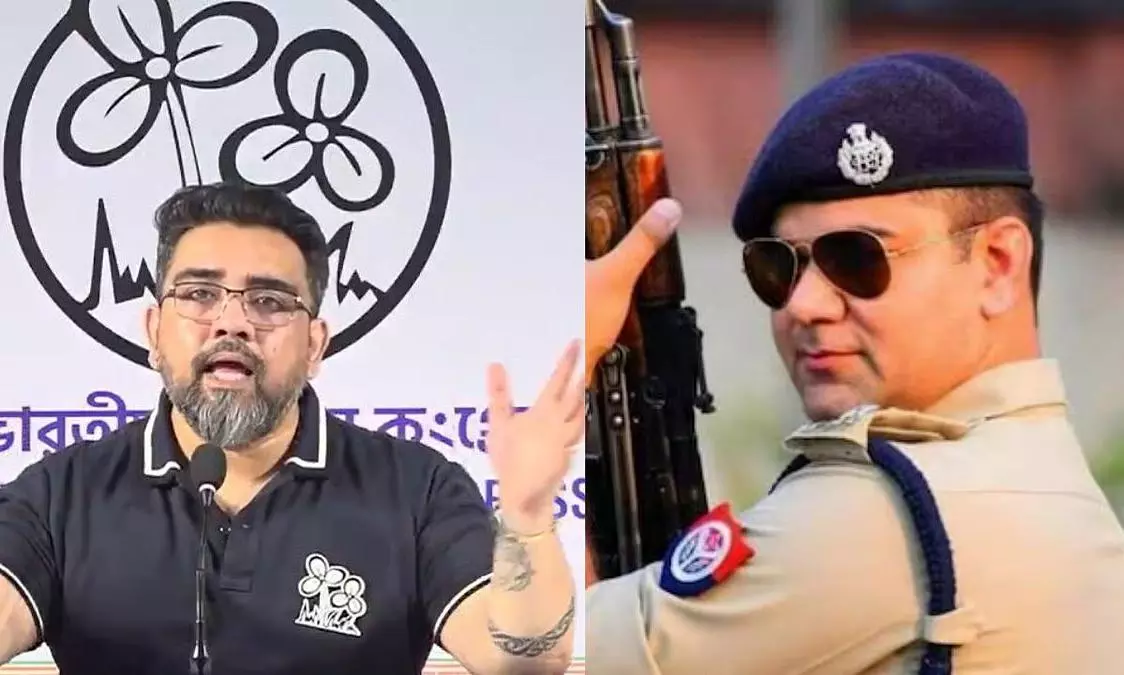
The Free Press Journal.

Kolkata: Political tensions in West Bengal have intensified after the Trinamool Congress mounted a sharp attack on IPS officer Ajay Pal Sharma over his appointment as a poll observer, triggering a fresh confrontation between the ruling party and the BJP, according to a report by The Free Press Journal.
The TMC accused Sharma of bias and warned of political resistance if he exceeded the mandate of a neutral observer. Senior leaders suggested that he would not be shielded by the Bharatiya Janata Party if tensions escalated, framing the issue as part of a broader attempt to influence the electoral process in the state.
The controversy escalated after a video surfaced online, allegedly showing Sharma in a private setting dancing with women. The clip was widely circulated by TMC leaders and party-linked social media handles, quickly becoming a flashpoint. In response, party spokesperson Riju Dutta launched a personal attack, linking Sharma to Uttar Pradesh Chief Minister Yogi Adityanath and portraying him as a symbol of aggressive policing associated with that state.
Building on this narrative, TMC leaders questioned Sharma’s neutrality and highlighted his past record, including allegations of involvement in a 2020 cash-for-postings controversy during his tenure in Uttar Pradesh. They also referred to a past complaint of personal misconduct, despite Sharma having denied such claims and continuing in senior roles.
At the same time, the officer has been projected as a tough law enforcer with a reputation as an “encounter specialist” under the Adityanath administration. A separate video circulating online shows him warning individuals allegedly linked to the TMC against voter intimidation, signalling a hardline approach to maintaining order.
The TMC has made it clear that any perceived overreach would be met with strong political pushback, reinforcing its stance that West Bengal will not accept what it views as heavy-handed tactics.
As the electoral environment heats up, the episode reflects deepening distrust between the state leadership and central authorities overseeing the process.