




MIT student develops app showing British Museum artefacts in their countries of origin
text_fields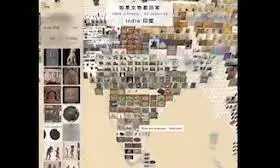

A student at Massachusetts Institute of Technology has created an app that maps artefacts in the British Museum to the countries they originally came from.
The app, developed by a Chinese student, features nearly 5,000 artefacts from 99 countries.
In a video that has gone viral on social media, the creator said the project was inspired by the idea of returning the museum’s collections to their lands of origin.
“It features nearly 5,000 artefacts hailing from 99 different countries,” the creator said. “You can view these items displayed as cards, standing proudly in their true homelands.”
The application places artefacts across a digital world map and includes an animation showing when each item was acquired by the British Museum. Users can then tap a “Home” button to watch the artefacts return to their countries of origin.
Among the examples shown are the Rosetta Stone and the Eye of Horus from Egypt. The app also references works by Gu Kaizhi, the Chinese painter from the Eastern Jin Dynasty. The creator said the museum also contains many artefacts from India.
“This is not merely a cold, data-driven project; behind every glowing point lies a story of separation from home,” the creator said.
The video prompted a wide reaction online. Some users praised the project and questioned how the data had been collected and linked.
Others used the video to criticise Britain’s colonial history and the presence of foreign artefacts in the museum.
At the same time, some social media users defended keeping the objects in the British Museum, arguing that the museum gives the public access to important historical treasures and that some artefacts could have been lost or destroyed if they had remained in their countries of origin.