














Germany seeks turnaround after two disappointing World Cups
text_fields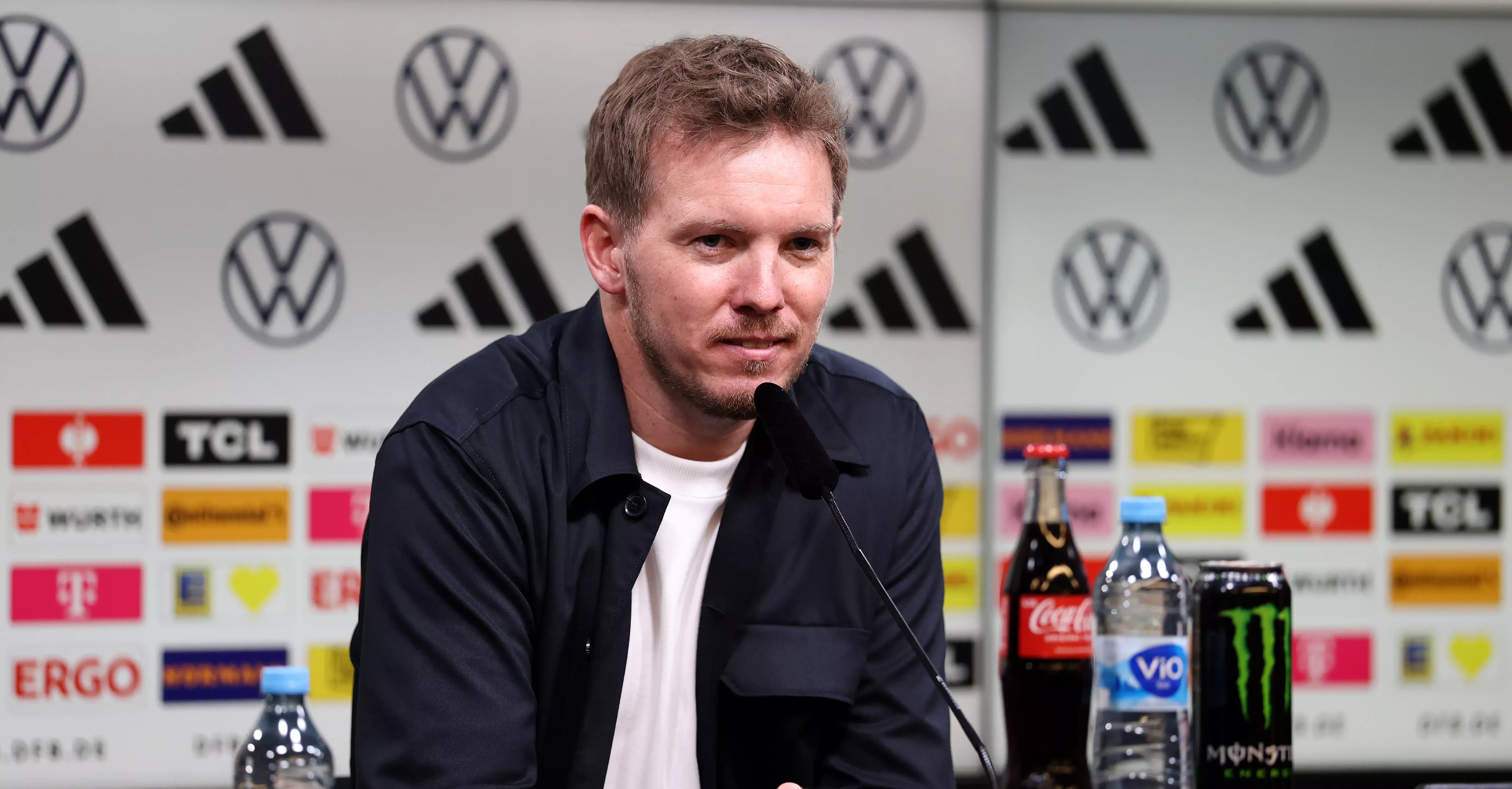

Berlin: Germany are aiming to put behind the disappointment of back-to-back World Cup group-stage exits as they prepare for another bid to reclaim their status among international football’s elite.
The four-time world champions have been searching for redemption since their shock first-round elimination at the 2022 World Cup in Qatar, which followed a similar group-stage exit in Russia four years earlier. The failure in Qatar ultimately led to the departure of coach Hansi Flick after a run of poor results.
His successor, Julian Nagelsmann, took charge ahead of UEFA Euro 2024 and ushered in a new era built around a younger generation of talented players. Germany showed signs of revival during the tournament but were eliminated by eventual champions Spain in the quarter-finals.
Despite the setback, Nagelsmann has remained confident about Germany’s prospects and has repeatedly stated his belief that the team can challenge for the World Cup title. That confidence was underlined by his decision to recall veteran goalkeeper Manuel Neuer from international retirement, despite previously indicating that Oliver Baumann would be Germany’s first-choice goalkeeper after strong performances during qualification.

Neuer, now 40, is the only remaining member of Germany’s 2014 World Cup-winning squad. With 124 international appearances, his experience is expected to provide valuable leadership to a squad that combines youth and experience.
Nagelsmann acknowledged that the decision was difficult for Baumann but insisted Neuer’s presence would strengthen the team.
“Everyone knows what kind of aura he possesses and the quality he brings to a team,” Nagelsmann said, adding that Germany do not have a goalkeeping problem.
Neuer’s return raises the squad’s average age to nearly 28 years, making it Germany’s oldest World Cup squad since the 2002 tournament. However, concerns remain over his fitness after recurring injury problems, including a recent calf issue that ruled him out of Bayern Munich’s German Cup final.
Germany will be captained by Joshua Kimmich and are expected to comfortably progress from Group E. Their campaign begins against Curacao in Houston on June 14, before matches against Ivory Coast and Ecuador.
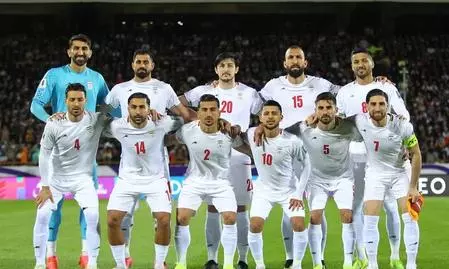
After successive World Cup disappointments, another group-stage exit would be unthinkable for German football. The expanded 48-team tournament format offers a greater margin for error, with 32 teams advancing to the knockout rounds.
While Germany performed strongly in qualifying, questions remain about their ability to compete with Europe’s leading sides after recent struggles against teams such as France, Portugal and Spain.
Defensive stability remains Nagelsmann’s biggest concern. Germany conceded four goals across friendly victories over Switzerland and Ghana in March, highlighting vulnerabilities at the back despite positive results.
In attack, Germany have suffered a setback with the injury absence of Serge Gnabry. However, the team still possesses considerable firepower through stars such as Jamal Musiala and Florian Wirtz.
Nagelsmann has also included 18-year-old Lennart Karl, who recently recovered from a hamstring injury and is regarded as the squad’s potential surprise package for the tournament.

As Germany head into another World Cup campaign, the focus is firmly on ensuring that the painful memories of Russia and Qatar are not repeated and that the nation can once again challenge for football’s biggest prize.
With PTI inputs