Rain disaster: more focus needed on reducing casualties
text_fields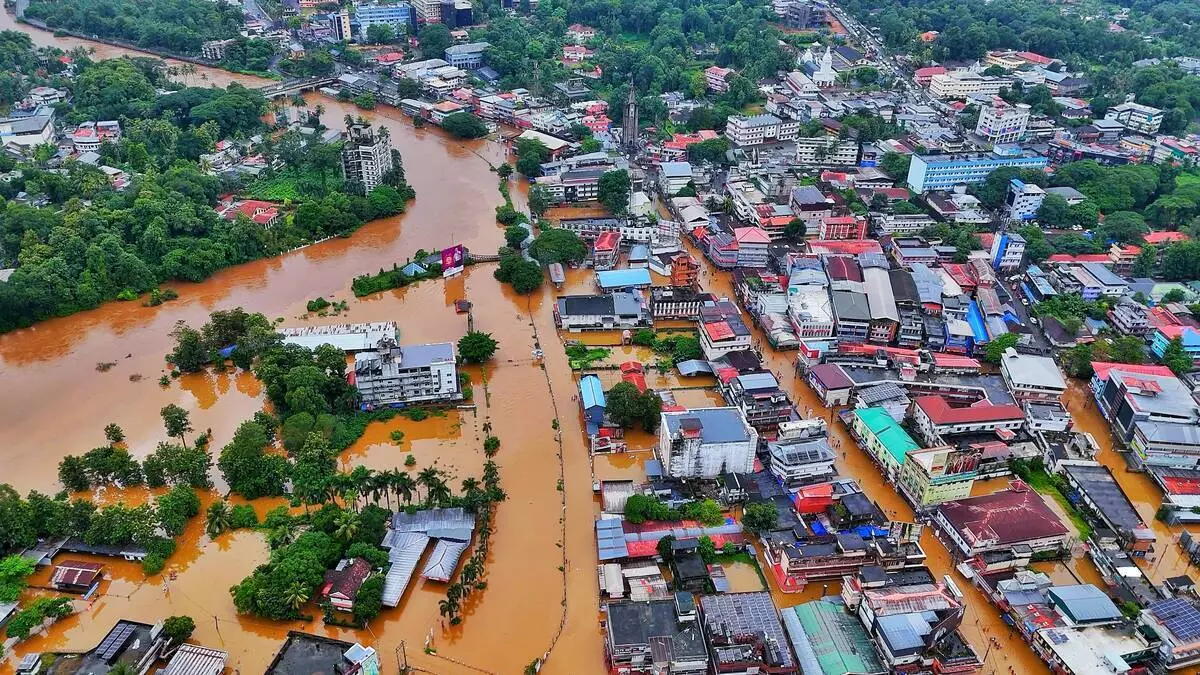

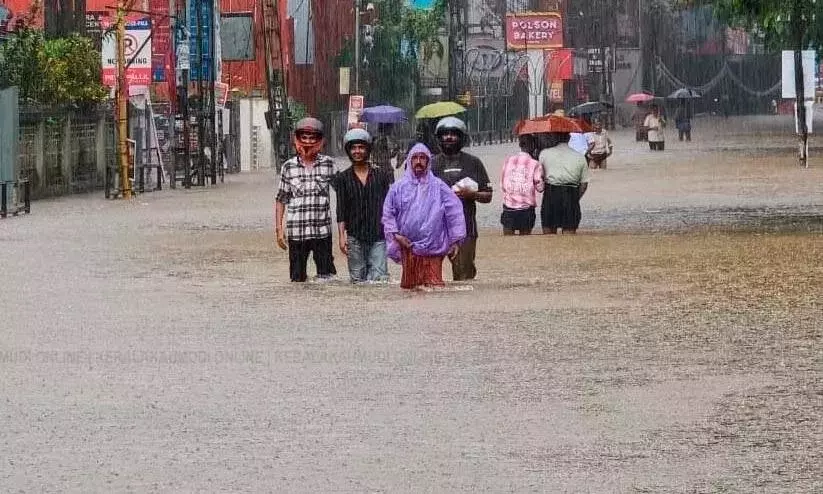
Kerala is once again grappling with the devastation caused by extremely heavy rains. As of the time of writing, 15 people have lost their lives in the torrential rain, floods and landslides that began on Saturday, August 1. More than 11,000 people have been forced to seek shelter in 316 relief camps. Initial estimates indicate that 323 houses were destroyed. In addition, seven people remain missing. The large-scale loss of life and property has placed a heavy burden on the state, making it difficult to cope with the situation. With forecasts warning of continued heavy rainfall, fear has not subsided among the people. The only solace is that, drawing on past experience, the government machinery, the public and voluntary organisations are maintaining a heightened level of vigilance and readiness. It must also be noted that the threat of flooding becomes even more alarming for those living in vulnerable areas when the sea turns turbulent, rivers overflow, water levels in reservoirs rise and dam shutters are opened.
Beyond analysing the causes of the rain-related disasters, what is more material now is to assess how successful Kerala has been in taking measures to prevent such situations, strengthen disaster preparedness and, above all, reduce the loss of life. A proper assessment of the extent of the damage is yet to be made. Only after the official figures are available can the amount of assistance to be provided by the Union government be determined. At the same time, since Kerala is governed by the United Democratic Front (UDF), the Left Democratic Front (LDF) in the Opposition may perhaps turn the government's failure to handle the torrential rains into a political issue, even as the Opposition continues to pledge its cooperation in relief and rescue operations during the disaster. However, the real assessment of measures must focus on how vigilant the state government has been in managing disasters within Kerala's governance and disaster-management framework.
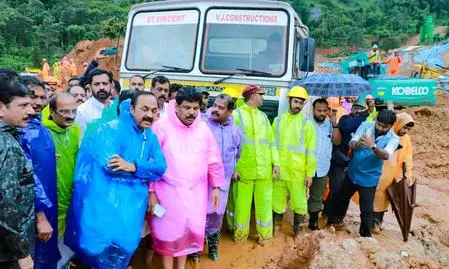
There are limits to the extent to which we can build defences against extremely heavy rainfall and floods, even as it remains a fact that human-induced activities such as reckless construction, tree felling and tunnelling through the earth are interventions in nature with long-term consequences. However, the government can reduce the impact of disasters and provide immediate relief to those affected. The steep natural slopes of Kerala's hilly terrain and the geological formation of its rocky landscape make the region vulnerable to sudden vicissitudes of climate. When heavy rainfall occurs in such areas, or when unscientific construction, deforestation and improper land use take place, the monsoon can trigger multiple forms of disasters. Among the most serious of these are landslides and landslips. Statistics indicate that such incidents occur with greater frequency in Kerala. The Landslide Atlas released in 2023 by the National Remote Sensing Centre (NRSC) of the Indian Space Research Organisation (ISRO) in Hyderabad documented the history of landslides in the Himalayan region and the Western Ghats between 1998 and 2022. According to the atlas, the Western Ghats witnessed less landslides than the Himalayan region, but within the Western Ghats, Kerala recorded a disproportionately high share of these incidents. While the geographical characteristics of a region cannot be eliminated through human intervention, human activities affecting them can certainly be regulated. However, one cannot dismiss the customary criticism that governments, driven by an increasing zeal for development and focused primarily on industrial and tourism expansion, are forgetting the very foundations necessary for human survival.
One of the true indicators of development is the ability to minimise the loss of life caused by disasters. Kerala's ecosystem does not lack the components required to achieve this. Several departments and institutions operate at both the Union and state levels. The India Meteorological Department, which issues weather warnings, the Central Water Commission, the Kerala State Disaster Management Authority, the Health Department, the police and the armed forces, among other agencies involved in disaster management, all have a role to play. The foremost requirement is coordination among these agencies. As part of this, all of them must be mobilised and deployed at disaster sites without any loss of time. This can be effective only with the active involvement of political leadership. In other words, the Chief Minister of the state has the most important leadership role to play in this regard. For now, the political dimensions of the current disaster may be set aside. However, whether the necessary measures were taken in the correct technical order of priority is something that can still be audited. When it comes to public participation, Kerala does not have to learn much from any quarters. But the government's focus now should be on creating an operational framework that brings together this public participation and ensures coordinated disaster mitigation efforts. If such a framework is put in place, it will help minimise the loss of life and property to the greatest extent possible in disasters - at least in the future.