


No dilution of resolve
text_fields

Teachers at a school in the Kozhikode district, having noticed something amiss in the demeanour of a tenth-standard student, decided to search his bag. Inside a school bag meant too carry books, a tiffin box, and a geometry set, they unearthed half a litre of arrack— country liquor. Subsequent inquiries revealed a distressing truth: this was no isolated incident, for such contraband had been brought into the school repeatedly and shared among classmates. This unsettling news has come to light on the very day the world observes International Day Against Drug Abuse and Illicit Trafficking, in a global bid to eradicate the menace of addiction.
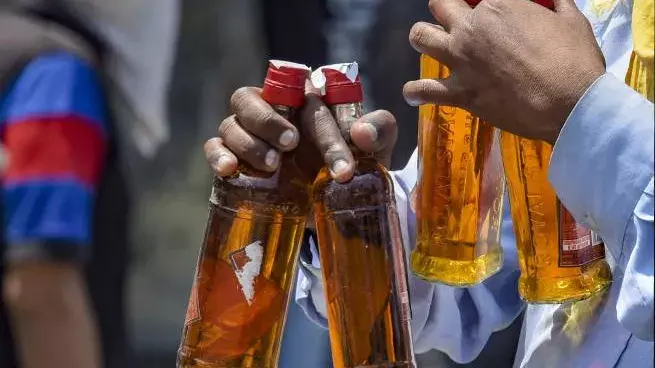
There is scarcely a nation on earth today that stands untethered from the menacing grip of illicit drug traffickers. Day after day, the world bears witness to the harrowing atrocities committed by those who, ensnared by addiction, have surrendered their sanity and forfeited the very right to be deemed human. One need only examine the brutal killings and heinous acts of sexual violence that have plagued Kerala this month to perceive how profoundly alcohol and narcotics strip mankind of its humanity. Dark forces lie perpetually in wait everywhere, at the same time of the federal administration’s attempt to alter the very character of Lakshadweep, a land once untainted by reports of crime or suicide, by allowing alcohol to flood its shores.

The hour has come for all to join hands in the crusade to deliver the world from the stranglehold of addiction. An integral part of this struggle is the unreserved support extended by the common citizenry, as well as religious and social organisations, to ‘Operation Toofan’—an initiative launched by the Kerala Home Department to sever the very roots of illicit drug trafficking networks. Within a mere twenty-one days of the mission’s launch, no fewer than 3,657 cases have been registered and 3,931 individuals apprehended, according to the State Home Minister, Ramesh Chennithala. It is a sobering realisation that so many of these merchants of death, who have been systematically ruining our children and youth, roamed the land freely for so long. The true impact of Operation Toofan will be felt only when the powerful kingpins who shield and orchestrate these syndicates are brought to book swiftly and without fear or favour.
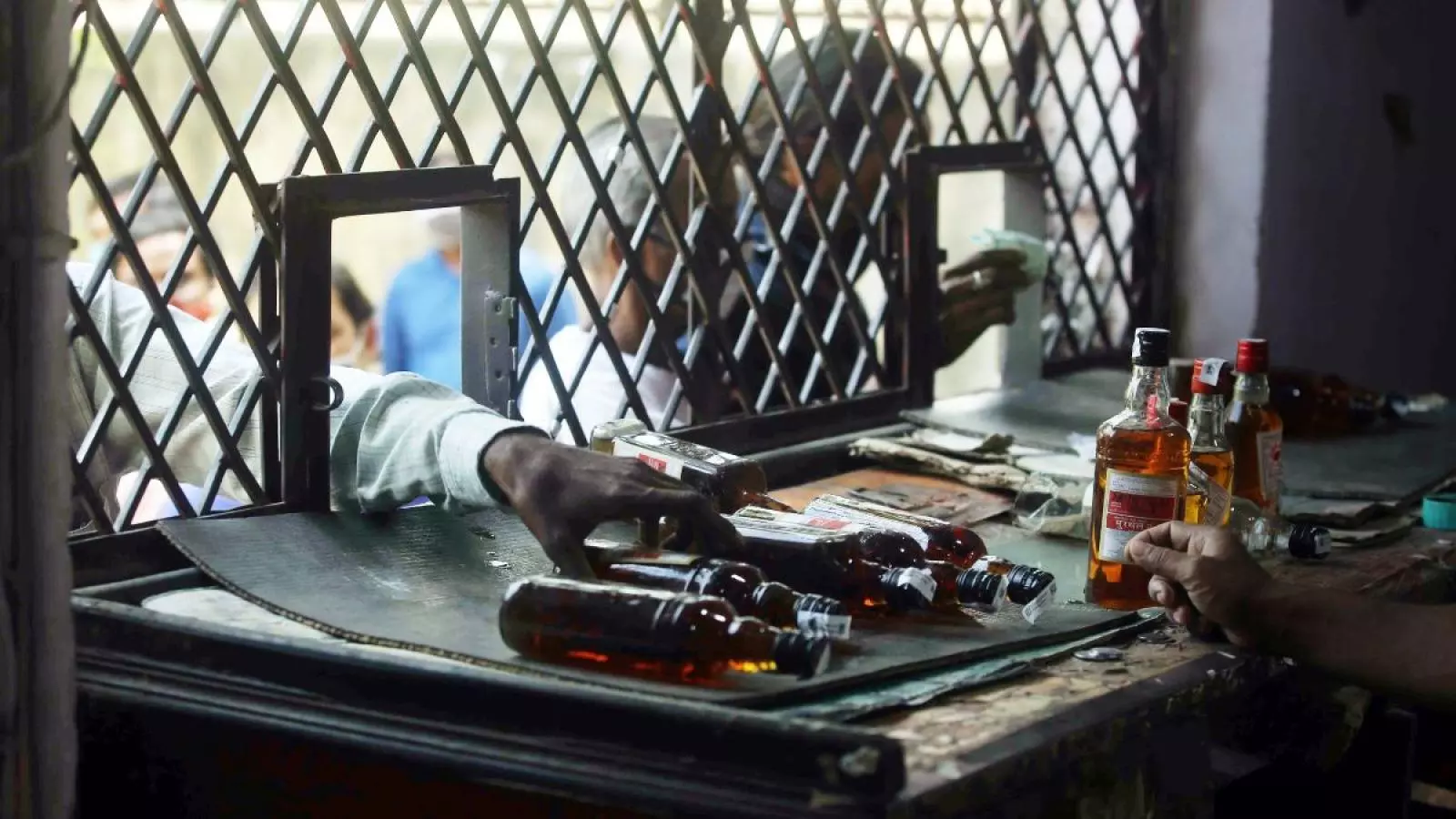
It is profoundly disheartening that the very administration which has declared open warfare on the drug mafia is concurrently advancing measures that facilitate the proliferation of alcohol across the state. The state budget presented by Chief Minister VD Satheesan, who also holds the finance portfolio, adopted a stance that actively encourages the promotion of low-alcohol beverages. Neither Satheesan nor the UDF government can absolve itself by pleading that it was the predecessor government which championed the proliferation of low-alcohol liquor and increased the number of bars from a mere 28 to a staggering 900. Were that logic to hold, are we to understand that the controversial liquor barons, whom the LDF government once welcomed with a red carpet to Elappully in the Palakkad district, will also make a swift return? The electorate did not grant Team UDF a resounding majority merely to execute the policies of the previous regime with even greater zeal; rather, they did so to see those errors corrected and to realise the vision for Kerala put forth during VD Satheesan's Puthuyuga Yatra when he served as Leader of the Opposition. It was for this very leader that the citizens took to the streets at a point when the popular mandate seemed under threat. The Chief Minister's own declaration that "a word given is a promise to be kept" remains indelibly etched in the minds of the people.

From K. Karunakaran onwards, successive UDF Chief Ministers have championed the mission of gradually implementing prohibition in Kerala. It was AK Antony who brought about the ban on country liquor, and Oommen Chandy who curtailed the proliferation of bars. Surely, the architects of this new era of governance in Kerala ought to advance the noble legacy bequeathed by their predecessors and render the state entirely free of the scourge of addiction. While it is indeed a welcome development that the government has retraced its steps—resolving to deliberate the matter within the UDF following fierce opposition from front-line leaders such as VM Sudheeran and various popular collectives—the good intentions of the administration remains under a cloud of doubt. In a matter of such grave consequence, one which so gravely impacts the social fabric of Kerala, what prevented a thorough consultation within the alliance before so regressive a policy was ever proclaimed?

The consumption of low-alcohol beverages is by no means innocuous; rather, it serves as a mere apprenticeship for the subsequent indulgence in high alcohol liquor and lethal intoxicants. A government aligned with the welfare of its populace ought not to fixate upon the millions flowing into the exchequer through liquor sales; instead, it should ponder over the grievous losses incurred when public health is ruined, and the peace of society is shattered. If the administration delays its course correction until incidents akin to the aforementioned incident have spread all over, the situation will by then have spiralled out of its hands.