













Impeachment move against the Chief Election Commissioner
text_fields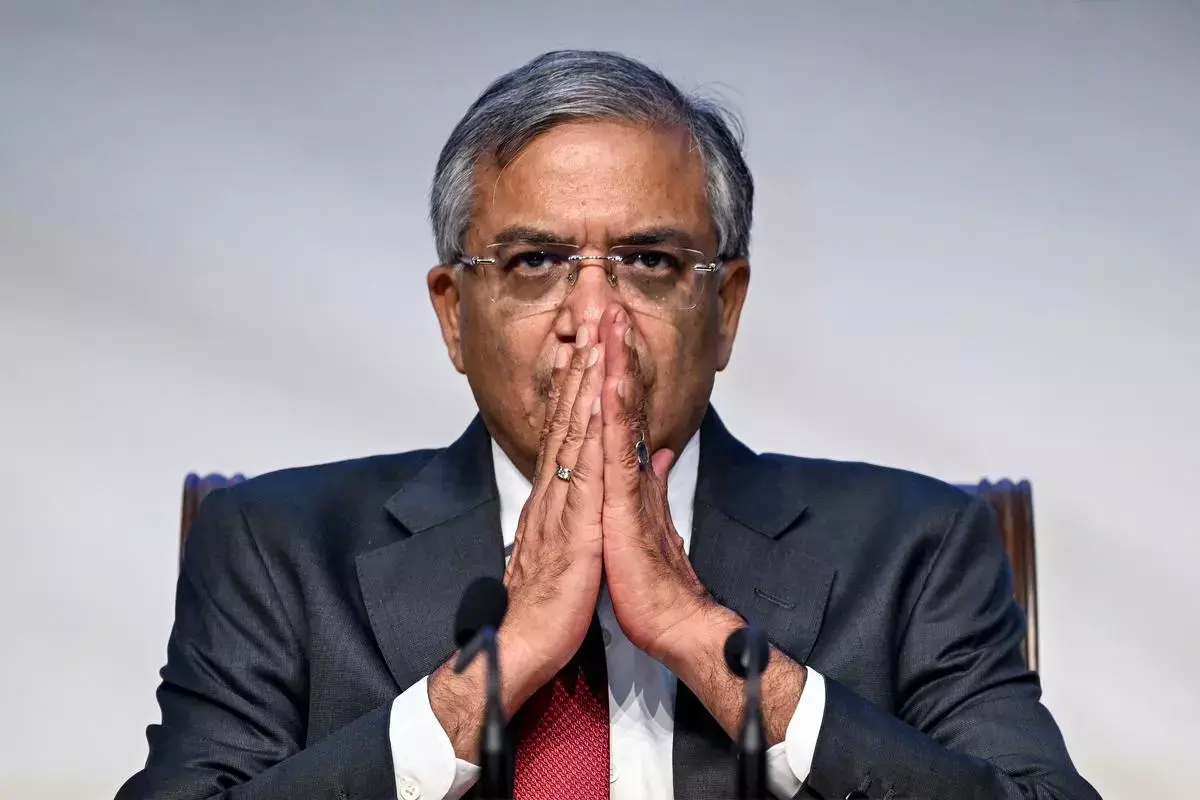

With the announcement of Assembly elections in five states—Kerala, Tamil Nadu, Union Territory of Puducherry, West Bengal and Assam—by Central Election Commissioner Gyanesh Kumar on Sunday, March 15, the respective states are switching to election mode. The strength and effectiveness of democracy lie in the proper conduct of elections, which are its cornerstone. The constitutional body entrusted with this responsibility is the Election Commission of India. However, serious complaints regarding the impartial functioning of the Election Commission of India have been increasing in recent times. From fixing polling dates in a manner that allows the Prime Minister and ministers ample time for campaigning to implementing several decisions in line with the interests of the ruling party, the Commission has often had to face considerable criticism. Most recently, the removal of names through the Special Intensive Revision (SIR) of Voter List has led to serious criticism.
However, the criticism now faced by Chief Election Commissioner Gyanesh Kumar is not limited to mere allegations. For the first time in history, a notice seeking an impeachment motion demanding the removal of the Chief Election Commissioner from office has been submitted with the signature of 193 opposition members of Parliament. The notice submitted on Friday, March 13, was signed by 130 members of the Lok Sabha - the prescribed minimum being 100 - and 63 members of the Rajya Sabha where the minimum signatures required is 50. They have raised seven major charges salient among them being partisan and discriminatory actions taken while in office, deliberate obstruction of investigations into electoral irregularities, and the mass denial of voting rights. Among these, the most crucial allegation concerns the recent actions carried out through SIR, which are said to have removed voters on a massive scale in line with the interests of the ruling Bharatiya Janata Party.
It is estimated that, over the past eight months, 61.3 million voters have been removed in this manner across ten states and three Union Territories in the country. Among them, hundreds of thousands of voters have been struck off the rolls in states such as West Bengal, Assam, and Bihar. The SIR is conceived as a process to update the electoral rolls and ensure their accuracy and cleanliness by recording demographic changes caused by deaths, relocations, migration and duplication. However, this time it has been used primarily to exclude what are described as “infiltrators”. In reality, this agenda, of determining citizenship and exclusion based on that, is not one that originates from the Election Commission of India but from the Bharatiya Janata Party, the leading party of the Central government. Yet, on this issue, the positions of the two appear to converge. The strategy of the Bharatiya Janata Party is to brand a significant section of the Muslim population residing in the states concerned as infiltrators from Bangladesh.
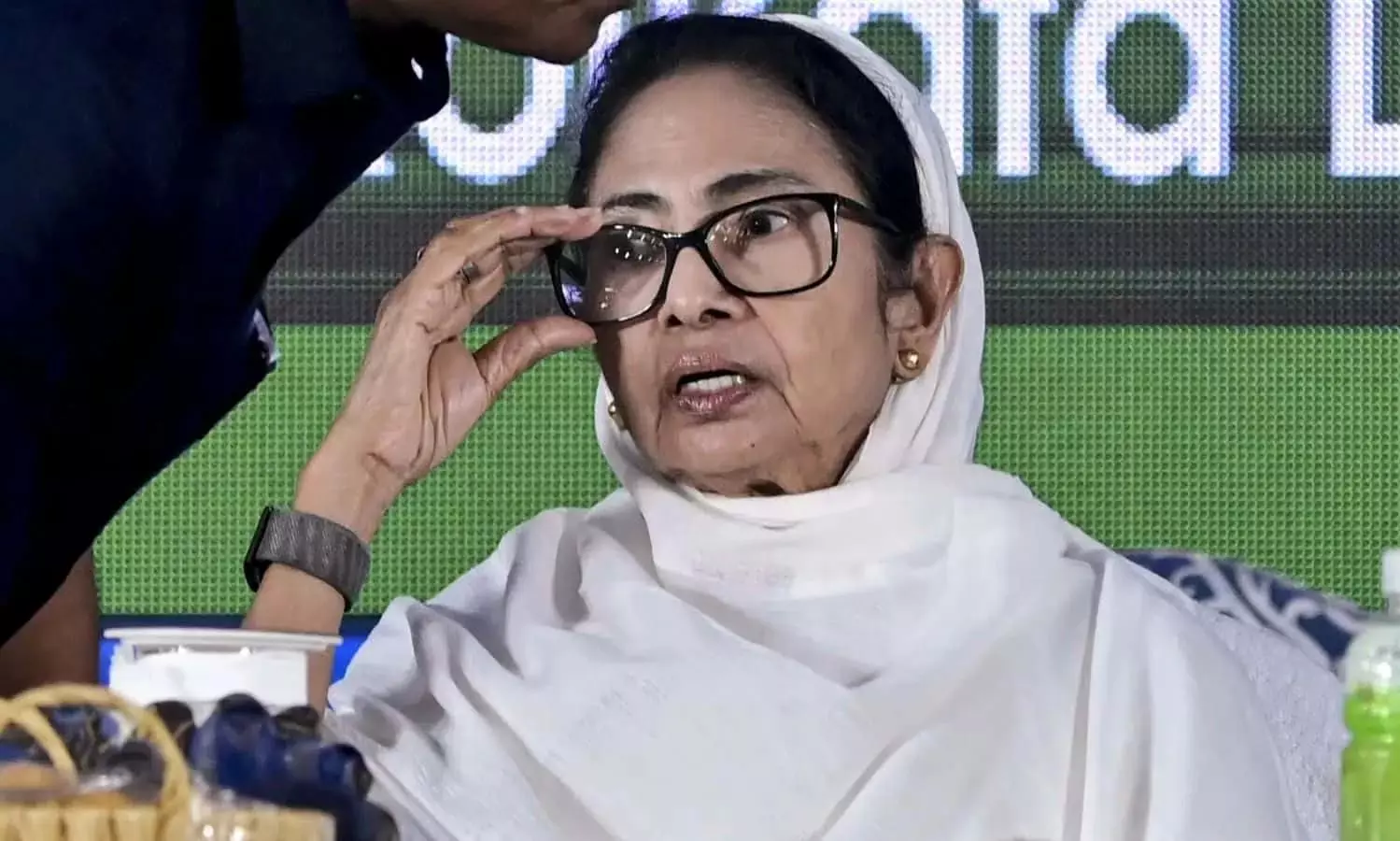
The same narrative articulated by the Election Commission led by Gyanesh Kumar is also being employed by the Bharatiya Janata Party. Union Home Minister Amit Shah and Assam Chief Minister Himanta Biswa Sarma have repeatedly stated that they will rest only after removing the lakhs of “infiltrators” who have come from Bangladesh.Unlike the SIR exercises conducted earlier, this is the first time that such a process has effectively been transformed into a citizenship verification measure. In fact, the responsibility of determining citizenship should lie with the Ministry of Home Affairs and, at the lower administrative levels, with district revenue officials. When the Election Commission of India now places itself in that role, it effectively becomes an instrument assisting the ruling establishment. Although a delegation of the All India Trinamool Congress approached him more than once to discuss this and other actions taken by the Chief Election Commissioner according to his own discretion, he reportedly refused to provide satisfactory answers or explanations to the questions raised. Moreover, the same was the case even when Mamata Banerjee herself met him directly. They also allege that he behaved in a manner that showed little regard for the delegations that met him.
The current method of appointing members to the Election Commission of India itself tends to make it compliant with the ruling side. Earlier, the appointment of the Commission had been made by the government, but this was modified by the Supreme Court of India in March 2023. The Court had laid down that until an appropriate law is passed, the appointment should be made by the President based on the recommendation of a panel comprising the Prime Minister, the Leader of the Opposition, and the Chief Justice of India. However, the Bharatiya Janata Party government soon altered this through legislation by replacing the Chief Justice with a Union Minister, effectively ensuring that the appointment would be decided by a two-thirds majority of the executive. Appointed as Chief Election Commissioner through this method, it is therefore natural that Gyanesh Kumar would show allegiance to the ruling dispensation. Now for impeachment of the CEC, since the passage of such a motion requires both a two-thirds majority of those present and voting as well as an absolute majority of the total membership, the chances of the motion being adopted are slim. Nevertheless, if it is taken up for discussion, several related issues will inevitably come under debate and public attention. One can only hope that this will at least help strengthen the foundations of democracy, regardless of Gyanesh Kumar continuing in the same role or not.