


Gunfire pause in West Asia
text_fields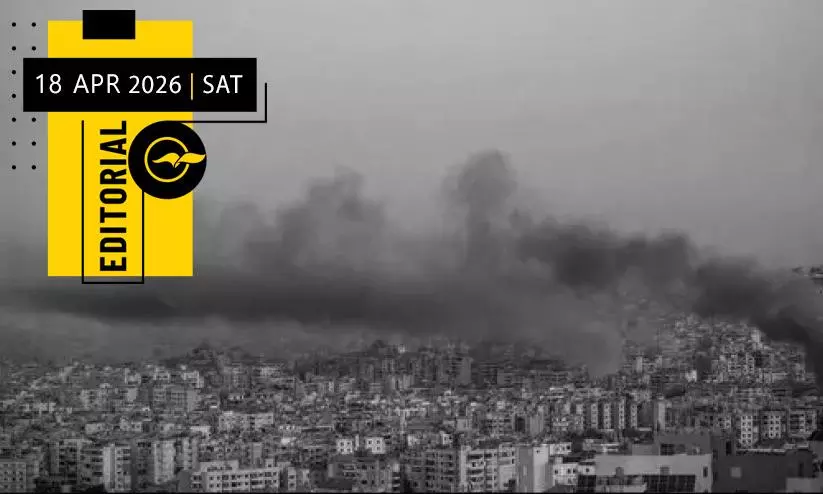

The US-Israeli coalition has declared a ceasefire in Iran and Lebanon, bringing a significant reduction in tensions in the Middle East. Although it is not yet certain that peace has been restored, the world is eagerly watching the progress being made. On February 27, 2026, after US President Donald Trump expressed dissatisfaction with the US-Iran Geneva nuclear talks, the US and Israeli military launched an airstrike on Iran the following day, codenamed Operation Epic Fury. The coalition forces, which killed Supreme Leader Ayatollah Ali Khamenei and others, dealt a heavy blow to Iran on the first day. Iran launched a counterattack targeting US military bases in Gulf countries in the following hours, turning West Asia into a conflict zone. The war took on new dimensions when the Lebanese militant group Hezbollah launched a missile attack on Israel in protest against Khamenei’s assassination. The Israeli army (IDF) launched airstrikes on Lebanon on March 2, using Hezbollah’s attack as a pretext, followed by a ground offensive a few days later, pushing the western region of the continent towards an all-out war. Iran imposed strict controls on the Strait of Hormuz to contain its adversaries and paralysed the global oil market, effectively escalating the situation into a ‘world war’. With the US attempt to seize the Strait of Hormuz failing and the oil market crisis persisting, Trump and his team, compelled to turn to diplomacy and consensus, finally agreed to a two-week ceasefire with Iran on the 39th day; they then entered talks mediated by Pakistan. Although the talks in Islamabad last week did not result in any agreement, both sides agreed to continue discussions and extend the ceasefire.
Since the ceasefire in Iran came into effect, there have been no reports of attacks in Gulf countries. Life there is gradually returning to normal. While the question of how long this peace will last still remains, an observation of recent global political developments makes it clear that the allied nations are unlikely to engage in any reckless moves again. The justification offered by Trump and Netanyahu for the Iran offensive was that Iran was developing nuclear weapons and that the intervention was necessary to “save” the world by overthrowing the regime. After five weeks of war, not only was this objective not achieved, but the US was forced to accept demands that Iran had been raising for years as part of the ceasefire agreement.
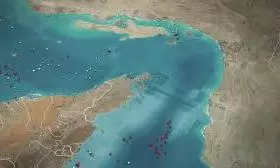
It was after Donald Trump, following the outbreak of war, announced that he would establish control over Strait of Hormuz and seize Iran’s oil facilities that Iran completely shut the strait, bringing global oil trade to a halt; at the same time, it also attacked US oil facilities in the Gulf countries. Realising that the situation was spiralling out of control, countries that had initially considered supporting the US either urged Trump to end the war or chose to remain neutral. This strained US relations with Europe. Britain, which had made it clear that it would not allow United States and Israel to use its military bases to attack Iran, has now joined hands with France to form a new alliance aimed at ending the uncertainty in the Strait of Hormuz. The fact that China and Russia supported Iran at the UN Security Council on the Hormuz issue further undermined America’s standing. As the war continued to disrupt global markets, domestic opposition to Trump also intensified. In reality, Trump was compelled to turn to consensus-based negotiations after facing setbacks on multiple fronts.
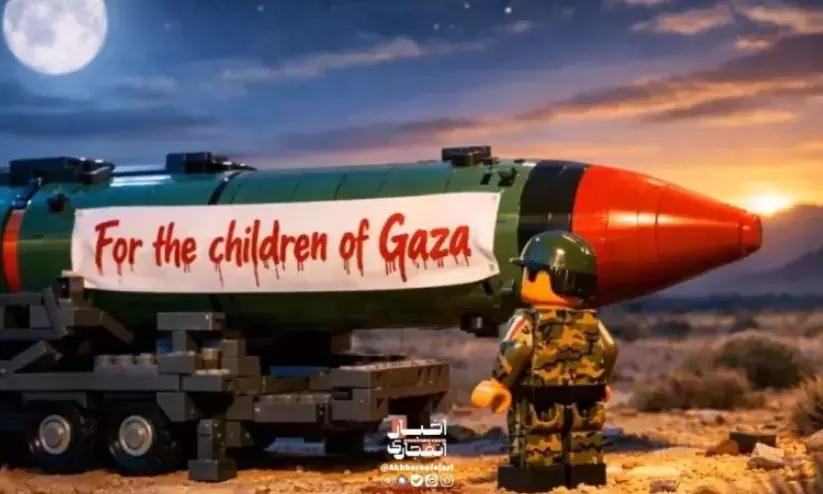
Politically, the war has dealt a major blow to both Trump and Netanyahu. At the same time, the losses suffered by Iran and Lebanon cannot be overlooked. More than 6,000 people have been killed in both countries. Nearly 100,000 buildings have been destroyed. In Lebanon alone, 1.5 million people have been internally displaced. Iran has long been under surveillance and sanctions imposed by major powers. Despite the impact of sanctions, the coalition forces destroyed the power plants and other assets they had built. Although a recovery is not impossible, it will not be easy. However, the country’s strength — and the lesson it has offered to the world — is that it has not retreated even an inch from its declared position that it will not mortgage its sovereignty to anyone.