


















Japan suspends Indian mango imports over pest control concerns
text_fields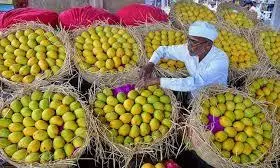

Japan has suspended mango imports from India after quarantine officials found lapses in pest-control procedures at an Indian treatment facility during inspections earlier this year, affecting exports during the peak summer season.
The suspension is the first such restriction imposed by Japan on Indian mangoes in nearly 20 years. Japan had earlier banned Indian mango imports over fruit fly concerns and lifted the curbs in 2006 after India strengthened its treatment protocols.
The latest action follows an inspection conducted in March at a Vapour Heat Treatment (VHT) facility in Rehmanpur, Uttar Pradesh. Japanese quarantine officials reportedly identified deficiencies related to fumigation and disinfection procedures. Authorities from both countries have not publicly disclosed the exact technical issues found during the inspection.
Under the export agreement between India and Japan, mangoes must undergo mandatory VHT treatment, a non-chemical process using controlled hot and humid air to eliminate pests and fruit fly larvae.
Following the inspection, Japan’s Yokohama Plant Protection Association announced that Indian mango shipments carrying inspection certificates issued after March 25, 2026, would no longer be accepted.
The suspension affects premium Indian mango varieties, including Alphonso, Kesar, Langra, and Banganapalli.
Although Japan is not India’s largest mango export market, exporters say the ban is significant because Indian mangoes command premium prices there. Exporters also fear the move could affect confidence in India’s agricultural quality-control systems among other importing countries.
The development comes at a difficult time for mango growers, particularly in Maharashtra’s Alphonso-producing regions, where farmers have reported severe crop losses due to extreme heat and erratic weather linked to the El Niño climate pattern. Government-backed surveys have estimated losses of up to 85 to 90 per cent in some areas.