














UK to host conference on reopening Strait of Hormuz, says Starmer
text_fields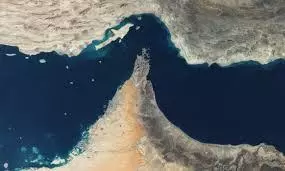

British Prime Minister Keir Starmer said the United Kingdom will host an international conference this week to discuss reopening the Strait of Hormuz, as 35 countries backed a joint effort to restore maritime security in the vital shipping route.
Starmer said the meeting would examine diplomatic and political options to restore freedom of navigation, ensure the safety of trapped ships and crews, and restart the movement of oil and other essential goods through the strait.
He added that military planners would meet after the conference to consider how participating countries could secure the waterway once fighting ends.
Thirty-five countries have signed a joint statement supporting the effort, including France, Germany, Italy, Japan, and the Netherlands.
Starmer warned that the impact of the Gulf War could "define us for a generation" and compared the potential consequences to the energy crisis of the 1970s.
His comments came after sharp criticism from US President Donald Trump, who told countries that did not join the US strikes on Iran to "go get your own oil".
Trump accused countries, including the United Kingdom and France, of refusing to take part in the campaign against Iran and said they should secure the Strait of Hormuz themselves. He also warned allies to "start learning how to fight for yourself" because the United States would no longer guarantee their protection.
Relations between Starmer and Trump have worsened since Britain declined to join the US-Israeli military campaign against Iran. Starmer initially rejected a US request to launch attacks from two British bases, but later approved what his government described as defensive missions to protect people in the region, including British citizens.
Responding to Trump's remarks, Starmer said the US and UK remained close allies, but added that he would act in Britain's national interest.
Iran has threatened to target ships attempting to cross the Strait of Hormuz, disrupting nearly one-fifth of global oil and gas supplies and increasing energy concerns in countries including India and China.