














Saudi Arabia bans employers from charging domestic workers recruitment, permit fees
text_fields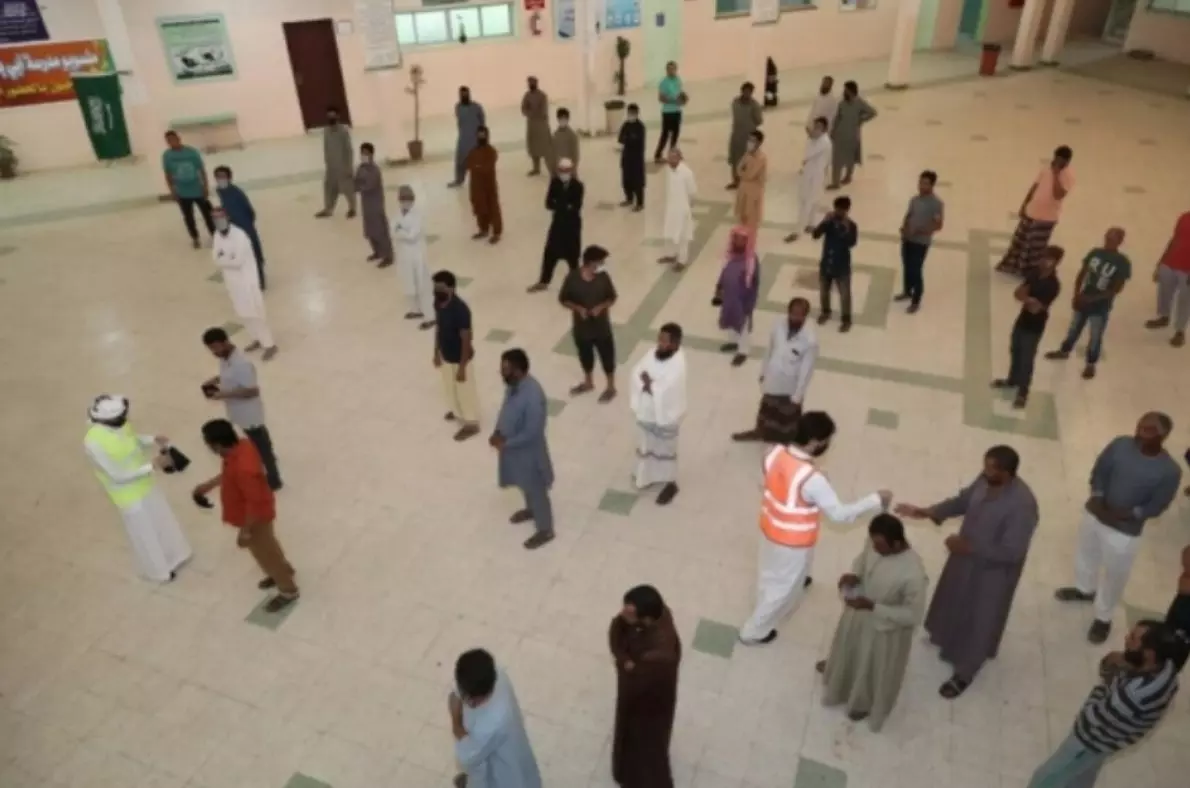

Saudi Arabia’s Ministry of Human Resources and Social Development has prohibited employers from charging any fees to domestic workers, including those related to recruitment, work permits, transfers of service or changes in profession.
Employers found violating the rule face fines of up to SR20,000 and a three-year ban on recruiting domestic workers. Repeat offenders could face permanent bans, according to the ministry’s new Guide to the Rights and Obligations of Domestic Workers, obtained by Okaz.
The guide outlines a comprehensive framework regulating employer-employee relations in the domestic sector. It guarantees domestic workers several rights, including payment of wages in line with the unified employment contract, a weekly rest day, at least eight continuous hours of daily rest and one month of paid leave after two years of continuous service.
Workers are also entitled to a return ticket to their home country every two years at the employer’s expense, an end-of-service gratuity equivalent to one month’s salary after four consecutive years and up to 30 days of paid sick leave annually with medical documentation.
The guide explicitly affirms the right of domestic workers to keep their passports, iqamas and other personal documents without confiscation.
Employers are required to provide suitable housing and food or pay an allowance, issue and renew residency permits at their own expense, ensure regular wage payments, and allow workers to communicate with their families. Employers must also provide health care and avoid assigning work that could harm the worker’s health or dignity.
Domestic workers, in turn, are required to perform their duties responsibly, respect Saudi customs and laws, maintain household confidentiality, and refrain from leaving their jobs or working for others without legitimate cause.
Permitted job titles under the regulations include domestic worker, private driver, home nurse, cook, tailor, house manager, butler and personal assistant, among others.
The ministry said the new rules are part of the Kingdom’s effort to ensure fair treatment and protect the rights of both employers and domestic workers.