













Mosquito-borne diseases seen as rapidly growing threats to humanity: Study
text_fields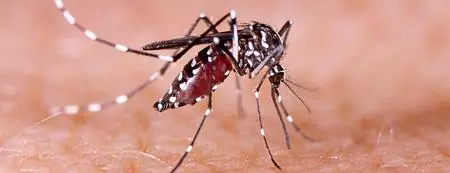

New Delhi: A global survey of more than 3,700 health experts and researchers from 151 countries indicates that mosquito-borne illnesses like malaria and dengue may be emerging as the fastest-growing threats to global health.
The survey suggested that tuberculosis and HIV/AIDS could follow close behind. They also pointed to climate change as a major factor driving the rise in these diseases.
Respondents—most of whom were from low- and middle-income nations—felt that widening socioeconomic inequality, which affects access to healthcare, is likely to worsen the situation. They further noted that antimicrobial resistance, which weakens the effectiveness of treatments for a wide range of infections, could also play a significant role in accelerating the spread and severity of diseases.
Climate change, poverty and drug resistance could be coming together to create an escalating health crisis that could become a “creeping catastrophe” if left unaddressed, findings published in the journal Scientific Reports say, PTI reported.
“Whilst there remains the possibility of a new pathogen emerging anywhere in the world, our results reveal a consensus that the next pandemic might not be a sudden event but could creep up as a slowly-building humanitarian disaster, as the catastrophic burden of endemic diseases escalates and hits new, vulnerable communities across different geographies,” authors from the UK’s University of Oxford wrote.
Studies have shown that rising temperatures and changing rainfall patterns due to global warming are creating conditions conducive for mosquitoes to breed.
Senior author Trudie Lang, director of The Global Health Network at University of Oxford’s Nuffield Department of Medicine, said the study provides “evidence from communities experiencing these threats from climate change right now across the Global South, where disease burdens are highest”.
The regions are under-represented and not collectively voiced, but data and insights are grounded in lived experience and global diversity, Lang said.
“Our research clearly demonstrates that the next major health emergency may not be a sudden new outbreak, but the steady worsening of the quiet diseases that shorten lives every day,” the senior author said.
The researchers added that the risk of the health emergency will not present as a dramatic outbreak, but as a slow-unfolding humanitarian disaster where endemic diseases spread into new geographies — impacting health systems and economies.
“Climate change is driving the spread of infectious diseases, and it’s hitting hardest in communities least able to adapt,” said Josie Golding, head of epidemics and epidemiology, infectious disease, Wellcome Trust, UK, which commissioned the research project.
“Rising temperatures, floods, and droughts create ideal conditions for mosquitoes, ticks, and harmful bacteria to thrive, while extreme weather adds strain to already fragile health systems,” Golding said.
Urgent global climate action is needed, along with an investment in innovative solutions to prevent and treat infectious diseases — acting on both fronts is essential, Golding said.