













Load shedding returns as Kerala battles worsening power crisis
text_fields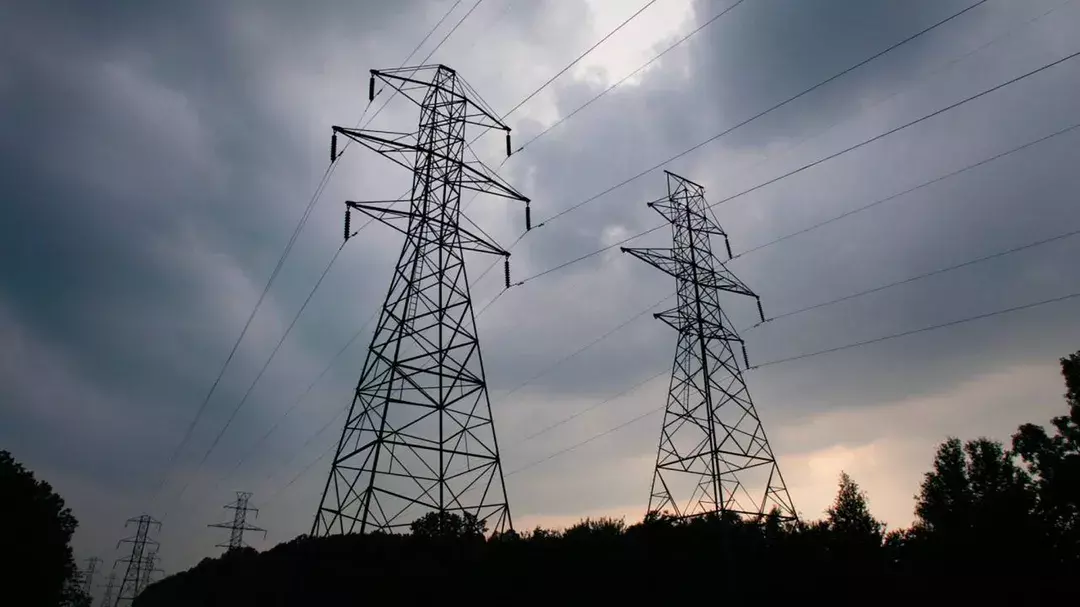

Thiruvananthapuram: Kerala is grappling with one of its worst power crises in recent years as a weak southwest monsoon has sharply reduced water levels in the state's hydroelectric reservoirs, forcing the re-introduction of load shedding and raising questions over the government's preparedness to tackle the worsening electricity shortage.
Water storage in reservoirs managed by the Kerala State Electricity Board (KSEB) has fallen to just 29 per cent, leading to a steep decline in hydroelectric generation. The state's major reservoirs, including Idukki and Sabarigiri, are operating with barely one-third of their storage capacity, compared with more than double that level during the same period last year.
As a result, Kerala's domestic power generation has dropped from 44.221 million units to 16.608 million units, significantly reducing the state's ability to meet electricity demand through its own resources.
The crisis has spread beyond the state's largest hydroelectric projects. Reservoirs at Sholayar, Idamalayar and Kundala are also under severe stress, while Mattupatty has only 10 per cent storage remaining. Power generation at projects dependent on the Sabarigiri system, including Kakkad, Allunkal and Karikkayam, has virtually come to a standstill.
Meanwhile, Kerala's daily electricity consumption has risen to 88.64 million units. Of this, 68.81 million units are being procured from outside the state at a high cost, making Kerala heavily dependent on external supplies. Any disruption in these purchases could result in widespread blackouts.
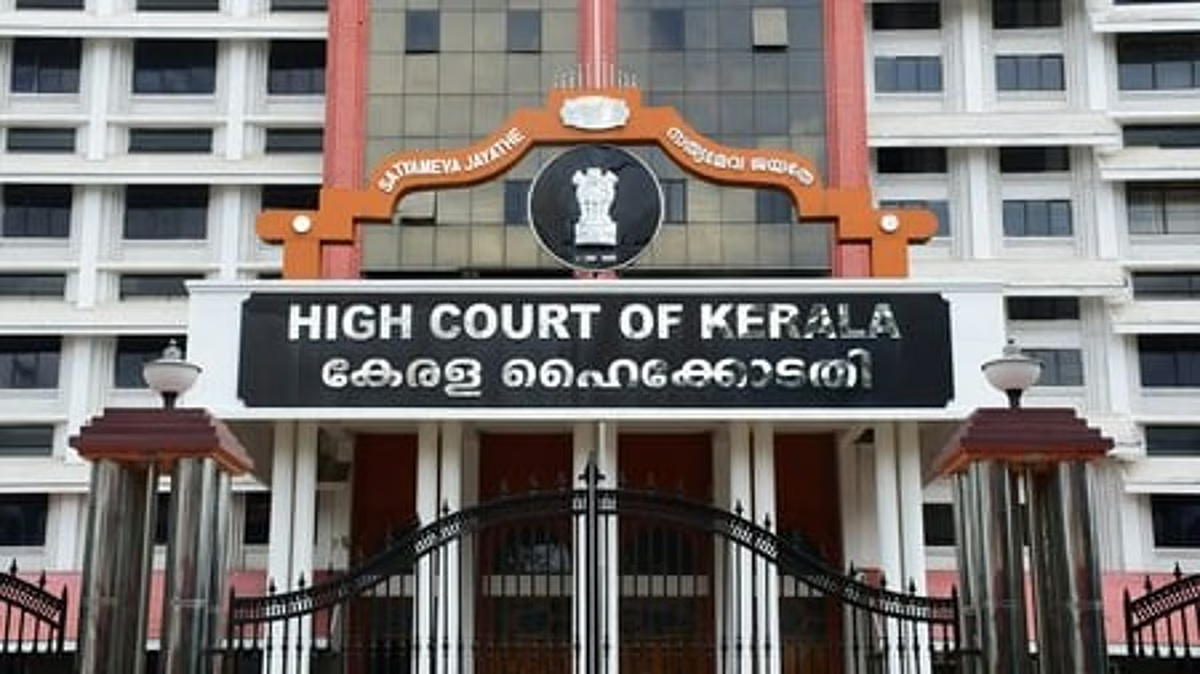
Electricity Minister Sunny Joseph on Thursday acknowledged the seriousness of the situation, saying electricity consumption has increased sharply and it is impossible to predict how long power restrictions will continue.
He said Kerala is also required to return electricity that was earlier procured under power exchange arrangements, while reduced allocation from the Central power pool has further aggravated the crisis.
The prolonged power cuts have also sparked a political row.
Former Education Minister and CPI(M) leader V. Sivankutty took a swipe at the United Democratic Front (UDF) government, posting on social media that while "the sun keeps people energised during the day, Sunny keeps them troubled at night" -- a pun on the electricity minister's name and a reference to the nightly outages amid unusually hot monsoon conditions.
Rejecting allegations of administrative failure, Sunny Joseph said similar power restrictions had been imposed during the previous Left Democratic Front (LDF) government. He also announced plans to expand battery energy storage capacity as a long-term solution to strengthen the state's power infrastructure.
The return of load shedding has triggered widespread public frustration, with power cuts affecting urban centres and even disrupting a public function attended by Chief Minister V.D. Satheesan, underscoring the scale of the challenge facing the government.
With reservoir levels continuing to decline and no immediate relief in sight, Kerala faces an increasingly uncertain power situation in the weeks ahead.
With IANS inputs