









Questions emerge over justice Sharma hearing ECI case as son is EC lawyer
text_fields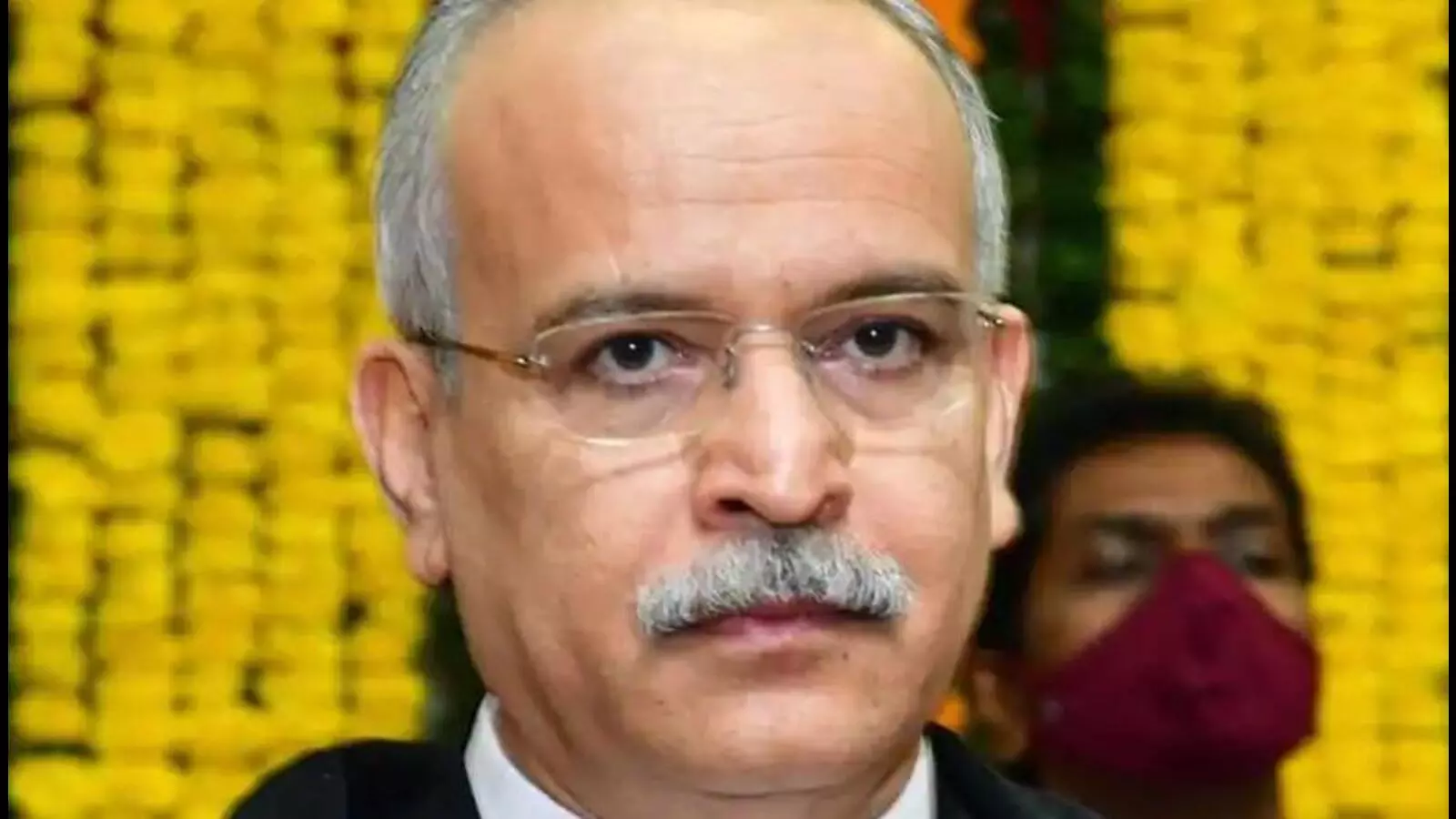

New Delhi: Opposition leaders and legal observers have raised questions over the judicial propriety of Supreme Court Justice Satish Chandra Sharma hearing petitions challenging the constitutional validity of a 2023 law governing the appointment of members of the Election Commission, after it emerged that his son is the standing counsel for the poll panel in the Madhya Pradesh High Court.
According to Live Law, it was not clear whether Justice Sharma had disclosed his son's professional association with the Election Commission to the petitioners challenging the Chief Election Commissioner and Other Election Commissioners (Appointment, Conditions of Service and Term of Office) Act, 2023, before hearing the matter.
Justice Sharma was part of a two-judge bench with Justice Dipankar Datta that heard the petitions challenging the 2023 Act. On Wednesday, Sharma differed with Datta over whether the matter should be referred to a Constitution Bench. Sharma favoured a larger bench, while Datta held that such a reference was unwarranted. The matter was subsequently referred to a Constitution Bench.
The 2023 Act provides for the Chief Election Commissioner and the two other Election Commissioners to be appointed on the recommendation of a selection committee comprising the Prime Minister, a Union Cabinet minister nominated by the Prime Minister and the Leader of the Opposition in the Lok Sabha.
The composition gives the government a 2:1 majority on the panel if there is a difference of opinion.
On Wednesday, Justice Datta had questioned whether the existing appointment process ensured an independent selection process. Justice Sharma, in his opinion, prima facie approved the existing process and held that the selection committee could not be considered biased merely because it had an executive majority, according to Live Law.
On the same day, a bench headed by Justice Sharma also heard petitions filed by Gautam Buddh Nagar District Magistrate Medha Roopam and the Uttar Pradesh government challenging an Allahabad High Court order concerning the detention of Delhi University student Akriti Chaudhary under the National Security Act.
The Allahabad High Court had quashed Chaudhary's detention and directed that Rs 5 lakh be paid to her as compensation, with the amount to be recovered from Roopam's salary. The Supreme Court bench subsequently stayed the High Court's strictures against Roopam and the compensation direction. The Supreme Court later clarified that its stay was limited to those portions of the High Court order and did not stay the quashing of Chaudhary's detention.
Roopam is the daughter of Chief Election Commissioner Gyanesh Kumar.
The matter being listed before Justice Sharma's bench also drew questions because the bench did not have the roster for preventive detention matters under the Supreme Court's roster in force from July 13, 2026, according to Live Law. Connected matters arising from the same workers' protest were pending before a bench headed by Justice BV Nagarathna.

The Madhya Pradesh High Court's website, according to Live Law, records that Justice Sharma's son, who enrolled as an advocate in 2017, has been the Election Commission's standing counsel in the Madhya Pradesh High Court since 2024. He has also been standing counsel for the Central Board of Direct Taxes and the Income Tax Department since 2023.
Saurav Das, convenor of the Cockroach Janta Party political campaign and a legal journalist, questioned how a judge could be expected to deliver “impartial and fair” justice in politically sensitive cases when family members have government legal engagements.
“...his son holds not one, not two, but four big, plum government counsel panels, including income tax department, GST [Goods and Services Tax], customs, and excise, and a Madhya Pradesh government lawyer panel,” Das wrote on X.
Trinamool Congress leader Mahua Moitra alleged that Justice Sharma's disagreement with Justice Datta over the 2023 Act was linked to his son's role as counsel for the Election Commission. “Judiciary is protector – cannot be predator,” she wrote on X.
Live Law reported that the issue has raised broader questions about judicial propriety and the appearance of potential conflicts of interest, while noting that it was not clear whether Justice Sharma had disclosed his son's professional connection with the Election Commission to the parties in the two matters.