Are Keralites making a custom of mob lynching?
text_fields

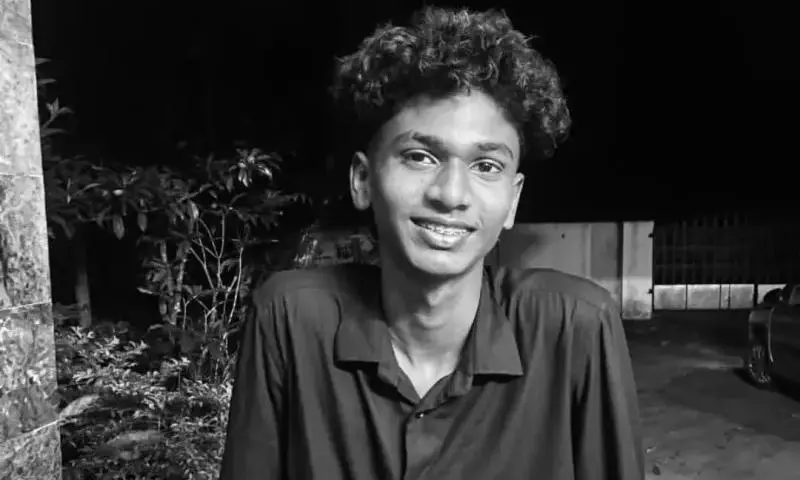
Kerala takes pride in the world calling it 'God's Own Country'. While many other parts of the nation view people with discrimination based on religion, caste and ethnicity, Kerala used to stand out as a place where everyone could live in peace. But now mob violence and hate-motivated killings—phenomena that are now commonplace in states like Uttar Pradesh, Bihar, and Madhya Pradesh—are no longer rare occurrences on Kerala’s own soil. Given this new situation, how valid would be the claims and accolades of pride that the state has long upheld? Now it is in Palakkad—a district often regarded as a bastion of traditional rural virtues amidst a rapidly urbanizing Kerala--that yet another instance of mob lynching has occurred. In Chittur Moolathara, a group of young men brutally murdered a young man from Tamil Nadu—who made both ends meet by begging—by striking him with wooden logs and hitting him with stones. One can imagine the intensity of the toxic malice harbored by those who went after this man—who was dumb—as he fled in unbearable agony, only to be beaten to the ground.
In many instances of mob lynching, the perpetrators offer various justifications—such as the suspicion that the victim was a thief. A few months ago, in Walayar, Palakkad district, a man named Ramnarayan Baghel—a native of Chhattisgarh—was beaten to death by Sangh Parivar activists, who suspected him of being a ‘Bangladeshi.’ When the reason for the brutal killing in Chittur was probed, it turned out that the ‘death sentence’ was carried out because the victim had made a habit of sleeping in front of someone’s house! If the arrival of someone seeking alms is unbearable, one could simply send him away empty-handed; if someone sleeping near the house infringes upon one’s privacy, one could wake him up and ask him to leave; or, alternatively, one could seek the assistance of the police. Without resorting to any of these steps, what justification could there be for completely eliminating from the face of this earth a person who was nameless, mentally unstable, and lacked even a roof over his head?
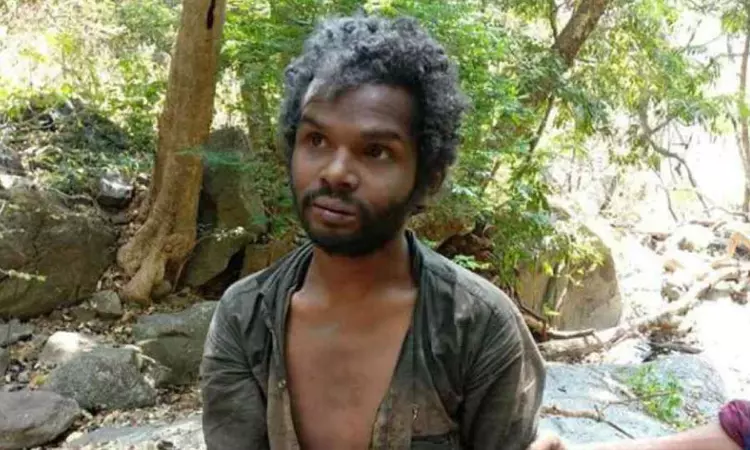
It was in February 2018 that Madhu, a tribal youth from the Kadukumanna settlement in Attappadi, was bound by rope, beaten, and murdered—allegedly for taking food to satisfy his hunger. This was not the first instance of mob violence in Kerala. Yet, the image of Madhu—innocently smiling before the mobile cameras of his attackers, unaware of what was unfolding—deeply shook the conscience of Kerala. Practically every Keralite silently vowed that such an atrocity would never be repeated on this soil. Despite the floods and the COVID-19 pandemic—events that served as stark reminders that human arrogance and self-importance can be uprooted in an instant—Kerala has forgotten that vow. On February 11, 2023, Viswanathan—a young tribal man from Paravayal Colony in Kalpetta, Wayanad—arrived at the Maternal and Child Health Centre at the Kozhikode Medical College to visit his wife and their firstborn baby, but only to be subjected to a 'mob trial' and brutal physical assault by people who accused him of stealing a mobile phone and money. It did not take long for Viswanathan to be found lifeless, hanging from a tree branch. To this day, it remains unclear whether he chose to leave this world—realizing that a world capable of imposing the burden of a crime he did not commit was no place for him—or if he was hunted down and killed by those who, in their cruelty, sought to vent their rage through savage violence.
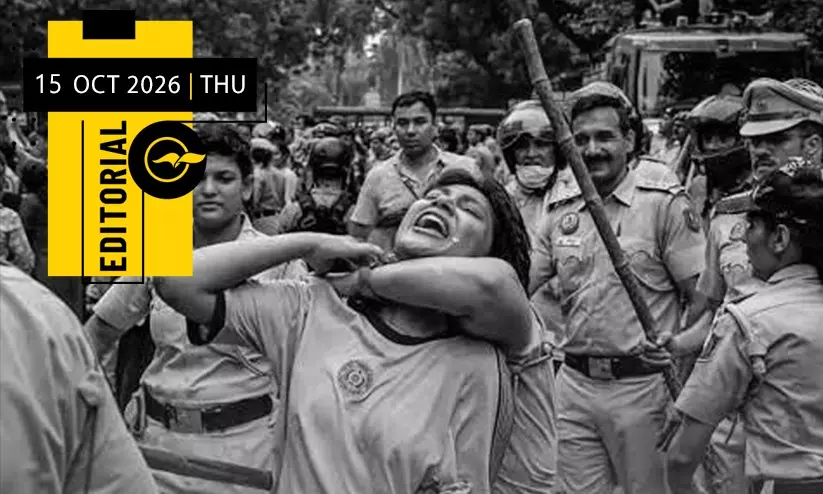
Our justice and legal systems or human rights machinery are not motivated enough to ensure justice to a poor tribal youth and his family. In the month of May 2023, Rajesh Manchi, a migrant worker from Bihar, was tied up and beaten to death for hours by a group of youths in Kizhissery, Kondotti on suspicion of theft. In December 2025, the attempt made by the police and the leaders of the ruling party at the Centre, which included the attackers, to trivialize the incident of beating to death of Chhattisgarh resident Ramnarayanan in Walayar failed only because of public vigilance. There are still many subversive attempts, both overt and covert, in the Ramnarayan case. The only consolation is that the compensation promised by the government at the time was indeed provided to his family. As for the man who was killed in the latest incident, his identity, place of origin, and family remain unknown; the fate of the investigation will likely follow a similar, bleak trajectory. There is a common thread linking all the names of victims mentioned above: those who were killed all hailed from the most vulnerable and impoverished segments of society.
Is Kerala suggesting that being an Adivasi or a Dalit, suffering from hunger, or lacking a roof over one’s head are, in effect, 'crimes' that warrant being killed? The smell of blood will not fade from our atmosphere unless there is a realization that all these acts of brutality—including the incident in Chittur—are nothing but hate crimes, and the community unites as one to resist them.