








Houthis pushing West Asia into an abyss
text_fields

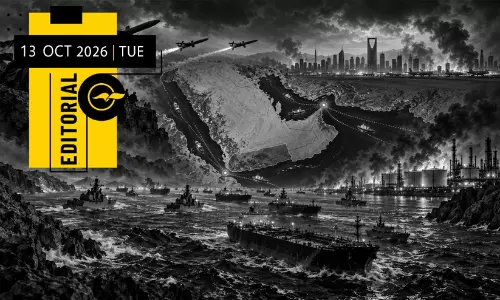
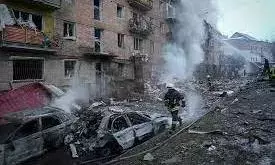
The attacks carried out by Yemen’s Houthi militants targeting strategic locations in Saudi Arabia have further intensified the turmoil in West Asia. Three attacks were reported on King Khalid International Airport in the capital, Riyadh, over the past week. A cruise missile attack on Saturday killed 12 people and injured more than 300. Another attack on Sunday killed a Pakistani national. In retaliation, Saudi Arabia launched an attack on the airport in the Yemeni capital, killing a child, according to a spokesperson for the Houthi-controlled Health Ministry. A report released by the ministry states that 91 people have been killed in Saudi airstrikes since the 3rd of last month. As the Iran-backed Houthis intensify their attacks, the threat of war is spreading across the region. Saudi Arabia is now being drawn into the turmoil at a time when several Gulf countries are already paying a heavy price for the tensions between Iran and the United States. After US President Donald Trump expressed his willingness to join Saudi Arabia in retaliatory strikes against the Houthi attacks, fears are growing across West Asia that the crisis could escalate. Until now, the United States had maintained that it would not directly intervene in the conflict with Yemen and would limit its role to providing intelligence support. But Trump’s latest announcement must be seen as a significant departure from that position. The Houthi attacks come at a time when Riyadh is preparing to host international business and political summits.
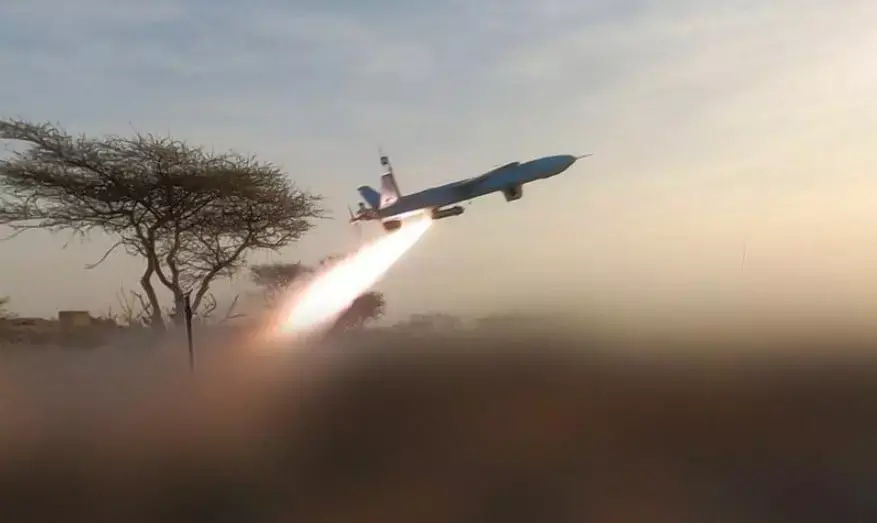
The current escalation in the conflict was triggered by an attack on the airport in Sana’a, the Yemeni capital, last July. Accusing Saudi Arabia of being behind the attack, the Houthis had been preparing to retaliate. However, Yemen’s internationally recognised government claimed responsibility for the strike, stating that it was intended to prevent unauthorised Iranian aircraft from landing. Following the attack, Saudi aircraft faced airspace restrictions, while Saudi vessels encountered obstacles to navigation in the Red Sea. These developments indicated that Yemen’s civil war was heading towards a more intense phase. Last week, the Yemeni government announced that it would drive the Houthis out of the territories they have controlled for the past 12 years. In support of this move, Saudi Arabia has warned that it would carry out airstrikes on Sana’a.
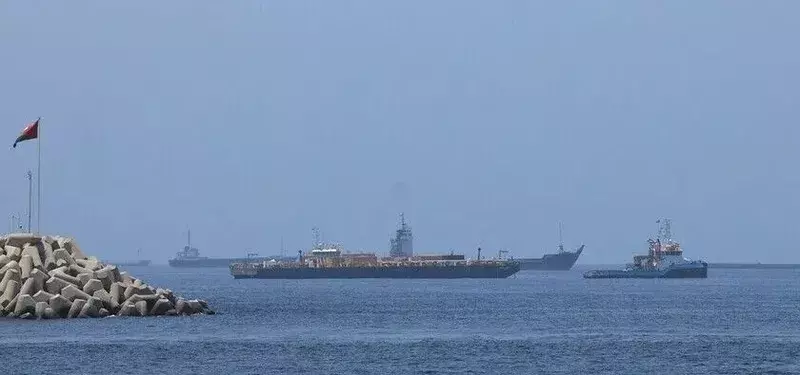
Saudi Arabia has the most powerful air force in West Asia and has demonstrated its strength through heavy strikes on Houthi positions. In apparent retaliation against it, Yemen, a member of the ‘Axis of Resistance’, has been posing a persistent threat to Saudi Arabia, with Iranian support, across the area stretching from Jizan to the Red Sea. Riyadh has but to mount a strong response to counter this threat. The closure or restricted access to the Strait of Hormuz is already dealing a severe blow to Saudi Arabia. If the Bab el-Mandeb Strait is also blockaded, the consequences for the political and economic landscape of West Asia will be far-reaching.
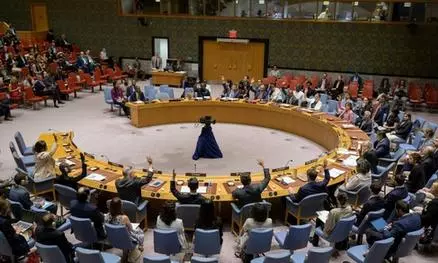
Saudi Arabia is working to establish a strong line of defence in anticipation of these threats. France has announced plans to establish a security cordon with military deployments and air defence systems, including radar systems.around Yanbu, on which the Houthis have an eye. Saudi Arabia has also taken the initiative to make the Makkah Joint Defence Agreement, signed jointly with Turkey and Pakistan to ensure the security of the holy sites, more effective. Recognising that the threat posed by Houthi rebel militants extends beyond Saudi Arabia, Riyadh has begun spearheading defensive efforts to counter it. Attacks targeting the kingdom’s energy resources could also put its international partners in difficulty and disrupt the balance of power in the region.
Until now, Yemen had been the arena for the long-running rivalry between Iran and Saudi Arabia. However, the situation changed dramatically following the US intervention against Iran. In retaliation for the American attacks, Iran targeted US military bases in the UAE, Kuwait, Bahrain and Qatar, along with oil and energy infrastructure and shipping facilities. Despite being the world’s foremost military power, the United States failed to protect its allies in the Gulf from these attacks. This has unsettled the Gulf nations more than anyone else. Seeking a solution, Saudi Arabia took the initiative to establish the Makkah agreement with Turkey and Pakistan. Plans are now being explored to translate the agreement into active cooperation, including military collaboration. Meanwhile, the escalation of Houthi attacks has added urgency to these efforts. However, if Turkey and Pakistan join forces to pursue this initiative while China, Russia and Europe gravitate towards different sides, setting their eyes on oil, West Asia could sink deeper into crisis.