












Engage with the young, not silence them, for democracy’s growth
text_fields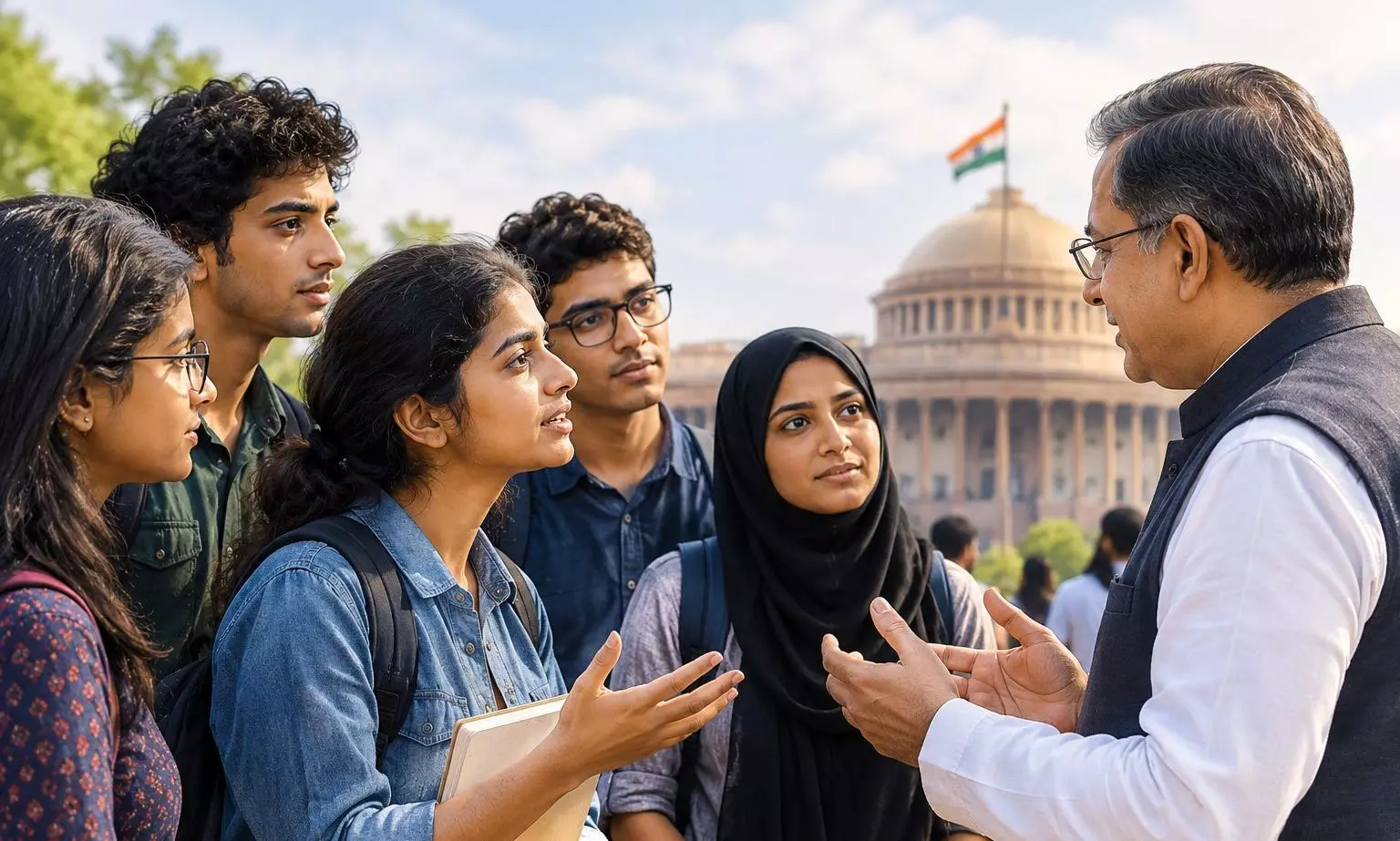
Last week, I wrote an article about the Delhi students’ protest, highlighting three young women, including Vismaya Mohanlal, who supported the movement. The article drew a flood of abuse. Critics used choice epithets against me and the young women. Some seemed especially offended that young women had dared to question the government.
This abuse revealed a disturbing attitude: that students have no business protesting against the government. Yet student movements have a long history, in India and worldwide. Students have challenged kings, colonial rulers, elected governments and dictators. They have sometimes failed and suffered punishment, but their struggles have also changed history.
About 160 years before Christ, students at China’s Imperial University protested against ruling authorities. The movement challenged powerful officials but was suppressed, and its leaders were punished. The conflict between youthful idealism and political authority is centuries old. Those in power have often treated questioning students as a threat rather than an opportunity to correct mistakes.
Few remember Henry Louis Vivian Derozio, an Anglo-Indian poet and teacher of the early nineteenth century. Often regarded as one of India’s earliest national poets, he taught at Hindu College in Calcutta. His students, known as Young Bengal, questioned religious orthodoxy, social customs, and colonial authority. Derozio encouraged independent thought rather than blind acceptance of established beliefs, helping create a new spirit of intellectual freedom among educated Indians.
Mahatma Gandhi later called on students to join India’s freedom struggle. During the Non-Cooperation Movement, he urged them to leave government-controlled institutions and join the national movement. Critics argued students should focus on their studies rather than interrupt their education for politics. There was genuine concern that political involvement could harm their academic future.
Gandhi believed freedom was a national responsibility. Young people could not remain indifferent while their country fought colonial rule. Education, he felt, should prepare citizens to defend justice and freedom, not merely secure employment.
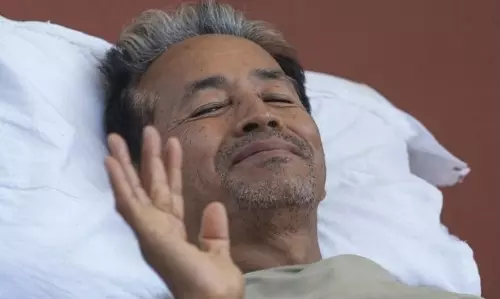
An important chapter in student activism unfolded in Bihar in 1965, when K.B. Sahay was Chief Minister. Students protested against a bus fare increase. T.J.S. George, a Malayali journalist, was then editor of The Searchlight in Patna.
George covered the agitation extensively, including the use of force against students. He did not confine himself to reporting demonstrations and police action. He brought out a booklet containing views of students and experts, among them Dr George Jacob, who later became Vice-Chancellor of Kerala University and Chairman of the University Grants Commission.
The newspaper’s circulation increased manifold, though its printing press lacked the capacity to meet demand. Clearly, people wanted to read about the students’ grievances and the government’s response.
Instead of engaging with protesters, Sahay had George arrested. He became the first Indian editor arrested in post-Independence India. George was initially lodged in Patna jail and later transferred to Hazaribagh.
His wife, Ammu George, wrote an open letter that touched readers. She spoke of their two young children, aged five and three, anxious to see their father. She wrote: “I cannot possibly take them even to see him in jail, and thus indelibly imprint on their mind that scar of this sad chapter.” She chose not to express her own feelings.
The letter was widely circulated, turning the editor’s imprisonment into a public issue. Former Defence Minister V.K. Krishna Menon travelled to Patna to defend George, who was eventually released.
The political consequences were striking. In the next election, Sahay lost from both Patna and Hazaribagh, ending his political career. Suppressing dissent could carry a heavy political price.
One of independent India’s most successful student-led agitations was the Navnirman movement in Gujarat in 1973–74. It began with protests over rising food prices and hostel expenses, along with allegations of corruption in the state government. What started as a student movement soon attracted wider public support.
Demonstrations spread across the state. Amid widespread unrest and police action, Chief Minister Chimanbhai Patel eventually resigned, and the state Assembly was dissolved.
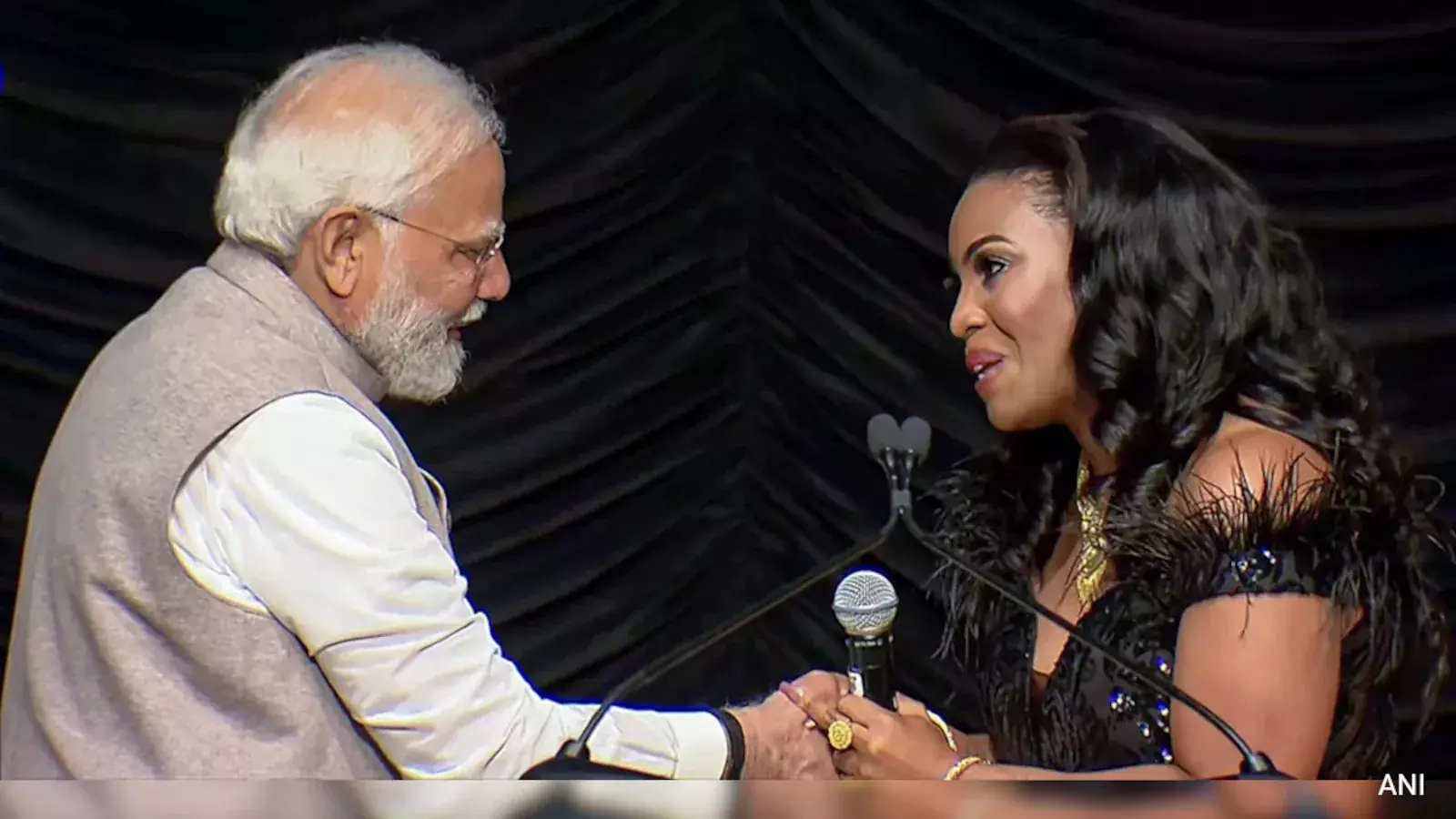
One of the activists associated with the political mobilisation of that period was Narendra Modi, now using strong-arm methods against protesters. Encouraged by Gujarat’s success, Jayaprakash Narayan, popularly known as JP, took up the cause of students in Bihar in 1974. The agitation began with demands relating to corruption, inflation and misgovernance.
It also produced leaders who would later occupy important positions. Lalu Prasad Yadav and Nitish Kumar, both associated with student politics of that period, later became Chief Ministers of Bihar.
The Bihar movement showed that students could do much more than protest against a particular policy. They could question how a government functioned and demand accountability from those exercising power. It also demonstrated that political leadership could emerge from campuses rather than established political families.
Recent events in Sri Lanka, Bangladesh and Nepal have again demonstrated the power of youth-led protests. The circumstances differed, and the political consequences will depend on what follows.
Student movements do not always begin with a detailed political programme. Sometimes they arise spontaneously when people believe their rights or dignity are threatened. The 2019 protests against the Citizenship (Amendment) Act brought thousands of students and citizens onto the streets. Universities became centres of debate and resistance.
The present agitation in Delhi must be understood in this larger context. The creation of the Cockroach Janata Party was an emotional response to a snide remark. Students and other protesters have raised concerns about the Election Commission’s Special Intensive Revision (SIR) of electoral rolls and demanded accountability from the Chief Election Commissioner.
Every eligible citizen must be able to vote, and the process of preparing electoral rolls must be transparent, accurate and open to scrutiny.
History offers a clear lesson: students are not merely future citizens. They are citizens today, with the right to question policies, expose injustice and demand accountability. A government confident of its democratic legitimacy should have no hesitation in meeting its critics. Listening to students does not mean accepting every demand. It means recognising that public grievances deserve an answer and that peaceful protest is essential to democracy.
Barricades and arrests may temporarily disperse a crowd, but they cannot resolve the issues that brought people onto the streets. Abuse cannot replace argument, and force cannot substitute for dialogue.
Students have challenged authority for centuries, from early protests in China to struggles in India and recent movements in South Asia. They will continue to do so because questioning those in power is not an offence against democracy. It is one of democracy’s essential duties.
The government should recognise this truth and invite students for talks rather than treat them as adversaries. A willingness to listen, correct mistakes, and protect every citizen’s right to vote would demonstrate genuine democratic leadership. The best response to young people who question authority is not to silence them, but to engage with them. That is how a democracy grows stronger.