

















Finance Ministry warns of supply shock and inflation risks from West Asia conflict
text_fields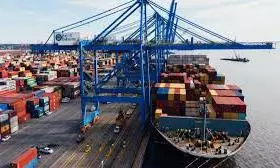

India is facing supply shocks linked to the West Asia conflict, with the Finance Ministry warning that rising prices and weaker economic activity could hurt domestic demand.
In its monthly economic review released on Wednesday, the Department of Economic Affairs said, “A ‘supply shock’ is apparent in the economy,” adding that demand compression was a serious concern due to high prices, rising inflation, and slowing economic activity.
The report said the closure of the Strait of Hormuz has severely disrupted India’s energy imports. Nearly half of India’s crude oil imports and around 90% of its gas imports pass through the route.
The disruption has already led to gas rationing for critical industries and is affecting economic activity. The ministry warned that repairs to oil and gas infrastructure in the Gulf could take several months.
The report also cautioned that below-normal rainfall could worsen the situation by affecting agriculture and pushing inflation higher. It said headline inflation could spill over into core inflation as companies raise prices to protect profit margins.
Reserve Bank of India Governor Sanjay Malhotra has also recently warned about inflation spillover risks to the economy.
The ministry noted that many downstream industries depend on petroleum products, meaning higher input costs are likely to spread across the economy.
The report added that the conflict has weakened investor confidence in emerging markets, including India. A weaker rupee could further fuel inflation by making imports more expensive.
Despite measures by the Reserve Bank of India to curb speculation, the rupee fell to a record closing low on Wednesday. Economists are also widening estimates of India’s balance of payments deficit due to higher oil prices and weaker capital inflows.
However, the ministry said the crisis may not threaten financial stability because key economic indicators remain strong. It also said the situation could create opportunities for India through diversified supply chains and more ambitious trade agreements.