











Bihar debates SIR, polling percentage and ‘regime change’?
text_fields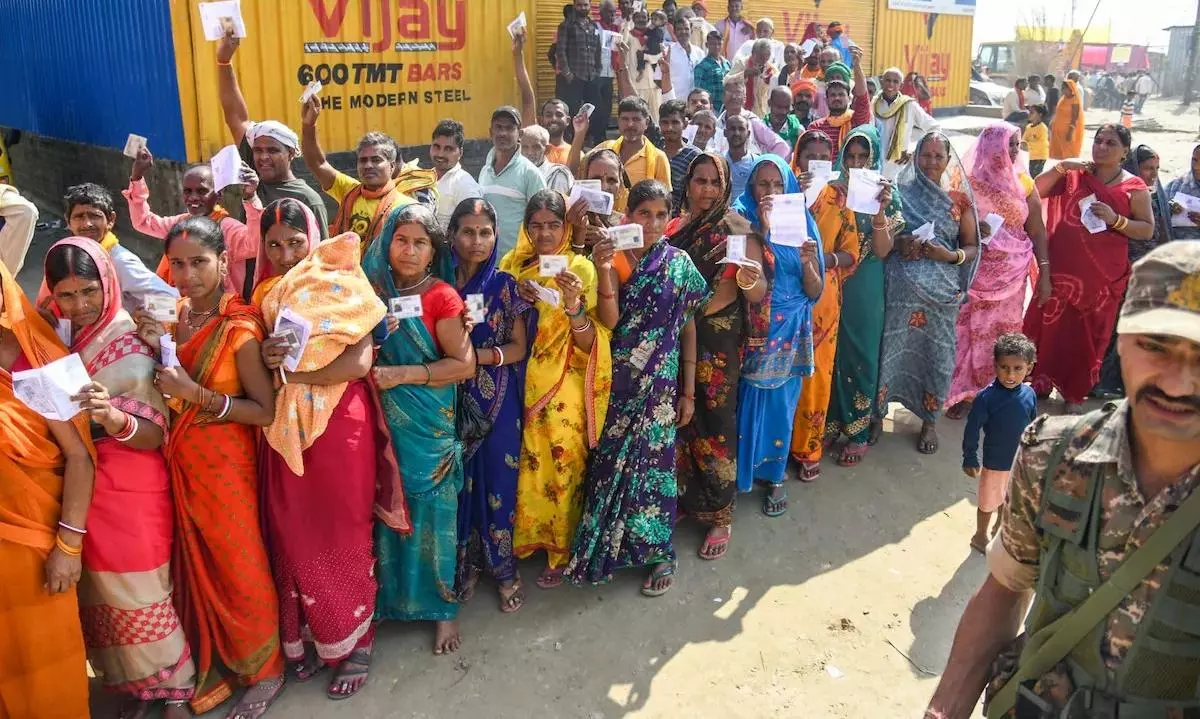
Patna: After the first phase of polling for the Bihar Assembly on November 6, once again, the SIR (Special Intensive Revision) of the voter list is at the centre of debate, whether this has contributed to the rise in polling percentage. Everyone is deriving from it to decide if this is an SIR-induced rise and which coalition is going to gain from it. There are questions raised about whether the surge in polling is genuine and no foul play is involved, as Rahul Gandhi showed in the Haryana case. And if it is genuine, is it for a change or approval of the government?
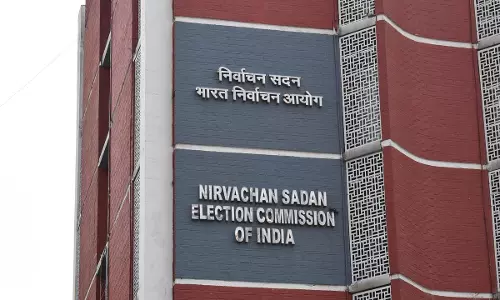
After the completion of voting on 121 seats in 18 districts, the Election Commission of India (ECI) announced a historic 64.66% voter turnout – the highest in the state's history, surpassing even the 62.57% recorded in 2000. It was reported that women turned out in droves, migrants returned home for Chhath Puja, and first-time voters contributed to the increased voting percentage. Yet, beneath the festive mood lay a storm: the Special Intensive Revision (SIR) of electoral rolls, which was a highly controversial cleanup exercise.
One source explained this surge in voting due to several factors but the contribution of SIR is significant. The total number of voters in the last assembly election was 7.89 crore. Due to the SIR, 69.30 lakh names were deleted, and 21.53 lakh new names were added. This way, the total number of voters this time remained 7.42 crore. This is 47 lakh voters fewer than the previous election. Among those whose names were deleted, some had their names registered in two places. Some had shifted elsewhere. Some had passed away.
Of the total reduction of a little over 5.25 percent of voters, we can assume that 1.5 to 1.75 percent were those who did not have paper proof (for inclusion). Even then, approximately 3.75 percent can be considered those who either did not vote or voted only in one place, but their votes were counted in both places in the total for calculating the percentage. Therefore, 3.7 percent of the increased 7.7 percent vote share is the contribution of the SIR thus making it a net increase of 4 percent.
It was also reported that in absolute numbers, the increase is 31 lakh 81 thousand 858 votes in the first phase, compared to the last time. In the 2020 elections, the 121 seats in the first phase recorded a voter turnout of 56.15 percent. This amounts to a total of about 2,08,76,953 votes. In the 2025 elections, these seats saw an almost 65 percent voter turnout, which is a total of 2,40,58,811 votes. It is still required to know what the accumulated figure is after both phases of polling are completed.
The SIR, ordered by the ECI on June 24, 2025, required every voter to resubmit forms with proof of eligibility, harking back to a 2003-style intensive revision. The ECI hailed it as a triumph for "purest electoral rolls," with Chief Election Commissioner Gyanesh Kumar declaring zero appeals and crediting it for the turnout surge. But opposition leaders cried foul, alleging systematic disenfranchisement of marginalized communities – Dalits, Muslims, and migrants – who traditionally lean toward the Mahagathbandhan (Grand Alliance) of RJD, Congress, and Left parties.
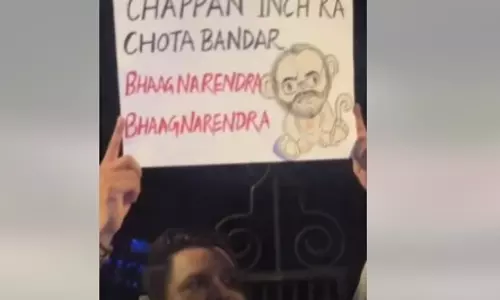
The debate ignited national fireworks. Just a day before polling, Rahul Gandhi dropped his "H Files" bombshell in Delhi, alleging 25 lakh fake votes stole Haryana's 2024 elections for the BJP. Displaying voter lists with a Brazilian model's photo repeated 22 times under names like Seema and Sweety, Gandhi accused the ECI of colluding with PM Modi and Home Minister Amit Shah. That is why, while the deletion of the name is a major concern for individual voters, the addition of ‘untraceable’ names in the voter list is a big challenge for the political parties. Rahul Gandhi warns, "This industrialized vote theft will hit Bihar next," naming commissioners Gyanesh Kumar (Chief Election Commissioner), Sukhbir Singh Sandhu, and Vivek Joshi (Election Commissioners) as "democracy's betrayers."
A couple of months back, Rahul Gandhi's Voter Adhikar Yatra had already mobilized thousands. At a Banka rally on November 7, he thundered: "BJP leaders voted in UP, then Haryana – now they're double-voting here. Fake lists, fake photos – but Bihar's people will guard their booths!" He is still cautioning the Bihar electors of possible vote-chori in Bihar. Tejashwi Yadav, the Mahagathbandhan's CM face, echoed: "SIR removed our voters, but turnout proves anti-incumbency. We'll sweep with a two-third majority."
Prashant Kishor of Jan Suraaj says that this ‘bumper voting’ will result in a historic day on November 14. He sees it as a voter’s enthusiasm for the new option, an indication to his party. He says that the youths have come out in large numbers to vote, and “such a large number is not out for keeping the last government in power, change is imminent.”
Historically, even less voting percentage has resulted in regime change. In October-November 2000, the voting percentage was less than fifty. Still, the RJD regime was changed. The reason for the lower voting was attributed to the second election in one year.
The ruling NDA – Nitish Kumar's JD(U) and BJP – spun it differently. PM Narendra Modi, campaigning in Aurangabad, boasted, "Record turnout, especially women, means Bihar rejects jungle raj and trusts our sushasan (good governance)." Deputy CM Samrat Choudhary claimed, "We'll win 100 of these 121 seats – SIR cleaned duplicates, boosting real voters." JD (U)’s national working president, Sanjay Jha, declared that whenever the percentage was high, the government returned to power.
The second phase of polling is slated for November 11, and the sensitive Seemanchal is one of the most important regions in that phase. There were lots of accusations from the BJP leaders, including Prime Minister Narendra Modi and Union Home Minister Amit Shah, about an alleged infiltrator issue. Both leaders subtly convey that it is the Muslims from Bangladesh who are infiltrators, in their attempt to create religious polarization. How numbers go in Seemanchal while voting will be interesting to note.