

















Celebrating Sanju
text_fields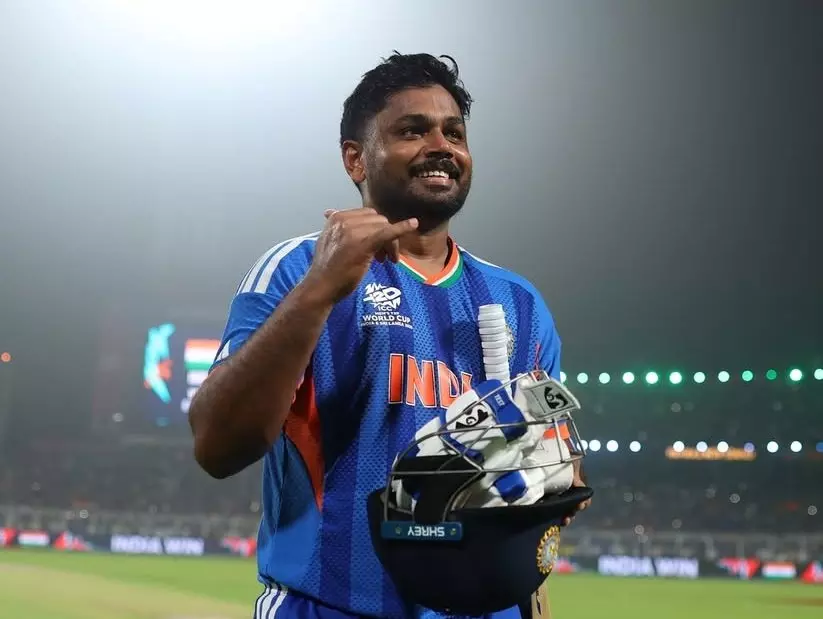

Sanju Viswanath Samson, the native of Vizhinjam, had long since won the hearts of Keralites. Now, he has captured the hearts of people across the entire country. Beyond that, today Sanju holds a place in the minds of everyone around the world who knows the game of cricket. Like a fairy tale, his three innings unfolded into stuff of cricket folklore. Standing in the midst of those ready to topple him, he emerged as a star among the stars of the global battle. The records in the game, along with the paths of his own life, were reshaped in just two weeks by his sheer willpower. What has been written about Sanju in the 2026 Twenty20 World Cup trophy is an indelible signature that can never be erased.
If Sanju had not played, India might not have held onto the World Cup. The award for the tournament’s best player itself bears witness to this. In five matches, the 31-year-old scored 321 runs! As a result, in the Super Eight match against the West Indies, which had become a quarter-final, he remained not out with 97 runs and in the semi-final against England, 89. In the final against New Zealand, he scored 96 runs, helping India become the first team to retain the trophy, while again ending as the top scorer with 89 runs. This is the best performance by an Indian batter in a Twenty20 World Cup final. His astonishing batting average in the tournament was 80.25, with an aggressive strike rate of 199.37. The Indian scores in the innings where Sanju dominated the middle of the field were 209, 256, 199, 253, and 255. After team India, having lost to South Africa, was on the brink of exit, they made an unprecedented comeback, and the real ‘X’ factor was this Malayali. From the little boy in Pulluvila who dreamed of the IPS, cket, Sanju has raced forward to his dream victories in cricket.
At a time when the nation was covering its pride star with words of praise, some things cannot be left unmentioned. Sanju did not merely announce his talent on the World Cup crease himself. He also struck at the long-standing nepotism entrenched in Indian cricket. In a sense, what the country did to Sanju was a great injustice. Looking closely at the career graph of the past ten years of Sanju, who, in a career that could well be called legendary, had to remain deliberately under-celebrated. His talent, courage, and technical skill were clear to the authorities the very moment he debuted in Harare on 19 July 2015. Yet, when many positions were ‘reserved’ for favourites, it became routine for Sanju to be left out. That he would be outside the team if he did not shine in the rare opportunities he got was seen as solely his burden, and it affected his performance. A to it the situation of having to pad up for different batting positions ranging from one to eight in the lineup, the ludicrousness gets worse.
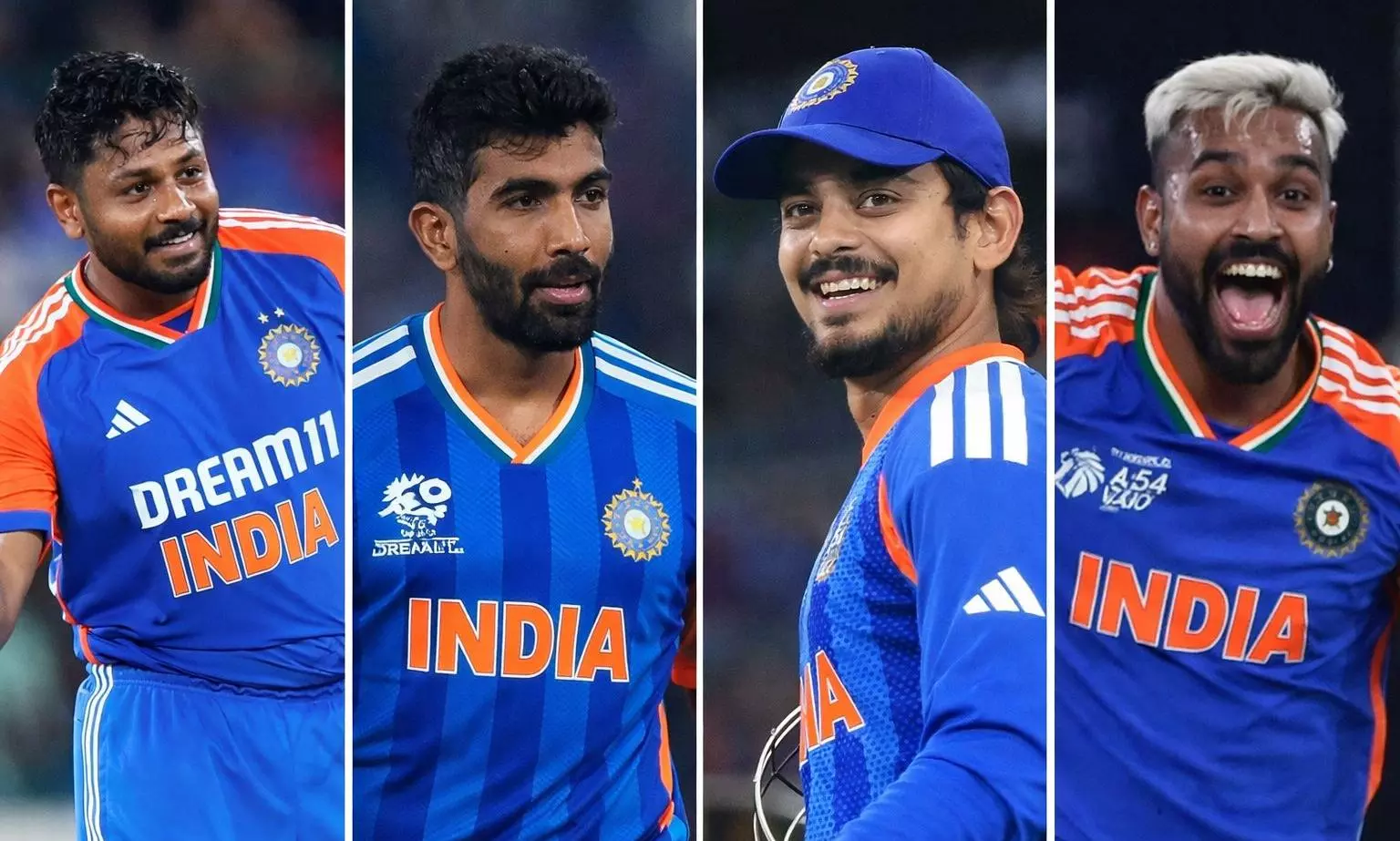
After the first match in Harare, it took four and a half years for a call to come for the Twenty20 Indian team. Despite his being one of the best one-day players, his call for that format came only in July 2021. The next opportunity came again after a year. After 2023, he was not included in the one-day squad again. This was when he had played only 16 ODIs, scoring one century and three half-centuries, with an average of 56.66. Recently, the same was seen in Twenty20 as well. It was when he shone at the opener’s position with three centuries, that Sanju was made to exit from the team. As a Twenty20 cricketer, it was to make space for Shubman Gill, whose graph was behind him. Later, he was pushed aside for Ishan Kishan. It became routine to Sanju to make way for many who were behind him. Yet, he did not lose heart and waited. On the World Cup stage, the most suitable and crucial opportunity available, he was invincible while chasing against the West Indies. India secured the trophy on the classic continuations of that performance, which combined class and temperament to dominate. A brilliant, sensational batting that combined maturity, composure, and attacking vigour.
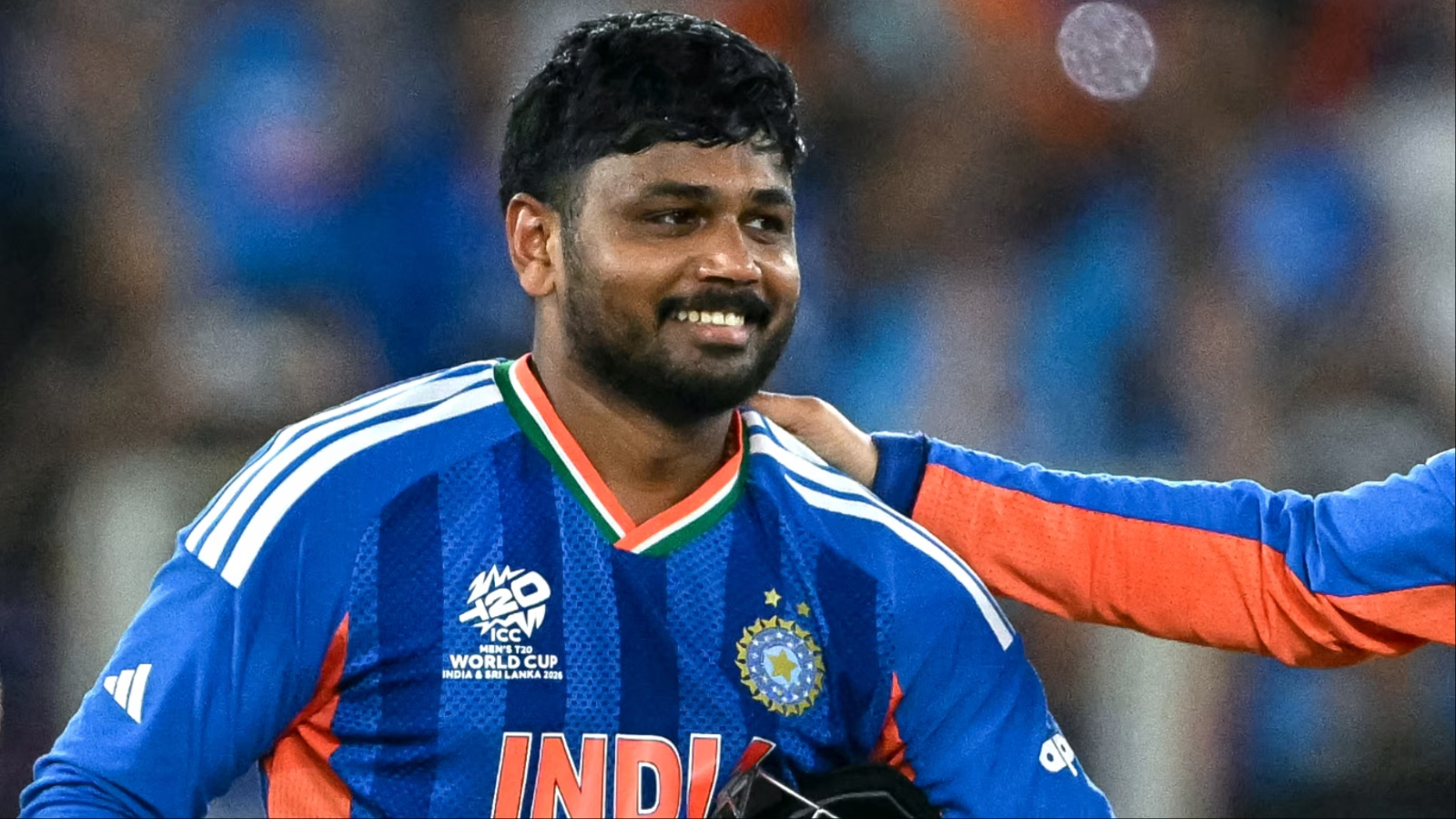
This is an inspirational story without boundaries. A wonder story that Indian cricket has never seen before. An unparalleled exhilaration before critics who had “ruled it over” as finished just days before the World Cup. A fighting spirit that bowed the heads of those who addressed him with a sneering glance. A performance that overturned the course of a tournament, providing a lesson and example for those who retreat at the face of trials and setbacks, is certain to be preserved by time. The sacrifices made by policeman Samson Viswanathan to make his son Sanju a cricketer, along with the screenplay beautifully written by time itself, will be passed on to generations with pride.