












Amid rupee slide, Modi adviser says Rs 100 to a dollar is ‘just a number’
text_fields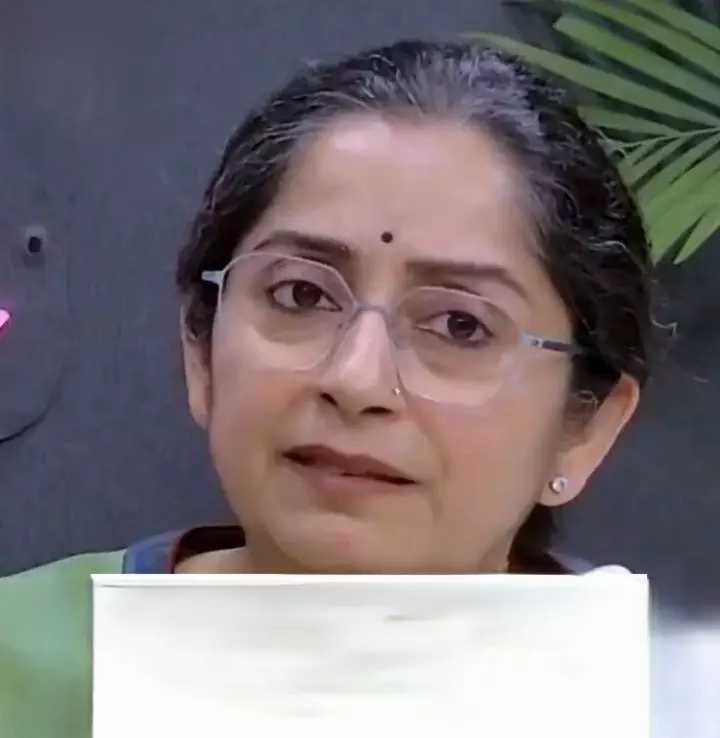

Amid the sinking value of the Indian rupee against the US dollar owing to a confluence of adverse economic factors, a member of Prime Minister Narendra Modi’s Economic Advisory Council has sought to allay concerns over the possibility of the currency breaching the Rs 100 mark, asserting that such a development should not be viewed with alarm and that the rupee must be allowed to discover its “true value”.
Speaking on journalist Smita Prakash’s ANI podcast, economist Shamika Ravi argued that anxieties surrounding the exchange rate were misplaced, remarking that “it is just a number” even if the rupee were to touch 100 against the dollar.
Drawing an analogy with the safety valve of a pressure cooker, she contended that the exchange rate functions as a mechanism through which mounting economic pressures are naturally released.
According to Ravi, attempts to artificially defend the rupee at a predetermined level could trigger inflationary distortions and unleash a host of unintended economic consequences. She maintained that the foreign exchange market was functioning adequately and cautioned against unnecessary intervention, advocating instead for prudent consumption and fiscal restraint.
Her remarks come against the backdrop of mounting pressure on the Indian currency. In mid-May, the rupee plunged to a historic low of 96.96 against the dollar as surging global oil prices and geopolitical turbulence in West Asia rattled financial markets.
Since the outbreak of the conflict on February 28, the rupee has emerged as Asia’s weakest-performing currency, depreciating by approximately 5.5 per cent.
Ravi attributed the rise in prices largely to an externally induced supply shock, noting that India’s heavy dependence on imported energy had left it particularly vulnerable.
With nearly 88 per cent of the country’s crude oil requirement sourced from abroad and crucial supply routes through the Strait of Hormuz disrupted, she acknowledged that difficult economic conditions were likely to persist.
Despite these challenges, Ravi rejected suggestions of an economic slowdown, insisting that India remained on a trajectory of sustained high growth.