















Yemen’s Houthis claim first missile attack on Israel since war began
text_fields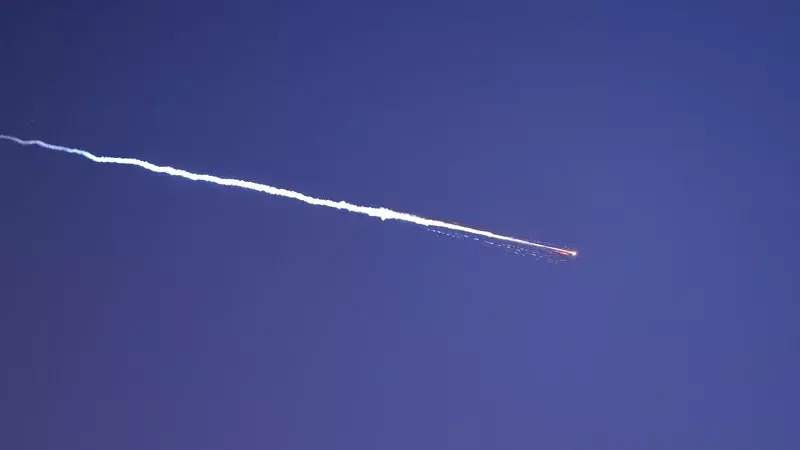

The Iran-backed Houthis have claimed responsibility for a missile attack on Israel, marking its first such strike since the ongoing war in the region began and raising fears of a broader escalation.
Brigadier-General Yahya Saree, the group’s military spokesperson, announced the claim in a statement broadcast on Saturday by Al-Masirah TV. Attacks “will continue until the declared objectives are achieved, as stated in the previous statement by the Armed Forces, and until the aggression against all fronts of the resistance ceases”, Saree said.
The Israeli military confirmed that it intercepted the missile. Saree said the rebels launched a barrage of ballistic missiles targeting what he termed “sensitive Israeli military sites” in southern Israel. Air raid sirens were reported in areas including Beer Sheba and near Israel’s main nuclear research centre overnight from Friday into Saturday, as Iran and Hezbollah also continued firing on Israel.
The strike came hours after Saree issued a vague warning on Friday, indicating the group’s possible entry into the war, which has already destabilised the region and unsettled the global economy.
The Houthis, who have controlled Yemen’s capital Sanaa since 2014, had largely stayed out of the current conflict until now, maintaining an uneasy ceasefire with Saudi Arabia, which intervened in Yemen’s civil war in 2015 on behalf of the exiled government.
Meanwhile, tensions have escalated further following Israeli strikes on Iran’s nuclear facilities after warnings to “escalate and expand” its campaign against Iran. Tehran vowed retaliation and reportedly struck a base in Saudi Arabia, with US officials stating that at least 10 American service members were wounded, two of them seriously, and aircraft were damaged.
The widening conflict has also drawn attention to the strategic importance of the Strait of Hormuz, through which roughly a fifth of global oil and significant volumes of natural gas transit. Before the Houthi strike, there had been a diplomatic development as Iran agreed to allow humanitarian aid and agricultural shipments through the strait following a request from the United Nations.
Iran’s ambassador to the UN in Geneva, Ali Bahreini, said Tehran would “facilitate and expedite” such movements, describing it as part of efforts to ensure essential aid reaches those in need. The UN has also announced a task force to address disruptions to aid delivery caused by the conflict.

However, continued instability threatens global supply chains, particularly in energy and fertiliser markets. The Strait of Hormuz typically handles a fifth of the world’s oil shipments and nearly a third of global fertiliser trade, meaning any disruption could have far-reaching consequences for food security and economic stability worldwide.
With PTI inputs