

















Surge of rat population in Ukraine recalls World War I horrors: report
text_fields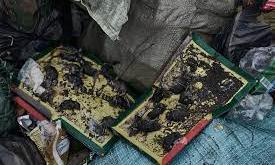

Kyiv: Ukraine is grappling with a disturbing resurgence of rats and mice, reminiscent of the haunting conditions of World War I trench warfare.
The infestation, fueled by a static war situation and harsh winter conditions, is not only spreading disease among soldiers but also causing severe disruptions in military operations, reported CNN.
A Ukrainian servicewoman, identified as "Kira," vividly recounted a "mouse epidemic" that plagued her battalion in the southern Zaporizhzhia region last fall. Soldiers trying to rest were disturbed by mice crawling into their clothing, biting their fingers, and causing sleepless nights. In Kira's dugout, housing four soldiers, the estimated 1,000 mice turned the tables, making the soldiers feel like guests in their own quarters.
The infestation is attributed to seasonal changes, the mating cycle of mice, and the stagnant nature of the war. Ukraine's counteroffensive faced strong resistance from heavily fortified Russian defences, resulting in a protracted conflict. The nearly 1,000-kilometre frontline has become a breeding ground for mice, spreading disease and discontent among troops searching for food and warmth in the bitter winter.
Various methods, from poison to prayer, have been employed by soldiers to rid their bunkers of mice. However, the relentless influx forced them to explore unconventional strategies. Even the introduction of a cat named Busia, initially effective in catching mice, proved futile in the face of overwhelming numbers.
Videos circulated on social media by Ukrainian and Russian soldiers provided a visual testament to the extent of the infestation. Mice and rats were captured scurrying under beds, in backpacks, power generators, coat pockets, and pillowcases. In December, Ukraine's military intelligence reported an outbreak of "mouse fever" among Russian units near Kupiansk in the Kharkiv region.
The disease, transmitted from mice to humans through inhalation of mouse faeces dust or ingestion of mouse faeces in food, was said to significantly reduce the combat capability of Russian soldiers. While CNN could not independently verify the report, various diseases associated with living near rodents could present similar symptoms, including tularemia, leptospirosis, and hantavirus.
The situation draws parallels with World War I, where "trench rats" thrived in unsanitary conditions, causing immense stress for soldiers. The rat population surged during periods of conflict stagnation, and concerns arose that a similar pattern is emerging in Russia's war in Ukraine. As Ukraine faces another harsh winter, the mouse problem is expected to intensify, driving mice into trenches and further impacting the combat capability of the army.