















UAE's adieu to OPEC
text_fields

The United Arab Emirates (UAE) has announced that it is withdrawing its membership in the oil-exporting collective ‘OPEC (Organisation of Petroleum Exporting Countries). The consequences of this decision are immediately unpredictable. Prior to the announcement released by the UAE government on Tuesday, there had been no indications regarding this. Therefore, no one had any clue nor had expressed any remarks regarding its related dimensions. This withdrawal will come into effect on Friday, May 1st. The UAE is also withdrawing from ‘OPEC+’, which includes along with OPEC members ten other non-member oil-producing countries. Formed in 1960 by Iran, Iraq, Saudi Arabia, and Venezuela, OPEC later became a 13-member forum as other countries joined. After some countries left and returned at various stages, 12 members remain today. The UAE explains that the decision is its strategic choice considering long-term national interests. While this is susceptible to different constructions, most experts tend to see it as the outcome of the country's disenchantment with the production quotas determined by OPEC and the model of its application. Currently, the UAE’s share is about 3.5 million barrels out of the 21 million barrels of daily oil production by OPEC countries. Although this is roughly the production rate prior to the Iran-U.S. war, the country is believed to have a production capacity of five million barrels. The current quota limits do not allow production to be raised to that level. Market observers evaluate that since increasing production without a quota increase would affect prices, in order not to be blamed for that, cancelling the membership would be the only reasonable course for the UAE.
Also read: Russia says it will stay in OPEC+ after UAE exit
OPEC came into being with the goals of formulating appropriate production-marketing policies, ensuring a fair price for the products of member countries, and maintaining prices without major upheavals in the market. Along with meeting semi-annually to evaluate the market situation and make necessary policy changes, there are systems at the headquarters in Vienna to conduct research and analysis in the oil market which act as input for informed decisions. However, later when crude oil prices began to fall, it became necessary to focus on controlling production to maintain prices At that stage, the member countries started meeting more frequently to increase or decrease production. What became the crucial factor in these parleys was each country's market share in the total OPEC production. Since most producers were already producing at almost their maximum capacity in recent times, they did not have the capability to increase it. Saudi Arabia was the only exception to this. Saudi Arabia, which exported about half (10-11 million barrels) of the global OPEC export of 20-21 million barrels, only recently had to significantly reduce production due to the atmosphere of the West Asian war and uncertainty in the region. Since production decreased, oil prices soared. In such times, OPEC’s production curbs were not much of an issue. There had already been allegations that OPEC’s production controls were not being adhered to strictly. In any case, it is a fact that whenever an OPEC meeting was held, there was a reaction in the market, causing either a price rise or a fall.
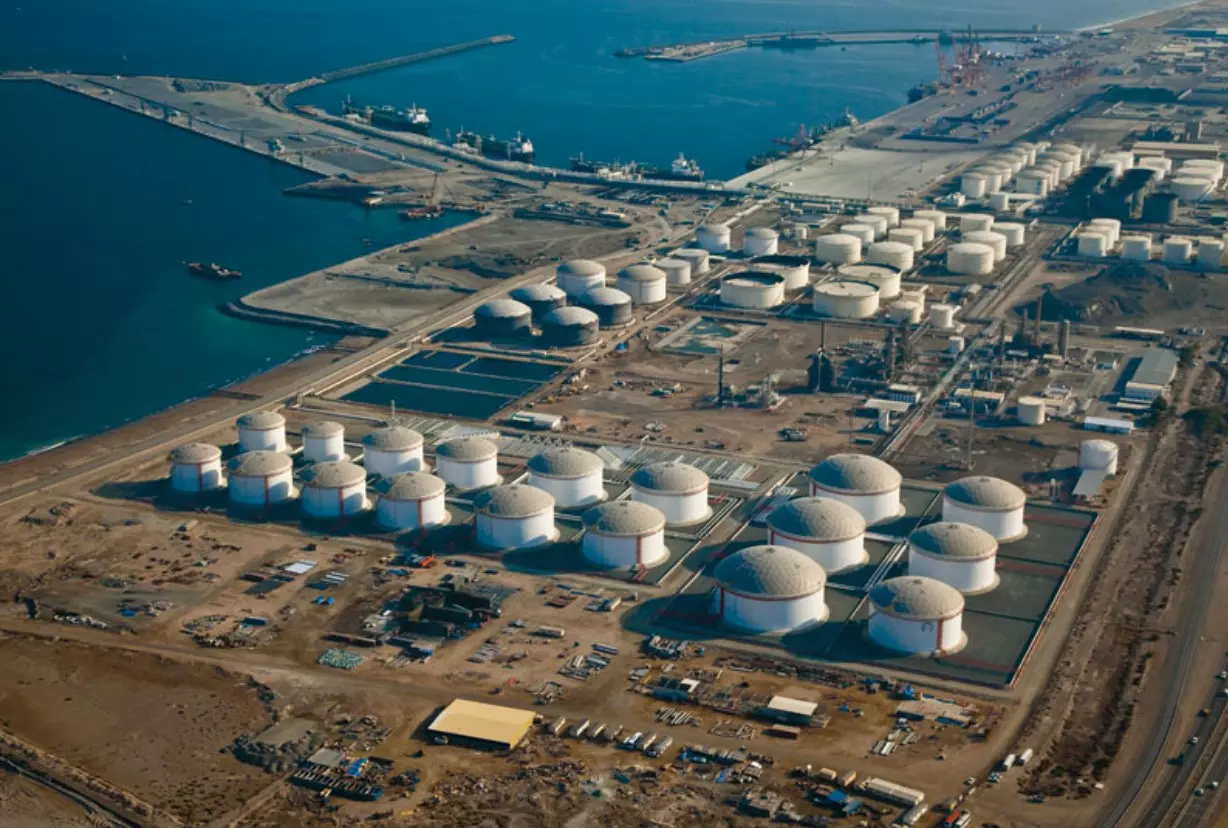
The UAE government's statement announcing the withdrawal of membership says that they intend to gradually increase production according to demand and market factors. In a world seeking new sources of energy production, this may have many effects. As part of a global policy to reduce fossil fuels with relatively high carbon emissions, and as new energy sources are sought, the possibility of substances like crude oil being gradually rejected annot be ruled out. Although the possibility of the total elimination of crude oil as feed for refined products is low, and while electric vehicles using batteries also may face challenges from carbon emissions and the scarcity of rare metals, one thing certain is that crude oil may not have the market in the future that it has today. In that sense, while there is currently production capacity and consumption, not being subjected to OPEC membership discipline would be preferable for the freedom to increase production independently and later to adjust production according to demand. At the same time, in the medium-term, it might perhaps assist an Abu Dhabi-centric industrial policy regarding petroleum products by establishing more refineries and increasing the capacity of existing ones. Already, more than 90 percent of the UAE's production comes from Abu Dhabi. However, the obstacle to all these possibilities is the U.S.-Iran war. When read along with the fact that Qatar had already decided to leave OPEC back in 2019 and that Bahrain and Oman have not been OPEC members even earlier, the assessment that Gulf countries may not be keen to be in OPEC and my not expect much from it, gains relevance.