













Oman opens temporary shipping corridor in Strait of Hormuz to manage navigation risks
text_fields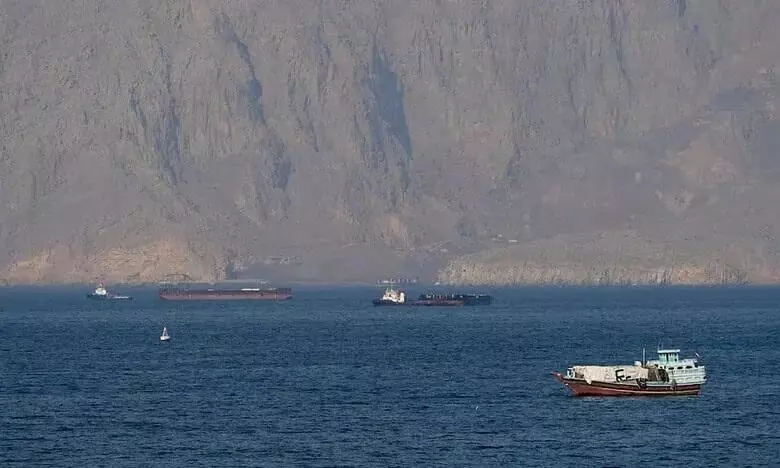

Muscat: Oman has introduced a temporary maritime corridor through the Strait of Hormuz and announced new traffic-management measures to protect commercial shipping and manage heightened navigational risks in the strategic waterway.
A navigation warning issued on June 23 by the Oman National Hydrographic Office, circulated via the NAVAREA IX SafetyNET system, said the measures were developed in coordination with the International Maritime Organization and reaffirmed Oman’s commitment to freedom of navigation under international law. The notice stated that the existing Traffic Separation Scheme (TSS) is presently considered unsafe and that a phased approach will be used to regulate vessel movements.
Under the temporary arrangement, vessels may be directed to transit via corridors located north and south of the usual shipping lanes; individual ships will be contacted with specific departure schedules and transit instructions. Authorities urged shipowners and masters to carry out independent risk assessments and to keep their Automatic Identification System (AIS) active while transiting the strait.
Oman said safety of navigation is the primary concern and described the measures as precautionary steps taken in response to elevated risks in the area. The country also confirmed coordination with neighbouring Gulf states and the IMO on operational arrangements for the corridor.
The warning follows the announcement of a joint working group between Oman and Iran to discuss management of navigation, maritime services and related operational arrangements in the Strait of Hormuz. The move comes after the Islamabad Understanding — a Pakistan-mediated agreement between the United States and Iran that entered into force on June 18 — which called for safe, toll-free passage of commercial vessels and the resumption of commercial shipping for an initial 60-day period.
The Strait of Hormuz, which links the Arabian Gulf with the Gulf of Oman and the Arabian Sea, is one of the world’s busiest passages for energy and commercial shipping; the temporary corridors aim to reduce navigational hazards while authorities implement longer-term traffic-management solutions.