













Iran threatens to strike Gulf power plants as Israel intensifies strikes
text_fields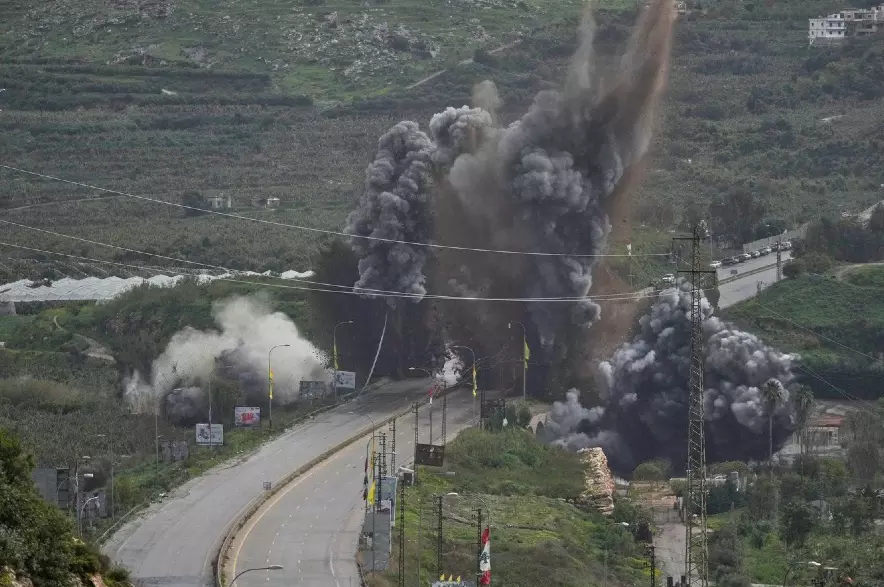

Dubai: Iran on Monday warned it would target power plants across the Gulf region if Donald Trump follows through on his threat to strike Iranian electrical facilities, escalating tensions in the ongoing conflict with Israel.
The warning raises concerns over electricity and water supplies in Gulf nations, where power plants are closely linked with desalination facilities essential for drinking water. Shortly after the threat, Iran’s semi-official Fars news agency published a list of potential targets, including the United Arab Emirates’ Barakah nuclear power plant.
Over the weekend, Iran launched missiles towards Dimona in Israel, near a key facility associated with its suspected nuclear programme, though no damage was reported. Trump has warned that the United States would strike Iran’s power infrastructure if Tehran does not ease restrictions on shipping through the strategically vital Strait of Hormuz, issuing a 48-hour deadline set to expire just before midnight GMT on Tuesday.
The escalating conflict has disrupted global energy supplies, pushing oil and gas prices sharply higher. Fatih Birol said the crisis has had a greater impact on energy markets than the oil shocks of the 1970s and the Russia-Ukraine war combined.
Israel, meanwhile, launched a new wave of strikes on infrastructure targets in Tehran on Monday. United States Central Command chief Admiral Brad Cooper claimed Iran was launching attacks from populated areas and warned civilians to remain indoors.
Air defences across the Gulf region were activated, with a missile intercepted near Al Dhafra Air Base in Abu Dhabi, injuring one person. Sirens also sounded in Bahrain and Kuwait, while Saudi Arabia said it intercepted a missile targeting Riyadh and destroyed drones over its Eastern Province.
Oil prices have surged by more than 50 per cent since the conflict began on February 28, with Brent crude trading around 112 US dollars per barrel. The war has also triggered volatility in global stock markets amid fears of a wider energy crisis.
Iran has continued targeting Israeli and US-linked sites, while tightening control over the Strait of Hormuz, a key route for about one-fifth of the world’s oil supply. Although Tehran maintains the strait remains open, it has restricted access for the United States, Israel and their allies.
In response to Trump’s warning, Iran’s Revolutionary Guard said it would retaliate by striking power plants and critical infrastructure linked to US interests across the region. Iranian officials also warned they could fully close the Strait of Hormuz if US strikes proceed, further escalating the crisis.
In a separate statement, Iranian Parliament Speaker Mohammad Bagher Qalibaf said vital infrastructure across the region, including energy and water facilities, could become legitimate targets.
Admiral Cooper said the US-led campaign was progressing “ahead or on plan”, with strikes aimed at dismantling Iran’s military capabilities and preventing future threats. He added that the conflict could end quickly if Iran halts its attacks.
The human toll continues to rise, with Iran reporting more than 1,500 deaths, while 15 people have been killed in Israel. In Lebanon, Israeli strikes targeting Iran-linked Hezbollah have reportedly killed over 1,000 people and displaced more than one million, as the group continues rocket attacks into Israel.
With PTI inputs