









Pluralism and federalism soul of republic
text_fields

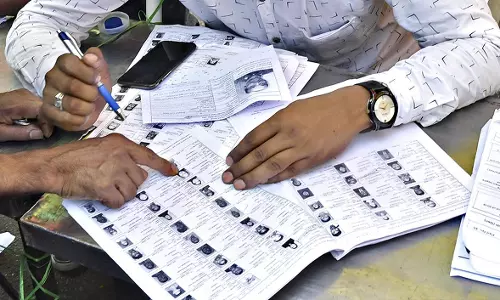
India, an independent, democratic and secular nation with its own constitution, is celebrating its 77th Republic Day today. Political colonialism is a mere memory now. For more than a quarter of a century, we have been electing our representatives and rulers through elections. We have transformed from a captive economy to a rapidly growing economy. Despite such achievements, we still have a long way to go to achieve the ideal of a democratic republic as envisioned by the Constitution. Not only that, we are also going backwards from many of the basic principles of the constitution adopted in 1950. India, which once astonished the nations of the world by conducting the largest elections freely and efficiently, is now becoming a laughing stock under the government-appointed Election Commission. If political activity was once a public service, today it is only a chase after power for vested interests. What distinguishes popular rule from the tyranny of monarchy is that issues that deeply affect the people are discussed in popular assemblies and decisions are made looking with the overall welfare of the people in mind. However, today, constructive discussions or well-thought-out legislation are rare in parliaments and assemblies. The parliament, which costs Rs. 2.5 lakh per minute of its session, dishes out serious bills without discussion and spends hours on campaign-related matters.
It was only recently thata while issues like unemployment, Delhi pollution, farmer distress and Chinese encroachment are burning, that the parliament devoted ten full hours to a discussion on ‘Vande Mataram’, trivializing all of them. A republic is born where the citizens begin to decide the rulers. However, by the end of three-quarters of a century, the rulers had begun to determine who are the citizens. Inequality and mismanagement in the economy are holding the country back. The strength of the economy is concentrated in the hands of a few billionaires; the vast majority of the people are in poverty. There is no employment, no educational facilities, and no nutrition. Civil rights and civil liberties are the essence of the Indian Constitution and the Republic. However, everything from freedom of religion to freedom of food is being banned. The fact that a district collector in Odisha has issued a strange order on the occasion of Republic Day is just a symptom of the country's plight. This order prohibits the sale of "non-vegetarian food items like meat, poultry, fish, eggs" on Republic Day. The officials are able to so openly violate the basic principles of the Constitution and the Republic and restrict the fundamental freedoms of the people because of the deep-rooted anti-people attitude in the country.

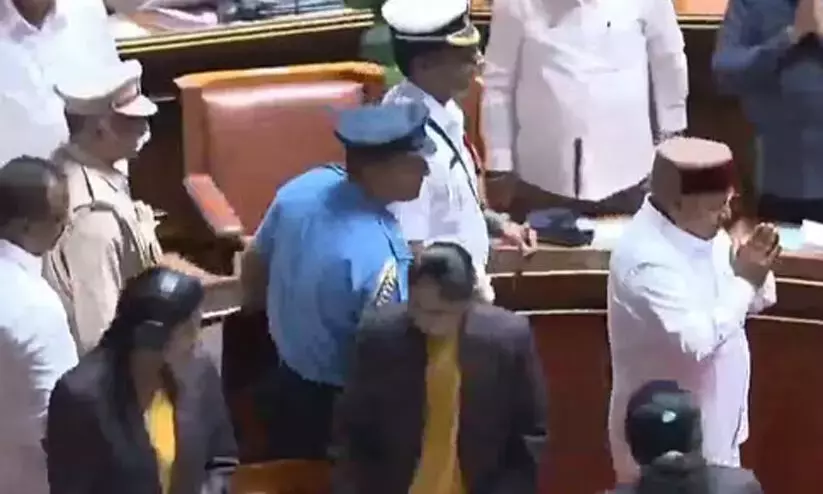
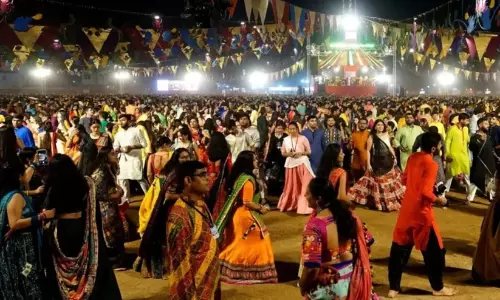
Not only democracy, constitution, economy and fundamental freedoms, but also the pride of the Republic of India constituted by federalism, secularism and pluralism, are all in a state of decline. The road shows held in Delhi on Republic Day used to be a proclamation of federalism and cultural pluralism. The space given to various states and cultures is decreasing today; the Union government's interference in what remains is increasing. The republic will cease to exist when it reaches the complete decline of one nation, one language and one culture. The Union government is illegally controlling the financial allocation of the states. The "double engine" theory that welfare can only come if the party running the Union government also runs the state administration is also a complete rejection of the concept of a federal republic. The same is true of the anti-federal pressure tactics exerted by the Union government's agent, the governor, on the governments in the states. It is ironic that governors who interfere in policy speeches, violate the law and order by staging walkouts, and play petty politics without taking decisions on bills passed by the people's representatives, thus destroying the principle of the republic, are leading the celebration of the day. The Constitution is not just a piece of paper. It should flourish in the republic. Only when ideals triumph over power does the republic become worthy of celebration.