









People will oust those who refuse to correct themselves
text_fields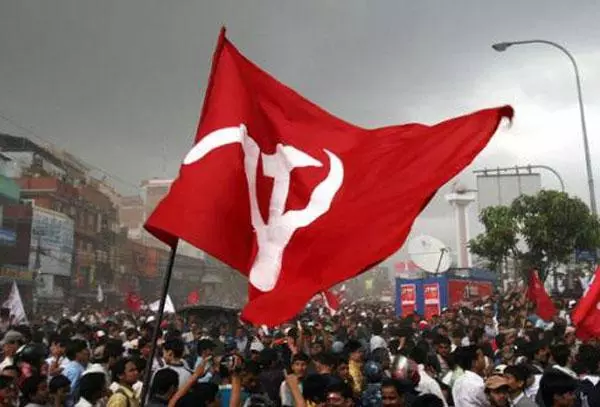

The CPI(M)-led Left Democratic Front, from its leadership down to the grassroots, has not yet fully recovered from the impact of the major setback it suffered in the local body elections. Party intellectuals, including Dr Thomas Isaac, as well as grassroots workers, remain bewildered over how anti-Left sentiment emerged “despite it being a period when the Kerala government’s development credentials and achievements were clearly evident, and despite pre-election announcements and welfare initiatives that went beyond the expectations of ordinary people.” A Secretariat meeting held on Monday to conduct a detailed analysis of the defeat discussed issues ranging from the Sabarimala gold smuggling case to the swing of minority votes, and the party decided to undertake a detailed review at the local level. The main agenda of the Left Democratic Front meeting scheduled for today, Tuesday, is also the electoral setback. Going by past experience, the answer is likely to be in the negative on whether the CPI(M) and the Left Democratic Front will bring about any real change based on these reviews and observations.
The CPI(M) has not shown readiness to study and assess the reasons why in West Bengal—once its stronghold where it remained in power for nearly four decades—the party today has not a single representative in the Legislative Assembly, just as it has none in the Malappuram district panchayat, nor to introduce fundamental changes in its policy approach and programmes based on such an assessment. That being the case, when the CPM stands in an extremely weakened position at the national level, reduced to little more than a Kerala-based party, it cannot be expected to act any different even here. Although statements expressing willingness for scrutiny and course correction were issued in the shock of defeat, what disappoints those who expect a reality-based rethinking is the conduct and pronouncements of leaders—along with the cadres who follow suit—who quickly regain their composure and confidence once the initial shock begins to wear off. Even after the defeat in the last Lok Sabha elections, and as part of the 24th Party Congress, a major campaign was organised to assess organisational weaknesses and rectify mistakes. Yet, the outcomes indicate that many of these weaknesses persist, observes Thomas Isaac, who also raises the introspective question of what steps should be taken to correct them. That question must begin with the captain who led the government and the front with an overconfidence akin to that of a ship believed to be unsinkable.

If the development gains did not reach the people during the election campaign, the first to be held accountable is the Chief Minister, Pinarayi Vijayan, who leads the government and the party. Whether this was due to a lack of confidence stemming from his intimate knowledge of the intricacies of the achievements being presented as his own is unclear, but without hesitation, the Chief Minister engaged in a shadow war against Jamaat-e-Islami, from Thiruvananthapuram to Kasaragod. The signal it sent to those seeking to take advantage was not to highlight developmental achievements, but to fan the flames of Islamophobia cultivated by Hindutva fascism. In literate Kerala, what has been observed in recent times is that the Left parties are transferring all the values of political enlightenment they have demonstrated—political integrity, opposition to communalism, defence against extreme bigotry, and secular consideration extended to believers of all communities—to the UDF. By distinguishing Hindutva from Hinduism and educating Kerala accordingly, the party’s dignitaries legitimised the expansive Hindu construct of the Hindutva supporters by projecting extreme national and state level representatives of religious hatred as stars at the Ayyappa Sangamam. When the CPM was positioned with a change of role to the right wing sphere, the responsibility of curbing that strength fell to the UDF, a political paradox that Kerala has witnessed. Yet, through a severe electoral setback, voters sent a clear message that secular Kerala will not compromise with communalism, even if mainstream Left parties dilute their approach. It was the awareness and resistance to the exploitation of faith by those who stole gold from Sabarimala, as well as the Left’s campaigns aimed at communal polarisation, that enabled the consolidation of Hindu votes and led to the CPM’s miscalculation in the Christian and Muslim minority constituencies. Counter-moves made to foster inclusion within the Christian-Muslim communities also proved ineffective.
The anti-Left wave also carries the message that the public will not brook the audacity and arrogance that come with the continuity in power. The Chief Minister’s dismissive remark that journalists only need to go where they are called, the statement by the former minister who, unable to accept defeat, asked pension fund beneficiaries to be grateful to the Left front, and the obscene outburst against the public presence of Muslim women during the victory celebrations of an LDF associate Party candidate who upheld women’s rights—all these came as indications of the change in the body language of the party. The lesson this election imparts is that the people will oust those who are unwilling to make any course corrections. If the Left parties attempt to become a carbon copy of the reactionary forces on the Right, the history of defeat does not end here.