
















Strikes on Iran’s oil facilities could trigger long-term environmental damage: experts
text_fields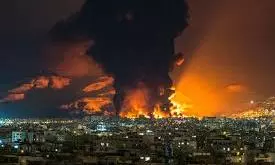

Airstrikes on Iran’s oil infrastructure could cause significant long-term environmental damage, experts warn, as monitors struggle to track the growing number of ecological incidents linked to the widening regional conflict.
Oil storage sites, including the Shahran depot northeast of Tehran and the Shahr-e fuel depot south of the city, were still burning on Monday, two days after Israeli warplanes bombed several fossil fuel installations around the capital.
In the immediate aftermath, Iran’s environmental agency and the Iranian Red Crescent Society urged Tehran residents to remain indoors. Officials warned that toxic chemicals released during the strikes could trigger acid rain and cause serious skin and lung irritation.
World Health Organization director-general Tedros Adhanom Ghebreyesus warned that damage to petroleum facilities could contaminate food, water, and air. Such exposure could have severe health consequences, particularly for children, older people, and those with pre-existing medical conditions.
Iran’s deputy health minister, Ali Jafarian, said soil and water supplies around Tehran were already showing early signs of contamination following the explosions.
Scientists say unusual black rain reported in the city shortly after the strikes likely formed when soot and fine particles from the fires mixed with rainfall from a regional storm system.
These pollutants can react in the atmosphere to form acids when dissolved in rainwater. Inhaling or touching them may cause headaches, breathing difficulties, and irritation of the eyes and skin.
Residents reported breathing problems and burning sensations in their eyes and throats after the strikes. Experts warn that longer-term risks could also emerge, as crude oil fires release aromatic compounds known to interact with DNA and linked to cancer.
Environmental groups say destroyed storage tanks and pipelines could allow spilled oil to seep into soil and contaminate drinking water supplies. As attacks on energy infrastructure spread across the region, experts warn that the environmental footprint of the conflict may grow increasingly difficult to document.