













Benefits of AI should not be limited to governments
text_fields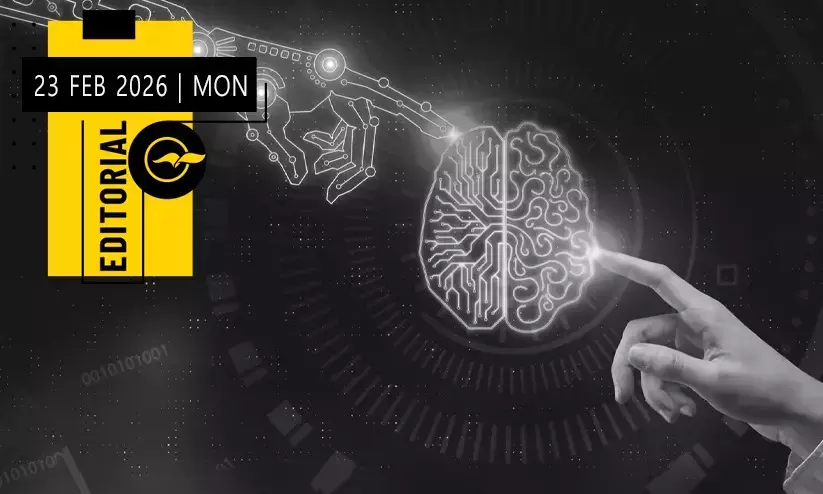

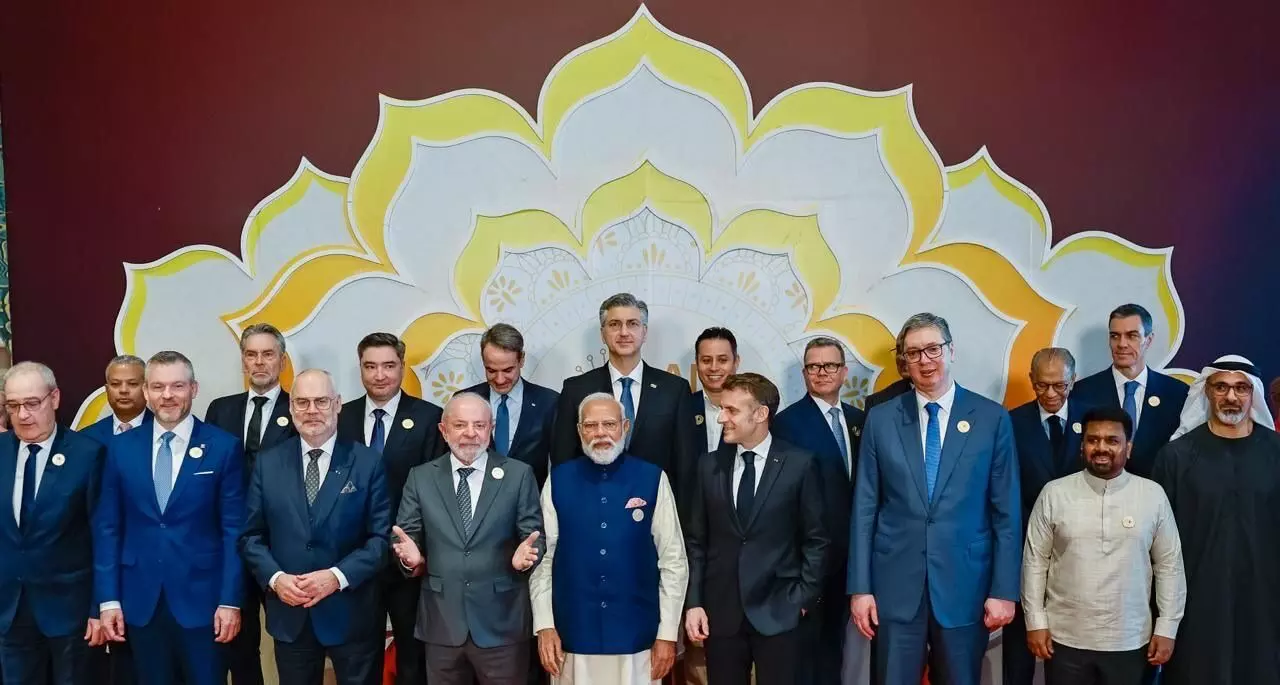
The ‘AI Impact’ Summit, held in New Delhi from February 16 to 20 under the auspices of the ‘India AI Mission’, was a collective effort to widely utilise the potential of artificial intelligence and for international cooperation. Although such summits have been held since 2023, this is the first time that a country from the ‘Global South’ is hosting it. This gave India the natural leadership of developing countries. Barring some organisational lapses, the summit held at Bharat Mandapam had the ingredients to raise the country’s international image. Around 30 international organisations, around 20 heads of state and representatives from over 100 countries participated in it. Around 700 panel discussions were held at the summit, which was attended by heads of large tech companies. Around 400 organisations from different countries participated in the ‘AI Expo’. The main objective of the summit is to move artificial intelligence from technology to application and democratisation. Artificial intelligence will be used in an inclusive manner, focusing on the principles of 'people, planet, and progress'. It will be utilised in the fields of education, health, governance, and social welfare under the slogan "AI for Social Good". The “New Delhi Declaration,” signed by 88 countries and two international organisations at the end of the summit, promises global cooperation in artificial intelligence. It will create safe and reliable AI systems; make AI democratically accessible to all; and transform the country’s AI ecosystem.
The countries have pledged to invest $250 billion to achieve the goals. It can be said that the blueprint for projects that will bring results through AI in various fields was prepared in Delhi. However, there is a flip side to this. When countries experiencing democratic decline talk about "democratizing AI," the worry whether it can be trusted is not unfounded. There is no doubt that the targeted advancement in the field of AI will strengthen governments. At the same time, the potential for misuse is not small. Concerns and disagreements on this issue were expressed at the summit. Organisations, including Amnesty International and public activists, warn that AI is likely to endanger democracy in the current situation. While artificial intelligence is bringing great progress in all fields, its true democratisation lies at the mercy of governments. Governments, on the other hand, are those who find pleasure in stifling democracy. How can they tap the immense potential that comes with huge investments? The argument that the advancement in the field of AI will empower not the people, but the governments, cannot be ignored. Most of the “civilised” countries today are similar to totalitarian countries in their anti-democratic nature. They have digital systems that illegally surveil their citizens. While stealing all the privacy of their citizens, the government becomes a completely opaque institution that on the other side does not share important information with the people.
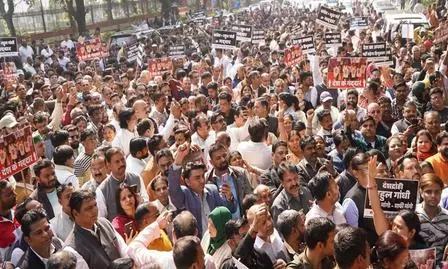
The right to information is rapidly disappearing, including in India. A more fierce form of anti-people position in the field of information is the use of digital technologies to control and suppress people. This will become extremely dangerous with the acquisition of AI capabilities. Israel is using AI to target and kill Palestinians. There is a demand for such weapons in countries around the world. Adding the poison of racism to this anti-people nature will multiply the danger. CSOH, (Center for the Study of Organised Hate) a US organisation that studies organised hate crimes, has warned about the far-reaching consequences that the spread of AI in India could create. The Internet Freedom Foundation also highlights the possibility of governments gaining more power over the people. The Guardian newspaper has pointed out the possibility that the advancement of AI under the Modi regime could become a weapon for anti-minority acts. The UN rapporteur on racism also warns that AI may be used to promote racial discrimination not only in India but also around the world. Another demerit is that artificial intelligence can be used to sabotage elections and spread false propaganda. The positive aspects of artificial intelligence should be available to everyone; the negative aspects should be eliminated. Appropriate precautions and policy formulation are also important for this. AI equality should be universal; it should not be limited to proclamations.