


















Tehran choked by toxic oil fires after Israeli strikes, health fears mount for millions
text_fields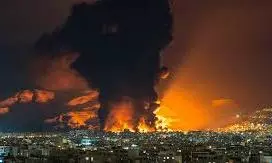

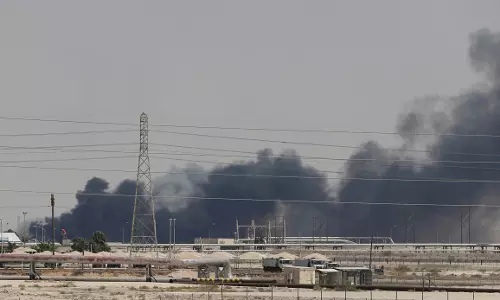
Satellite images of Tehran show oil fires caused by Israeli bombings on fuel depots continued burning for days, raising fears of serious health risks for millions in the Iranian capital.
The strikes on 7 March hit multiple facilities, sending clouds of smoke filled with soot, oil particles, and sulphur dioxide across the city. Hours later, a storm brought what residents described as poisonous, oil-filled rain. People reported headaches, eye and skin irritation, and breathing difficulties.
Four fuel sites were hit, including the Shahran depot in the north-west, the Aqdasieh oil depot in the north-east, the Tehran refinery in the south, and the Shahid Dolati facility in the west.
Satellite imagery taken two days after the attacks showed fires still burning at Shahran and the refinery. Images captured 10 days later indicated that those fires were smouldering, while flames and smoke persisted at Aqdasieh.
Residents said pollution particles had settled across cars, roads, and rooftops. One resident said an outdoor pool used as an emergency water source had turned black, while streets had become slippery with residue.
Experts warned that the immediate symptoms could develop into long-term conditions, including cardiovascular disease, cognitive impairment, and cancer. Akshay Deoras of the University of Reading told The Guardian the fires released compounds that could form acids when mixed with rain, explaining the reports of black rain.
World Health Organization chief Tedros Adhanom Ghebreyesus said the strikes risk contaminating food, water, and air, posing severe health dangers. The United Nations Environment Programme warned that inhalation of toxic smoke, especially by children, could have lasting impacts.
Israel said it targeted fuel depots, while Iran described the attacks as ecocide.