












Strait of Hormuz difficult to reopen without Iran’s consent, says policy analyst
text_fields

The ongoing tensions in West Asia could trigger a prolonged oil crisis unless Iran agrees to ease pressure around the Strait of Hormuz, according to foreign policy analyst Fareed Zakaria.
In an interview with Rahul Kanwal, Zakaria said it would be “very difficult to open the Strait of Hormuz without Iran's acceptance,” warning that Tehran is likely to continue taking a hard line.
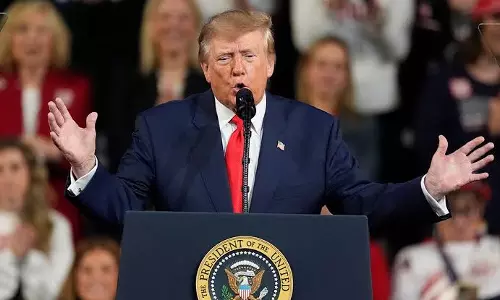
The narrow waterway carries more than one-fifth of the world’s oil supply, making it one of the most critical chokepoints for global energy markets. With the conflict expected to continue and no clear exit strategy from Donald Trump, Zakaria said oil prices could rise further.
“We seem to be in the middle of an escalating trap,” he said, describing the situation as a “stress test” of U.S. power.
Trump has sought support from allies in the European Union and Arab partners to help secure the strategic waterway. However, responses from allies have been uncertain. The U.S. President has warned that a lack of support could have implications for the future of NATO.
Zakaria also said internal political dynamics in Iran have hardened in recent years. While the country previously operated with a balance of power among institutions, he argued that the military establishment now plays a dominant role.
He suggested that Benjamin Netanyahu appears determined to weaken Iran strategically, but warned that the conflict could instead lead to prolonged instability across the region.
Despite rising tensions, Iran has so far avoided major attacks on key energy infrastructure, including oil facilities in Saudi Arabia, Zakaria noted. However, securing maritime routes in the Gulf would remain extremely challenging, particularly if naval mines were deployed or if military operations targeted strategic locations such as Kharg Island.
Zakaria added that the conflict is also reshaping global geopolitics. A prolonged U.S. military engagement, he said, could benefit rivals such as Xi Jinping, who continues to modernise China’s military while focusing on economic growth.
Asian economies, including India, are already feeling the effects through higher energy costs and geopolitical uncertainty. “The world is feeling the cost of the war far more than the United States,” Zakaria said, adding that the conflict could mark a turning point in the global balance of power.