












US window for India to buy Russian oil: critics call it ignominious capitulation to US whims
text_fields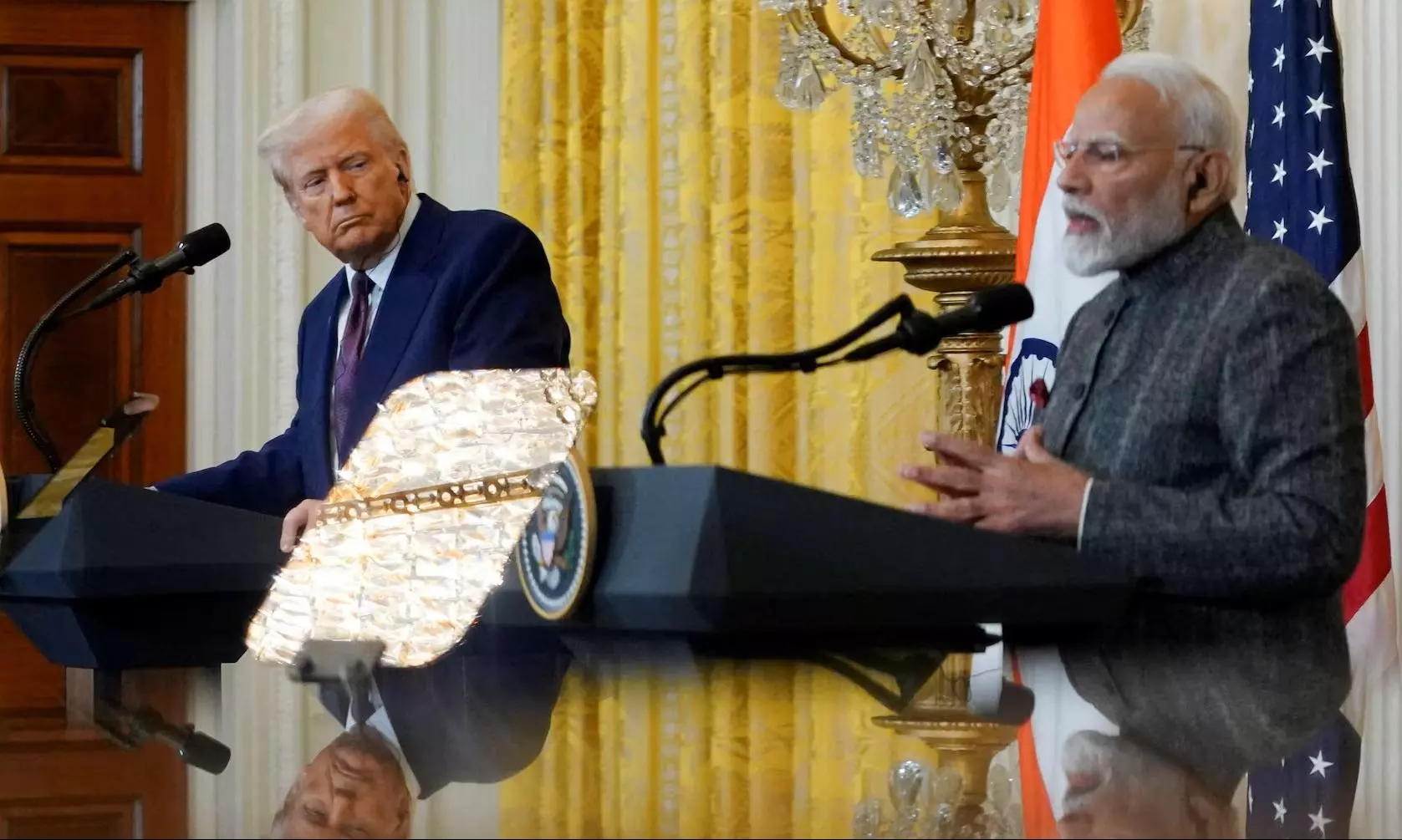

As Iran’s embargo on the Hormuz Strait resulted in impediments to oil tanker movement, causing Indian oil purchases from the US to temporarily halt, the US granted India permission to buy from Russia, a move that created turmoil in India as activists and critics lambasted the Modi government’s servitude to the US administration, while the BJP termed it a success of “strategic oil diplomacy” under PM Narendra Modi.
On 6 March, US Treasury Secretary Scott Bessent announced a "temporary 30-day waiver" to facilitate Indian refiners in acquiring Russian oil, though he clarified that this dispensation applies exclusively to transactions involving petroleum already languishing at sea.
While Bessent framed the measure as an act of bilateral cooperation designed to alleviate the systemic pressures exerted by Tehran’s "hostage-taking" of global energy markets, the patronising syntax of the announcement has been met with visceral condemnation from India's political vanguard.
The domestic opposition, sensing a profound erosion of national sovereignty, has lambasted the Modi administration for what they perceive as an ignominious capitulation to Washington’s whims.
Congress President Mallikarjun Kharge asserted that the phrasing—typically reserved for pariah or sanctioned states—demonstrates a steady ceding of diplomatic leverage, reducing a historically responsible global partner to the status of a "virtual vassal state."
Leader of the Opposition Rahul Gandhi decried the development not as a coherent policy, but as the byproduct of a compromised leadership, while former Delhi Chief Minister Arvind Kejriwal questioned the unseen compulsions that have purportedly forced the Prime Minister into a subservient posture before the Trump administration.
Conversely, the BJP has recalibrated this narrative of external dictation into a victory of "strategic oil diplomacy," vehemently dismissing the opposition's critiques as the desperate machinations of those peddling "fake news" regarding energy shortages. BJP spokesperson Pradeep Bhandari characterised the waiver as a triumph of strategic restraint, suggesting that the diplomatic breakthrough delivers a significant rebuff to those who sought to incite public panic.
Nevertheless, the announcement intensifies the pervasive ambiguity surrounding the nascent India-US trade deal, particularly following President Trump’s earlier unverified claims that New Delhi had agreed to terminate its Russian energy dependence entirely.
As the geopolitical landscape remains volatile and formal trade negotiations languish in uncertainty, the perception of India as a "Vishwaguru" faces a rigorous trial against the backdrop of American transactionalism and the shifting alliances of the 21st century.