



















Telecom giants accuse Adani-run Navi Mumbai airport of 'monopolistic' network blockade
text_fields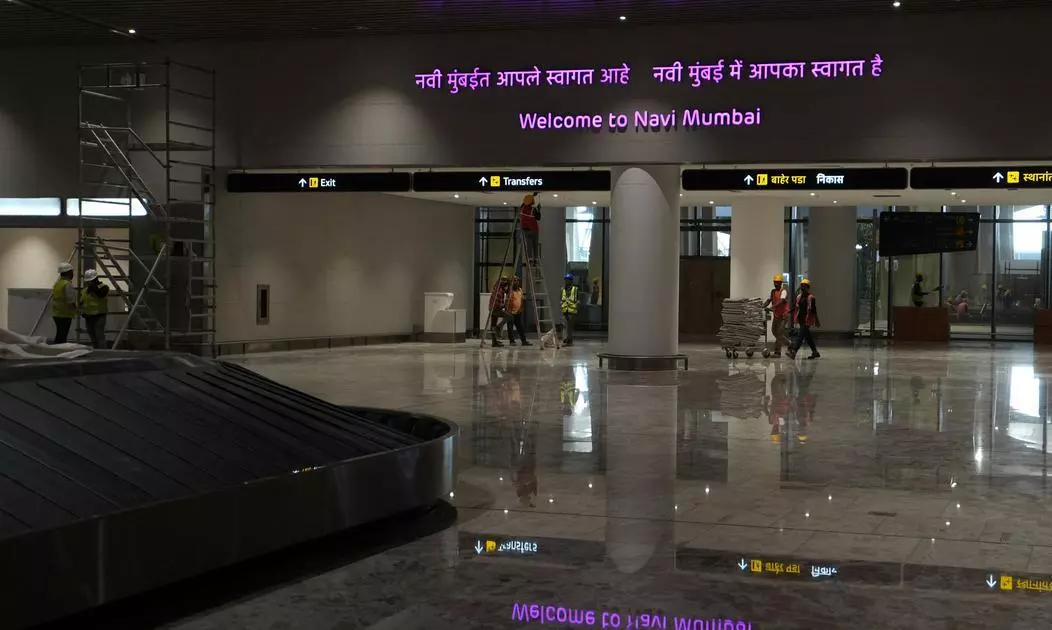

New Delhi: India's leading telecom operators have sought urgent government intervention against the Adani-owned Navi Mumbai International Airport Limited (NMIAL), alleging that the operator is blocking them from installing essential network infrastructure to force a "monopolistic arrangement" at exorbitant costs.
The Cellular Operators Association of India (COAI), representing Reliance Jio, Bharti Airtel, and Vodafone Idea, has written to the Department of Telecommunications (DoT), claiming that NMIAL has denied the necessary "Right of Way" permissions required to provide cellular services to travellers.
In its letter, the COAI alleged that the airport operator is compelling telecom service providers to utilise a network deployed by NMIAL itself, rather than allowing them to install their own equipment. The association described the fees for this service as "extortionary" and "commercially untenable."
According to reports, the airport operator has demanded approximately Rs 92 lakh per month from each operator. This would amount to an annual cost of roughly Rs 44.1 crore for four operators (including the state-run BSNL). The COAI termed these charges "grossly disproportionate," stating they significantly exceed the capital expenditure usually required to deploy an independent in-building solution (IBS) network.
The dispute has already impacted passengers, with images circulating on social media showing display boards at the airport warning that mobile signals for Jio, Airtel, and Vi may be unavailable, advising travellers to use airport Wi-Fi instead.
The COAI argued that under the Telecommunications Act 2023 and the 2024 Right of Way Rules, the airport qualifies as a "public entity" and is statutorily obligated to grant permissions in a "non-discriminatory and time-bound manner." The association stated that NMIAL’s attempt to act as a "neutral host" creates an exclusive arrangement that forecloses competition and undermines consumer choice.
NMIAL has denied the accusations, maintaining that the airport is a sensitive zone. The operator argued that frequent servicing and maintenance of infrastructure are best managed centrally to ensure safety and uninterrupted connectivity, justifying its decision to opt for an independent IBS network.