












SC says persons excluded in Bengal SIR entitled to welfare benefits
text_fields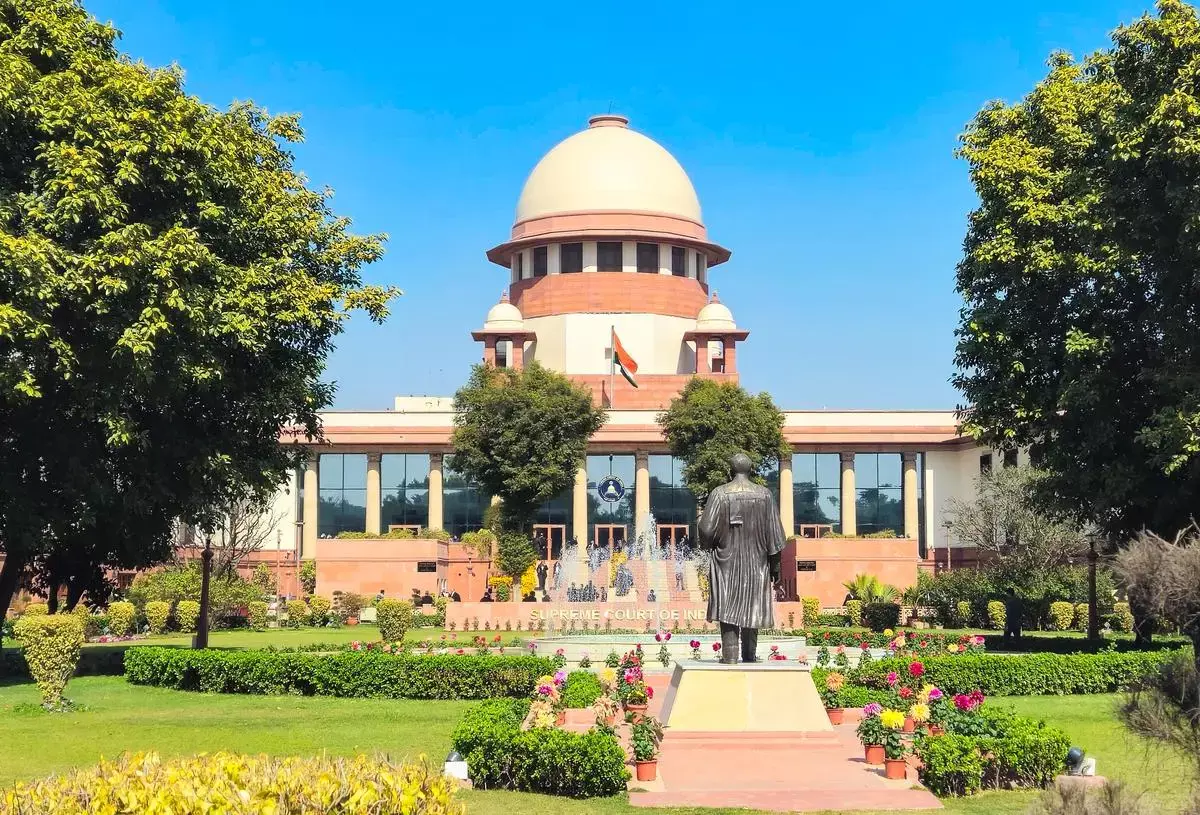

New Delhi: The Supreme Court on Wednesday observed that persons whose names were removed from the electoral rolls following West Bengal's Special Intensive Revision (SIR) exercise would still be entitled to certain welfare benefits, including subsidised ration, even as it declined to entertain a petition challenging the suspension of a ration card linked to the revision process.
A Bench headed by Chief Justice Surya Kant directed the petitioner to approach the Calcutta High Court for relief against the state government's June order linking ration benefits to an individual's status under the SIR exercise.
The June order issued by the West Bengal Department of Food and Supplies ties eligibility under the Public Distribution System (PDS) and the state's Annapurna Yojana scheme to a person's classification after the electoral roll revision. It also states that ration cards of persons deleted from the voter list during the SIR process would be marked inactive.
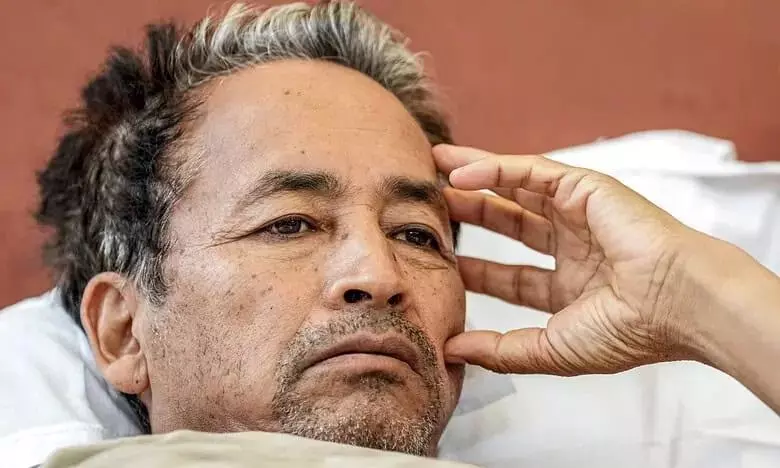
The petitioner, Mohibulla Mondal, had sought restoration of his ration benefits and requested the court to ensure continued supply of subsidised food grains until his appeal against exclusion from the electoral rolls is decided by the appellate tribunal.
During the hearing, Chief Justice Kant orally observed that deletion from the electoral rolls would not automatically deprive a person of certain welfare benefits.
"You are entitled to certain benefits. Go through jurisdictional High Courts, they will grant it," the Chief Justice said.
The Supreme Court also requested the appellate tribunal to decide Mondal's appeal as early as possible, preferably within two months, before disposing of the petition.
West Bengal carried out the Special Intensive Revision of electoral rolls ahead of the Assembly elections held in April.
The final electoral rolls published in February initially excluded more than 61 lakh voters, while nearly 60 lakh "doubtful and pending" cases remained under adjudication through supplementary lists.
By April 6, around 91 lakh voters—nearly 11.9 per cent of the state's electorate before the revision began—had been removed from the electoral rolls.
Ahead of the Assembly elections, about 34 lakh appeals were pending before appellate tribunals, including nearly 27 lakh filed by persons excluded from the voter list. The tribunals have so far restored 1,607 names to the electoral rolls.
Under the state's June order, beneficiaries marked as absent, shifted, duplicate or deceased in the draft electoral rolls published in December become ineligible for benefits under the Public Distribution System. The same applies to those removed through supplementary electoral rolls, as well as unmapped voters excluded after hearings and adjudication.

However, individuals who have filed appeals before the appellate tribunals or submitted applications under the Citizenship Amendment Act (CAA) will continue to receive benefits until the respective processes are completed.
In June, a separate Bench of the Supreme Court had also directed the Paschim Banga Khet Majoor Samity, a farm labourers' union, to approach the Calcutta High Court after it challenged the state's decision to link ration benefits to exclusion from the electoral rolls under the SIR exercise.
The union had argued that the policy could render between 35 lakh and 60 lakh ration cards inactive and contended that linking welfare benefits to the electoral roll revision violated the fundamental rights to equality and life. It also pointed out that the Supreme Court had earlier clarified that exclusion from electoral rolls during the SIR process neither determines a person's economic vulnerability nor their citizenship status.